Abu Mena: Egypt's Lost Pilgrimage City and UNESCO Endangered Site
What Is Abu Mena?
Abu Mena sits an hour southwest of Alexandria, out in the scrubland near Lake Mariout. It's one of Egypt's handful of UNESCO World Heritage sites, and one of the few on the danger list. Tourists almost never mention it.
Pilgrims knew it well, though. From the 4th to the 7th century, this was a major stop on the Christian pilgrimage map. People traveled from France and Germany to see the tomb of Saint Menas, an Egyptian soldier-saint, and little clay flasks pressed with his image have been turning up in archaeological digs all over Europe for years.
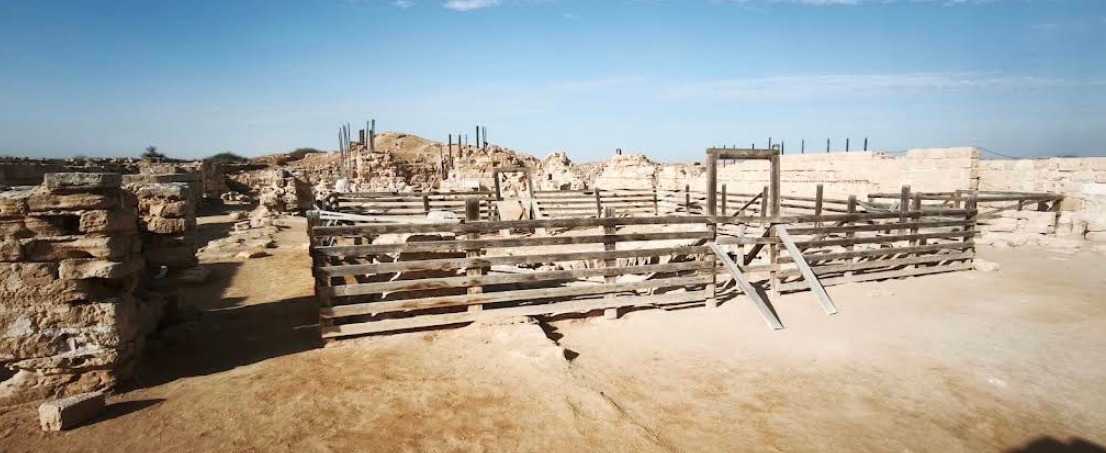
The ancient city itself is mostly off-limits now. The ground under it is giving way. So the visit ends up being an odd experience: you come to a world heritage site, and most of it stays shut.
Who Was Saint Menas?
Menas was a Roman army officer from Egypt, martyred around 296 AD under Emperor Diocletian for refusing to renounce his Christian faith. He was executed in Phrygia, in modern Turkey. According to the legend, his remains were being transported back to Egypt by camel, and the animals stopped moving at a quiet spot in the desert near Lake Mariout. The travelers took that as a sign and buried him there.
His reputation grew quickly. Sick people who slept near his tomb reported healing. Pilgrims started arriving, first dozens, then thousands. Menas became one of the most venerated saints of early Christianity, with a following that stretched across the Mediterranean. The famous "Menas flasks," small terracotta bottles stamped with the saint between two camels, were mass-produced here as pilgrimage souvenirs. Archaeologists have dug them up everywhere from Italy to Croatia to France.
For Egyptian Christians, Saint Menas is still one of the biggest saints in the country, with a modern Coptic monastery at the site and churches named after him everywhere.
The Ancient Pilgrimage City
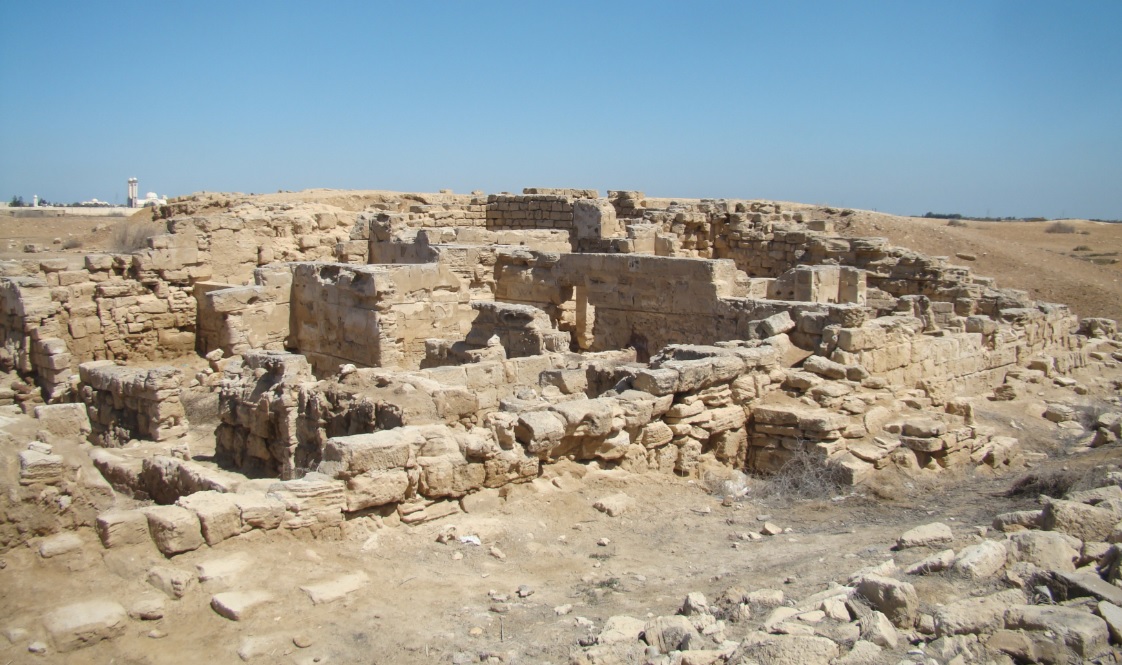
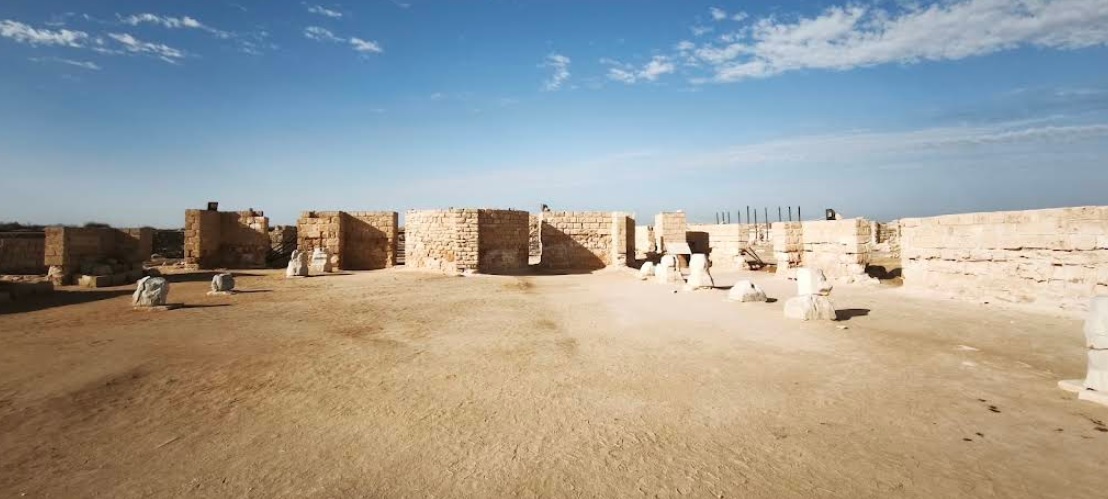
A town grew up here to serve the tomb. Between the 4th and 7th centuries there was an underground basilica built over it, one of the biggest early Christian buildings anywhere in Egypt, then a larger basilica above ground, baths for arriving pilgrims, hostels, houses, streets, wine presses, and kilns. The kilns are where the famous Menas flasks were made, thousands of them, stamped with the saint between two camels.
People came from Gaul, the Balkans, Asia Minor. The Arab conquest of the 7th century ended the flow of pilgrims. The town emptied, and for the next thirteen hundred years nobody paid it much attention, until archaeologists got to it in the early 1900s.
Why It's on UNESCO's Danger List
Water.
Abu Mena was built on clay soil with an underground water pocket below, and farming in the Mariout area raised the water table over the last century. Wet clay doesn't hold weight well. The foundations of the ancient buildings began to give, structures started collapsing, and in 2001 UNESCO put the site on its danger list. The underground basilica and most of the ruins closed to visitors, since walking over them was making things worse.
There have been plans to save it for years. Draining the water, shoring up the structures, conservation studies. Slow progress, and the danger listing still stands. Water keeps eating away at one of Egypt's most important Christian sites.
Visiting Abu Mena Today
The modern Coptic Monastery of Saint Menas, a large active complex with the new cathedral, is open and functioning normally. November is the busiest time, around the saint's feast days, when tens of thousands of Coptic pilgrims come through.
The ancient site is a different story. Whether you can enter the archaeological zone depends on its condition and whatever the antiquities ministry decides locally. Call ahead before planning anything around the ruins.
If the ruins stay shut, the day isn't wasted. You can still walk the monastery grounds, and the desert around the place has a character all of its own, flat and empty in a way that surprised most visitors. Alexandria is about 45 kilometers back, an hour by car on the desert road past Lake Mariout.
What's Nearby?
Lake Mariout: The shallow lake on the southern edge of Alexandria. Fish farms, wetland birds, and it's on your route.
Back to Alexandria: The Bibliotheca, the citadel, the catacombs. All an hour's drive back the way you came.
The desert road west: Keep going in this direction and you'll reach El Alamein, further down the coast.
Is It Worth Visiting?
One day in Alexandria? Then no. It's a long drive and the ruins may well be closed when you arrive. But if early Christianity or Coptic heritage is your reason for traveling, it works, as long as you stay flexible about what you'll actually get to see. The monastery alone is worth the calm hour, and if you do get into the ruins, you're standing where one of early Christianity's great pilgrim cities used to be.
There's also the small matter of logistics. The site needs current local information, phone calls, arrangements, maybe permits, and getting it wrong solo costs you an afternoon. Aten Tours' Alexandria day tours can build Abu Mena into an itinerary with the logistics sorted in advance, monastery, the drive past Mariout, and the Alexandria sites combined, so you're not standing at a locked gate with no plan B.