Alexandria Opera House: Sayed Darwish Theatre and Its Italian Story
What Is the Alexandria Opera House?
Alexandria has had its own opera house since 1918. Locals call it Sayed Darwish Theatre, after the Egyptian composer. The signs out front still say Alexandria Opera House, so you'll see both names used. The location is Ramleh Station square, right in the middle of the historic quarter.
This is where the city goes for classical music, opera, and theatre. If something cultural is happening in Alexandria, it's probably happening here.
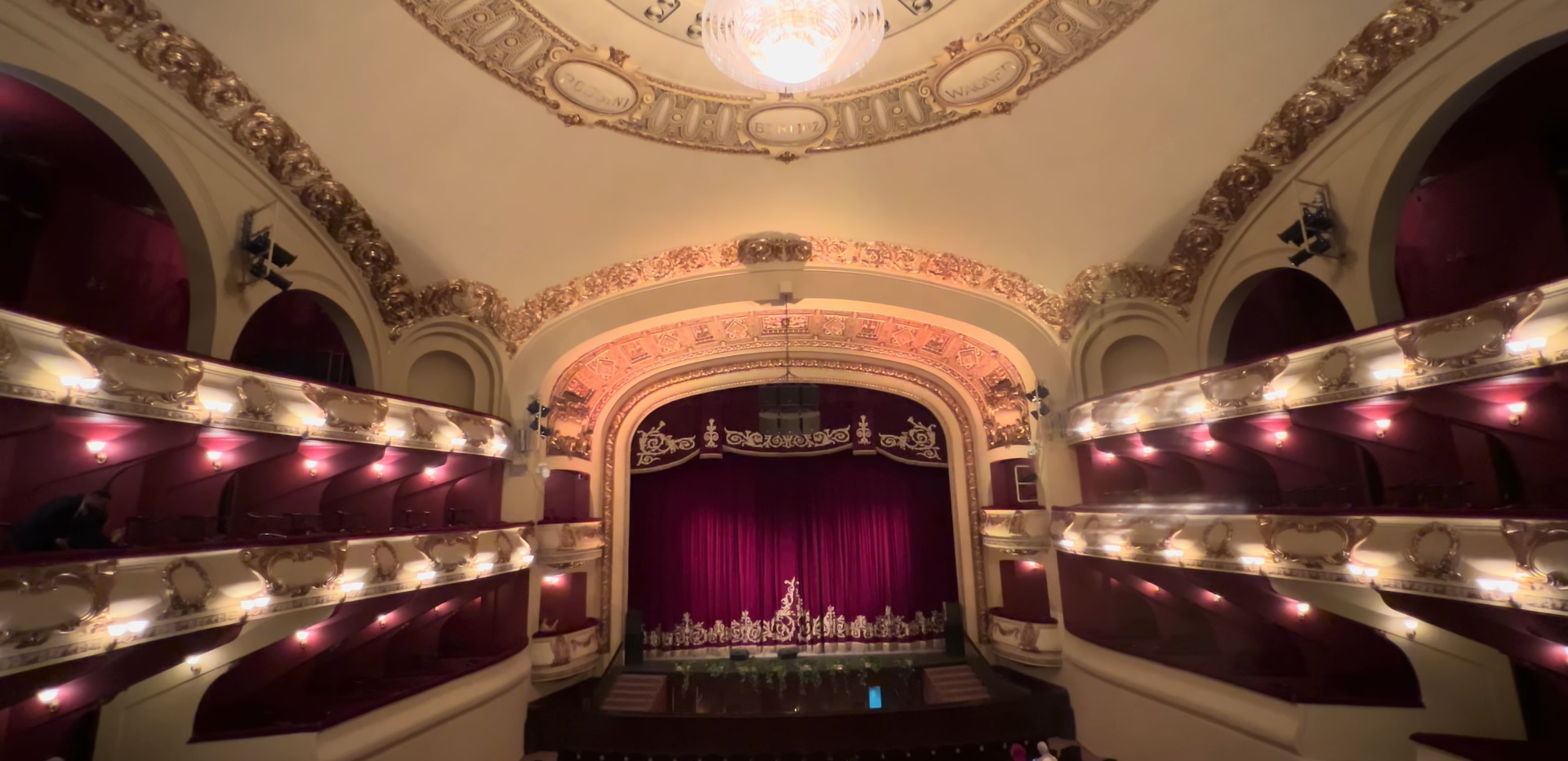
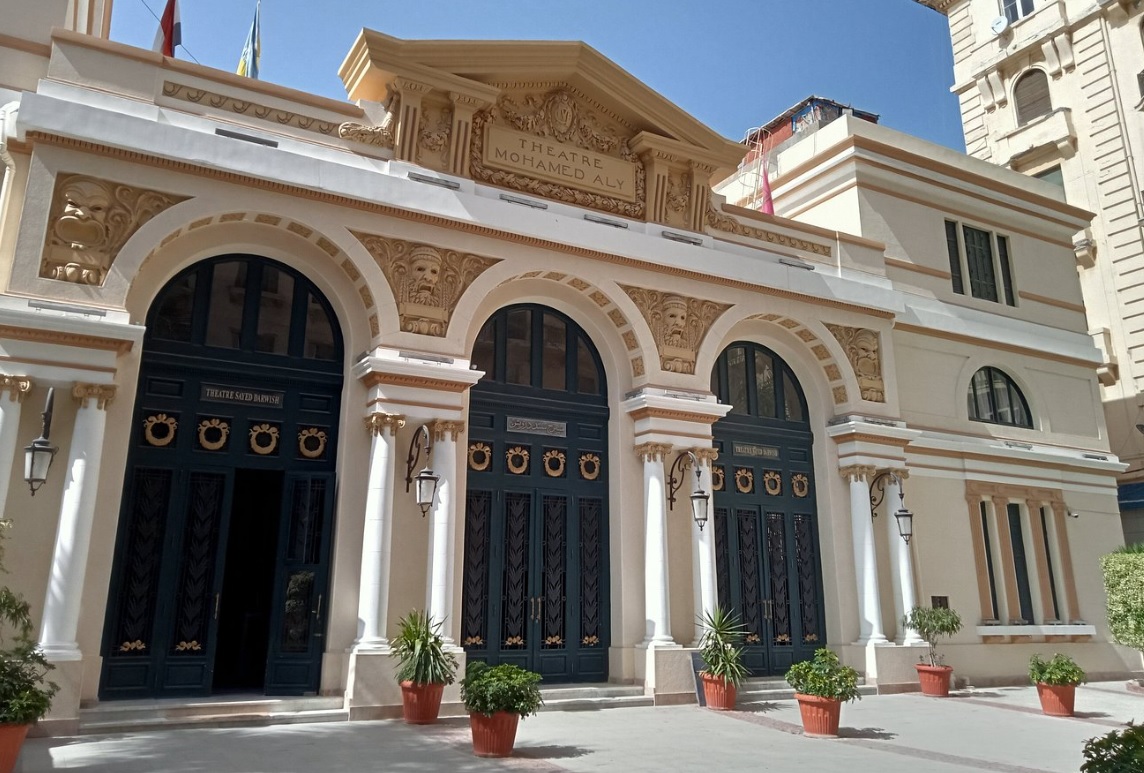
The outside won't tell you much. Stone facade, arched windows, plain entrance, the kind of building you'd walk past a hundred times without going in. Which is a shame, because the auditorium upstairs has tiered seating, gold trim, and a ceiling painted like a European concert hall.
The History: From 1918 to Today
Italian engineers and craftsmen put the theatre up in 1918. Alexandria was rich then, and the money shows. The original name honored Ibrahim Pasha, and for decades this was where the city came for its culture. Opera nights, concerts, plays. The audience mixed Egyptians with the Europeans who lived here at the time.
Sayed Darwish got the building named after him later. He's the composer who basically invented modern Egyptian music, and he died in 1923. Thirty-one years old.
After that the building had a rough run. It aged, closed for years at a time, and people genuinely wondered if it would make it. A full restoration brought it back in the 2000s, and it's been running shows ever since. Almost everyone who built the place is long gone. The theatre isn't.
Architecture and Interior
The Italians really did build the whole thing. Facade, proportions, the arches over the windows, all of it copied from European theatres of the early 1900s. Inside, the auditorium seats a few hundred people across tiers, gilded trim everywhere, red velvet on the seats. And the ceiling. People photograph the ceiling before they photograph the stage.
The acoustics predate electric sound systems, which sounds like a problem until you hear an opera in there. They work fine.
Smaller halls sit off the main one, used for recitals and events. The Arab Music Institute has its offices in the building as well, so Alexandria's musical side stays active even between shows.
Can You Visit? Practicalities
To see the theatre from inside, you attend a show or an event. It doesn't work as a walk-in museum.
The program covers opera, classical concerts, Arab music nights, plays, and the occasional festival. Tickets cost a fraction of European prices. The schedule changes monthly and gets posted online and at the box office.
The theatre sits near Ramleh Station, the central downtown square, a short walk from the Corniche. Evening shows start around 8 PM, so plan dinner around that. Downtown traffic can be slow.
Dress smart-casual. Nothing strict, but beachwear and flip-flops will look out of place.
What's Nearby?
The theatre sits right in the downtown historic belt:
Ramleh Station Square: The central square of downtown, lined with old cafés and crossed by the tram lines that run through the city.
Attarine Souq: Ten minutes on foot. The antiquities market, still going strong after all these years with its brass, coins, and spices.
The Roman Amphitheatre of Kom El Dikka: Fifteen minutes walking. Egypt's only surviving Roman theatre, and the rows of seating are still intact.
The Corniche and the Harbor: Ten minutes reaches the sea, with views running the length of the bay.
Is It Worth Visiting?
If you can catch a show, yes. The building is beautiful, tickets are cheap, and hearing a concert under that painted ceiling beats the usual dinner-then-Corniche evening. If nothing is playing during your dates, treat it as an exterior stop on a downtown walk rather than a destination.
The schedule isn't always tourist-friendly though, and shows lean local. Aten Tours' Alexandria day tours can work around that. Guides who know the current program fit an evening performance into a full day plan, so you get the theatre without wasting a night at an empty box office.