The Lost Tomb of Alexander the Great: Egypt's Greatest Archaeological Mystery
The Tomb No One Has Found
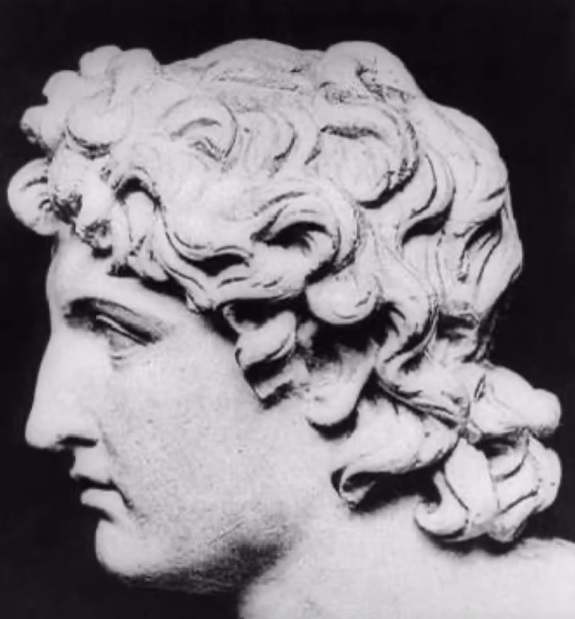
Alexander the Great conquered most of the known world by the age of 30, and then died in Babylon in 323 BC, barely past 32. His body should have gone back to Macedonia, his family's homeland. Instead, it ended up in Alexandria, Egypt, where it was displayed for centuries in a golden coffin inside a grand mausoleum that ancient writers described as one of the wonders of the city.
Then it disappears. The last reliable accounts of anyone seeing the tomb come from late antiquity. After that, 2,300 years of emperors, caliphs, archaeologists, and treasure hunters have failed to find it. The most famous conqueror in history, buried in a city that bears his name, and his grave is one of archaeology's great unsolved mysteries.
This isn't ancient mystery nonsense. The tomb was real. People saw it. The question is where it went.
The Journey of the Body: From Babylon to Alexandria
When Alexander died in Babylon, his generals immediately began fighting over his empire, and over his body. Whoever held the body held legitimacy. His original funeral cortege was heading toward Macedonia when Ptolemy, one of his generals and the future ruler of Egypt, intercepted it in Syria with an army and redirected the procession to Egypt.
Ptolemy knew exactly what he was doing. Alexander in Alexandria meant Alexandria was the true capital of Alexander's world, and Ptolemy's dynasty, the Ptolemies, would rule Egypt for the next three centuries as pharaohs.
The body was placed in the Soma, the great mausoleum in the heart of the palace quarter, first in a gold coffin, later in glass according to some accounts. The Ptolemies ruled beside it. Romans came to see it after them: Julius Caesar visited the tomb and reportedly wept. Augustus visited and, asked if he wanted to see the Ptolemaic kings' graves, famously said he wanted to see the king, not dead men.
Then the record thins. The city suffered earthquakes, fires, invasions. By the time the Arab conquerors arrived in the 7th century, knowledge of the tomb's exact location was already gone.
The Three Main Suspects: Where the Tomb Might Be
Alexandria offers three realistic candidates, and all three have serious supporters.
Under Nabi Daniel Mosque: The most popular theory among Alexandrians. The mosque in downtown stands in the ancient street grid where the palace quarter once was, and tradition has long held that Alexander lies beneath it. Some versions connect the site to the prophet Daniel instead, and the mosque holds both attributions comfortably. Excavations under the mosque have never been possible at any real scale.
The Serapeum area: Near Pompey's Pillar, the great temple complex of Serapis occupied a commanding position in the ancient city. Some scholars have argued that the Soma stood nearby, and fragments of monumental architecture in the area keep the theory alive.
Underwater in the Eastern Harbor: Remember that the royal quarter, including structures adjacent to where the tomb stood, sank beneath the sea after the earthquakes of the early centuries AD. Parts of ancient Alexandria are now several meters underwater, explored by Frank Goddio's teams in the 1990s. If the mausoleum stood near the palace, part of it could be below the harbor today.
Each theory has a hole in it. That's why the tomb is still lost.
The Ancient Witnesses: Who Actually Saw It
The tomb wasn't always a mystery. Ancient writers described it across centuries. Strabo, visiting in the 1st century AD, described the Soma in the palace quarter with the bodies of Alexander and the Ptolemies. Leo Africanus, writing in the 16th century, described a structure he identified as Alexander's tomb near what is now the Nabi Daniel area. In the 7th century, as the Arab armies approached, accounts record that the conquerors asked about Alexander's burial place, and were shown a site the locals still venerated.
The accounts don't agree on everything, and some may describe monuments to Alexander rather than his actual tomb. But the through-line is clear: for well over a thousand years, people knew where the tomb was, visited it, wrote about it. The knowledge was lost, not the tomb itself.
The Failed Searches: 2,300 Years of Looking
The hunt never really stopped. Caliphs, medieval travelers, Napoleonic scholars, and modern archaeologists have all taken shots.
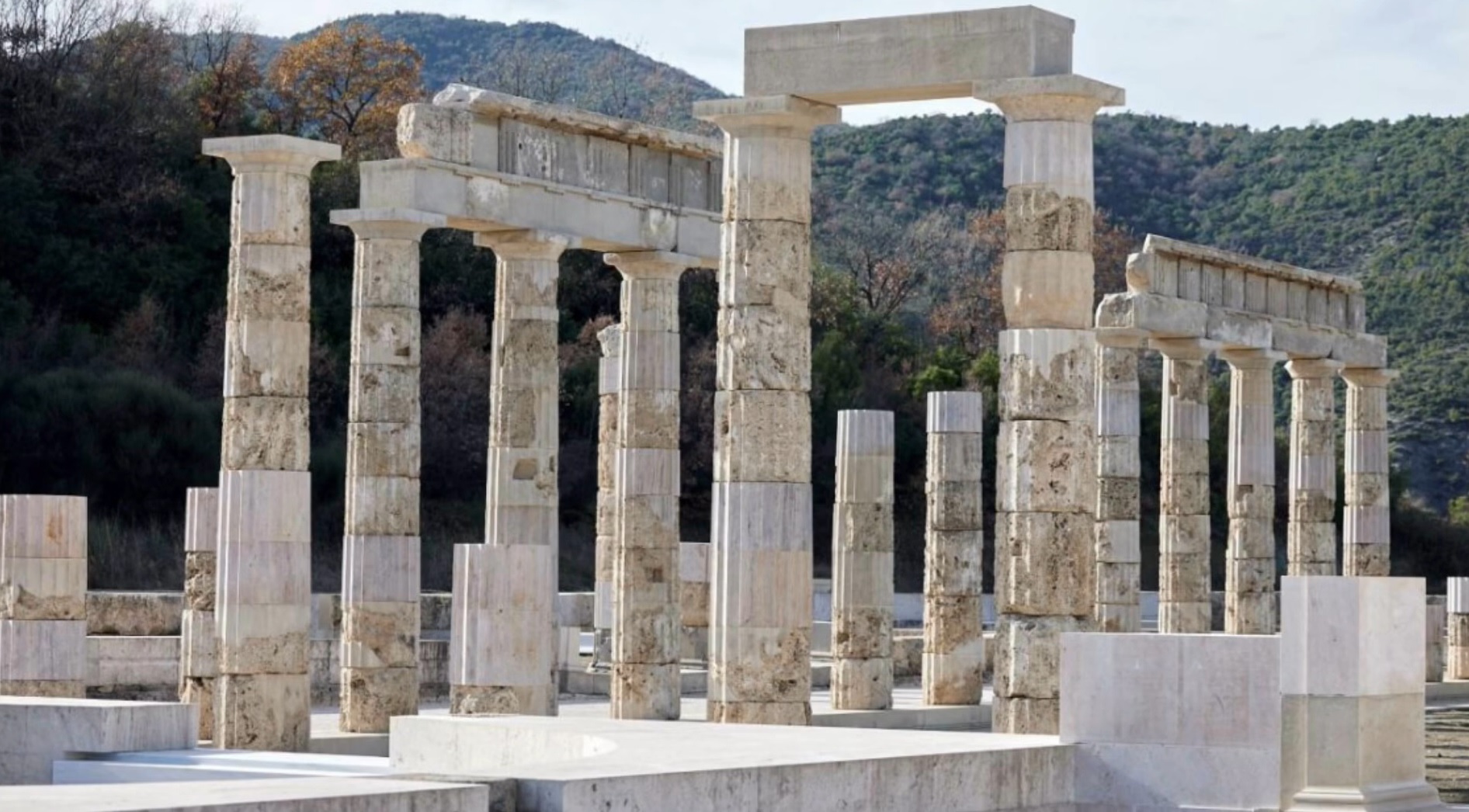
Modern claims surface regularly. Expeditions in the Siwa Oasis, where Alexander was famously proclaimed son of Zeus-Amun, have argued for a tomb there. The massive Kasta Tomb at Amphipolis in Greece, discovered in 2012, excited the world before dating to the wrong era for Alexander. Concrete evidence for none of these.
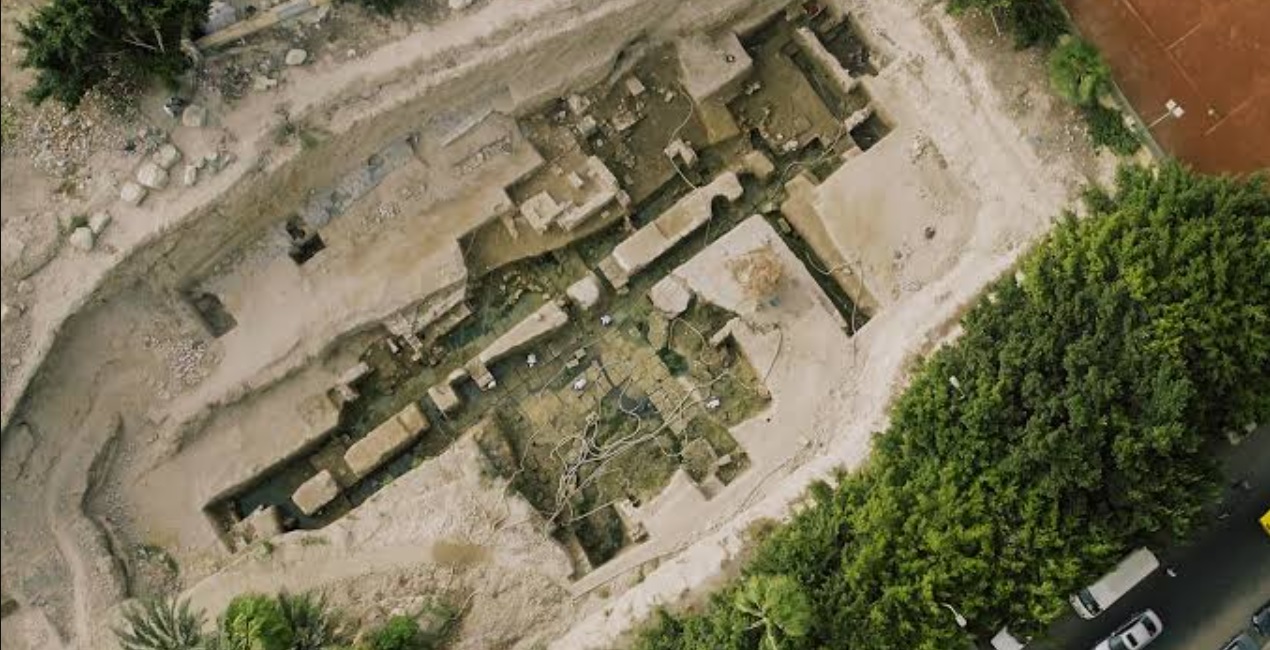
The problem is Alexandria itself. The ancient city lies beneath the modern one, much of it underwater, and the palace quarter sits under dense downtown blocks. Digging under a working mosque in a crowded district isn't a project, it's a fantasy. The tomb may be found someday through a construction accident, the way Shatby was, or it may stay where it is.
Why It Matters: What We'd Learn
Finding the tomb wouldn't just be a headline. Alexander was buried, by some accounts, with treasures from his conquests, possibly including manuscripts and artifacts from across the ancient world. His body itself, if preserved, would be one of the most significant archaeological discoveries in history, the man himself at last, after centuries of statues and coins.
It would also settle questions about the Ptolemaic dynasty, the architecture of the palace quarter, and the early history of Alexandria. The discovery would instantly become a world event.
Is It Worth Chasing the Mystery?
You can't visit the tomb, but you can visit everywhere it might be, and that's a genuinely good day in Alexandria.
The Nabi Daniel Mosque is a working mosque in downtown, a short walk from Attarine. The Serapeum area is the Pompey's Pillar site, open to visitors with the underground galleries still excavated. The underwater angle is covered by the harbor viewpoints at Qaitbay and the story told at the Bibliotheca. A day connecting the three suspects, with the history of the lost body told properly, is one of the better themed days you can build in this city.
That's exactly the kind of route Aten Tours' Alexandria day tours can build: the mystery told on location, mosque, pillar, and harbor viewpoints, so you leave knowing why the world's most famous conqueror has no grave you can visit.