The Naval Unknown Soldier Memorial: The Monument Standing in Alexandria's Harbor
What Is the Naval Unknown Soldier Memorial?
Anyone photographing the Eastern Harbor ends up with this monument in their shots whether they planned to or not. A tall red granite structure rises straight out of the water on a small islet near the harbor entrance, and from the Corniche it looks like it's floating. That's the Naval Unknown Soldier Memorial, Egypt's tribute to sailors who died in service, and one of the most recognizable silhouettes on the Alexandria waterfront.
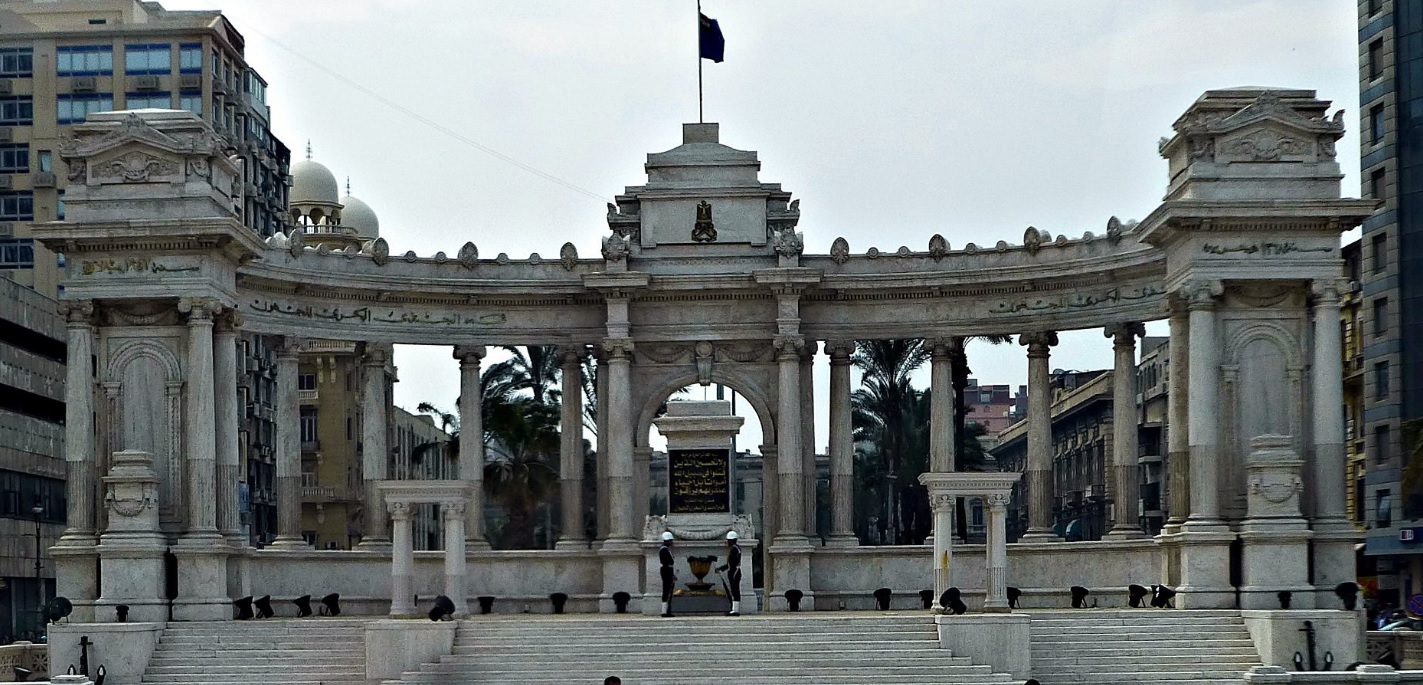
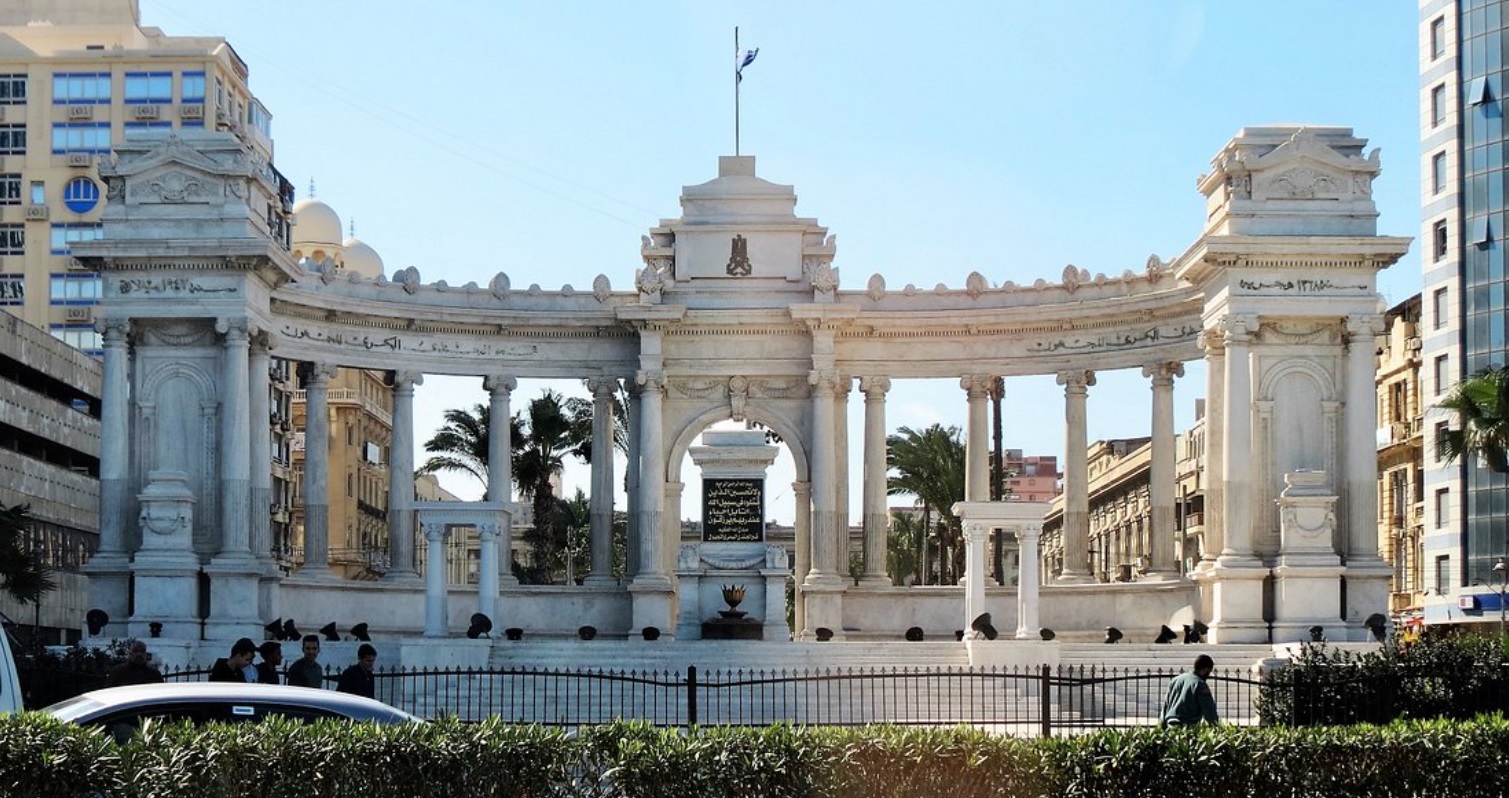
First, clear up the confusion that comes up in every search: Alexandria has two Unknown Soldier memorials. The pyramid-shaped one stands at Montazah, in front of the mosque and palace grounds. This one is the naval version, at the other end of the city, standing in the Eastern Harbor itself next to Ras El Tin Palace. Both honor fallen soldiers. They share nothing else.
What It Commemorates
The memorial honors the Egyptian Navy's dead, sailors lost at sea in the country's wars and operations, alongside the wider tradition of naval sacrifice. Egypt built it during the Nasser era, a period when the navy held a special place in national identity, and the harbor location was deliberate: this is the water the fleet sails from, and the monument watches over the same harbor where naval history was made.
There's something fitting about the choice of site too. Alexandria was a naval city long before it was anything else, from the Ptolemaic fleet to the Ottoman period to the modern Egyptian Navy headquartered here. A memorial to naval dead floating in this particular harbor lands where the story actually happened.
The Design: Aswan Granite Over Water
The memorial is a tall obelisk-like shaft of red Aswan granite, the same stone Egypt used for its ancient monuments, now marking a modern one. The granite sits on a concrete base that rises from the islet, and the whole structure leans into the classic Egyptian form: simple, massive, pointed at the top.
The red color against the blue-gray of the harbor is what makes it so photogenic. At sunrise the stone almost glows. By evening it turns darker, almost black against the sunset, and at night the monument gets lit, which changes the whole look from the Corniche.
The setting does the rest of the work. Water surrounds the base, boats from the fishing fleet at Anfoushi pass in front of it all day, and the citadel frames it from the east. Few monuments in Egypt get a composition this good built into their location.
Can You Visit It?
No, not up close. The memorial stands on its small islet, and there's no public access to it, no pier, no tour boats running to the base. It's a monument you see, not one you enter.
The honest framing: this is a five-minute stop, not a destination. Its value is visual. You see it from the shore, you understand what it is, you take your photo, and you move on to the citadel or the palace walk next door.
Where to See It: The Best Angles
From Qaitbay Citadel: The classic shot. From the citadel walls, the monument lines up across the harbor with the water and boats between you. Late afternoon light works best here.
From the Ras El Tin sea walk: The palace and the memorial face each other, and the stretch along the palace walls gives you the closest legal viewpoint. Morning light suits this angle.
From the Corniche curve: The road bends around the eastern side of the harbor, and there are spots where the monument, the water, and the city behind it stack into one frame.
From a boat: If you take one of the fishing boats out at Anfoushi or near the citadel, the harbor loop passes close by, and the view from the water is the only angle where the monument truly stands alone against the sky.
Is It Worth Seeing?
As a stop on its own, no. As part of a walk that already includes Qaitbay Citadel and the Ras El Tin stretch, absolutely, because it costs you nothing and it's the waterfront's most photographed feature after the citadel itself.
The practical reality is that most visitors see it while doing something else, and that's the right way. If you'd rather have the whole western harbor, citadel, palace walk, monument angles, and the Anfoushi fish lunch, worked into one route, Aten Tours' Alexandria day tours cover exactly that stretch with a guide who can explain the navy history behind the stone.