.jpg "Ancient Egypt and Nubia: How Two Neighbours Shaped Each Other's History")
Ancient Egypt and Nubia: How Two Neighbours Shaped Each Other's History
Ancient Egypt and Nubia lived side by side on the same river for more than three thousand years. Their bond mixed trade, war, marriage and admiration, and it changed both civilisations. To understand the pharaohs properly, you have to look south as well, to a neighbour that started as a rival, became an occupied province and ended up ruling Egypt itself.
Two Lands Along One River
Nubia stretched along the Nile from Aswan, at the First Cataract, deep into what is now northern Sudan. Egyptians called it Ta-Seti, the Land of the Bow, a nod to the skill of its archers. Later, the southern kingdom became known as Kush. The river linked both lands, but the cataracts made travel slow and gave Nubia its own rhythm and identity.
Trade, Gold and Early Contact
Egypt wanted what Nubia had: gold, ivory, ebony, incense, cattle and skilled fighters. Since the Old Kingdom, caravans and river expeditions went south to bring these goods north. The official Harkhuf, whose tomb lies near Aswan, recorded several such journeys in the reign of Pepi II, around 2200 BCE. Many scholars link the word Nubia to the Egyptian word for gold, which shows how central the metal was.
Nubia was never simply a supplier. Around 2500 BCE, the Kerma culture rose near the Third Cataract and grew into a wealthy kingdom with monumental mud brick temples, called deffufas, and rich royal burials. During Egypt's Second Intermediate Period, Kerma was strong enough to threaten Egyptian territory, and it dealt with the Hyksos rulers of the north.
Conquest and Colonisation
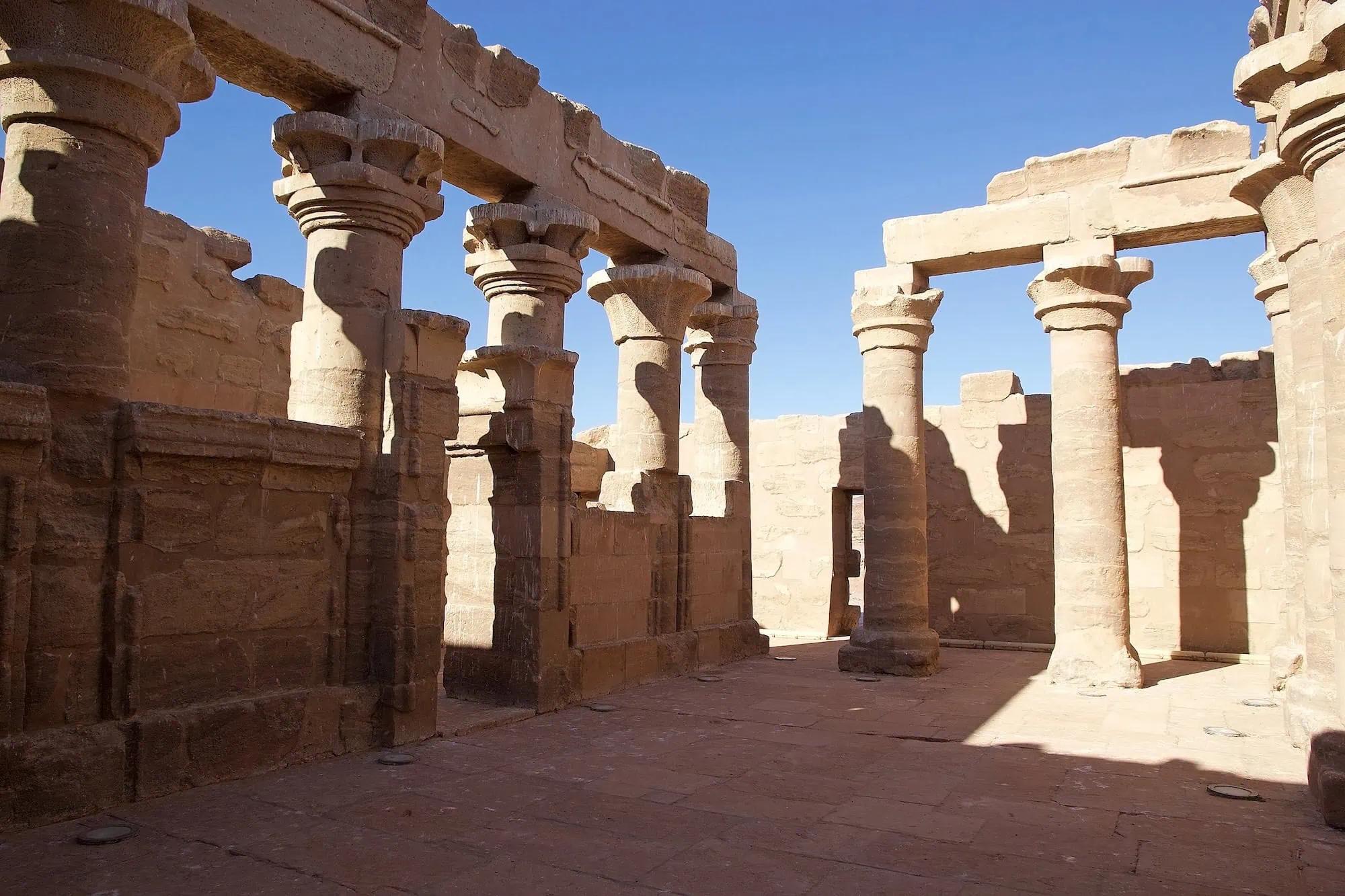
Egypt answered with force and fortresses. Senusret III built a chain of massive forts, including Buhen and Semna, to control the river and the gold routes. In the New Kingdom, Thutmose I and Thutmose III pushed the frontier as far as Napata, and Nubia came under an Egyptian viceroy, known as the King's Son of Kush. Temples at Soleb and Amara show how deeply Egyptian religion and administration took root.
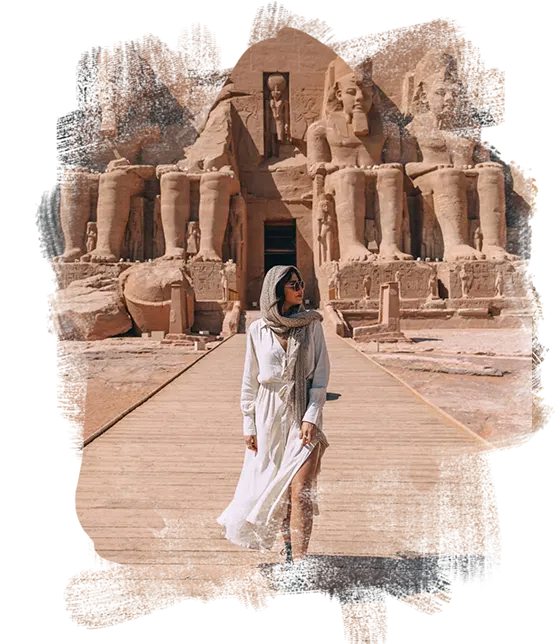
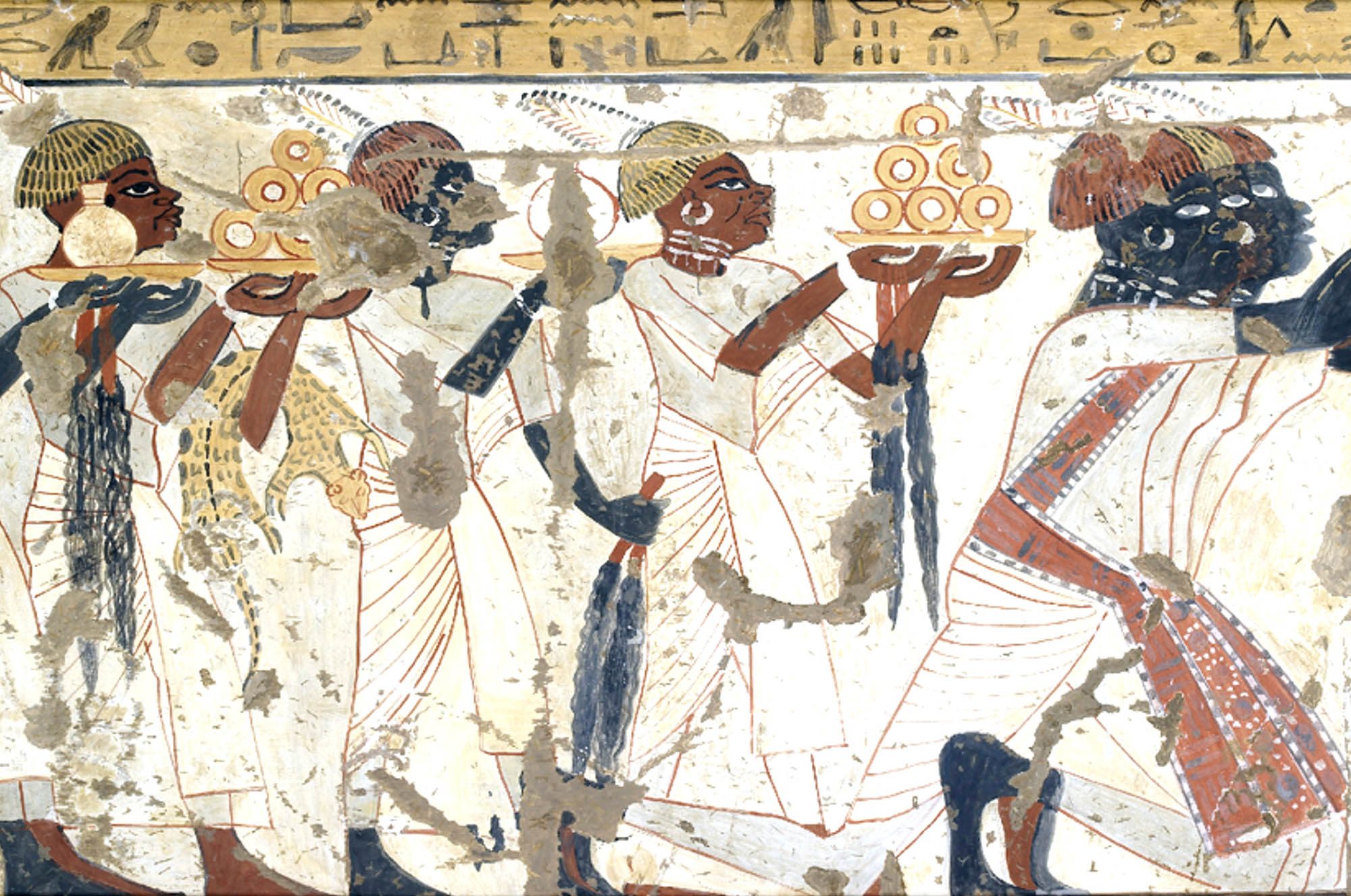
Ramesses II left the most famous message of all. His temples at Abu Simbel, carved into the rock around 1264 BCE, were built at the southern edge of his empire to impress and warn anyone arriving from Nubia. Yet Nubians were not only subjects. They served as soldiers and archers in Egyptian armies, and the Medjay, originally a Nubian people, became a trusted police force in Egypt.
When Kush Ruled Egypt
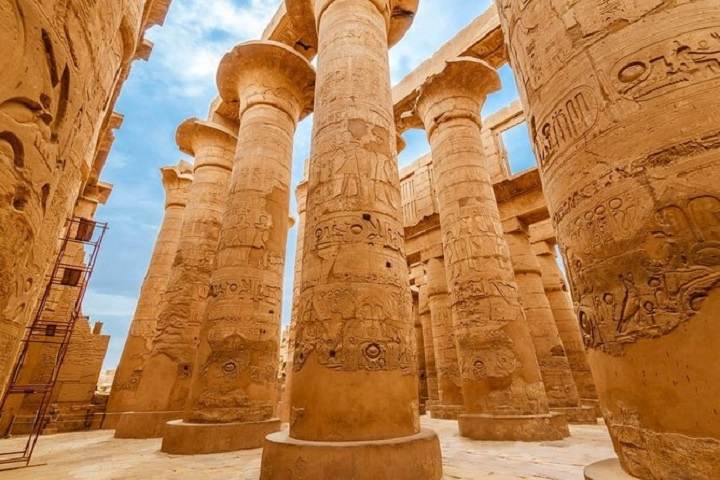
Power flipped in the eighth century BCE. King Piye of Kush marched north around 744 BCE, took control of Egypt and founded the 25th Dynasty, known as the Black Pharaohs. The Kushite kings saw themselves as defenders of Egyptian tradition. They restored temples, honoured Amun and revived pyramid building. Taharqa, the best known of them, left monuments from Karnak to Jebel Barkal. Assyrian invasions ended their rule in Egypt in 663 BCE.
The Kushites did not disappear. They withdrew south and built a new capital at Meroë, where more than 200 pyramids still stand, far more than in Egypt. Meroitic culture blended Egyptian, African and Mediterranean influences and lasted for centuries, with its own script and gods.
Seeing the Story Today
Aswan is the best place to start. The Nubian Museum explains the region's history clearly, and Philae Temple, moved to a higher island in the 1960s, shows how Egyptian and Nubian worship met. Abu Simbel, reached by road or flight from Aswan, was also relocated block by block during the UNESCO rescue campaign that followed the building of the Aswan High Dam. Colourful Nubian villages near Aswan keep the living culture alive through food, music and hospitality. Travellers who continue into Sudan can add Jebel Barkal and Meroë.
A knowledgeable local guide makes a big difference here, because the story is spread across borders, centuries and monuments. A well planned itinerary through Aswan, Abu Simbel and a Nubian village turns scattered ruins into one clear narrative.