Mummification in Ancient Egypt: How the Egyptians Preserved the Dead
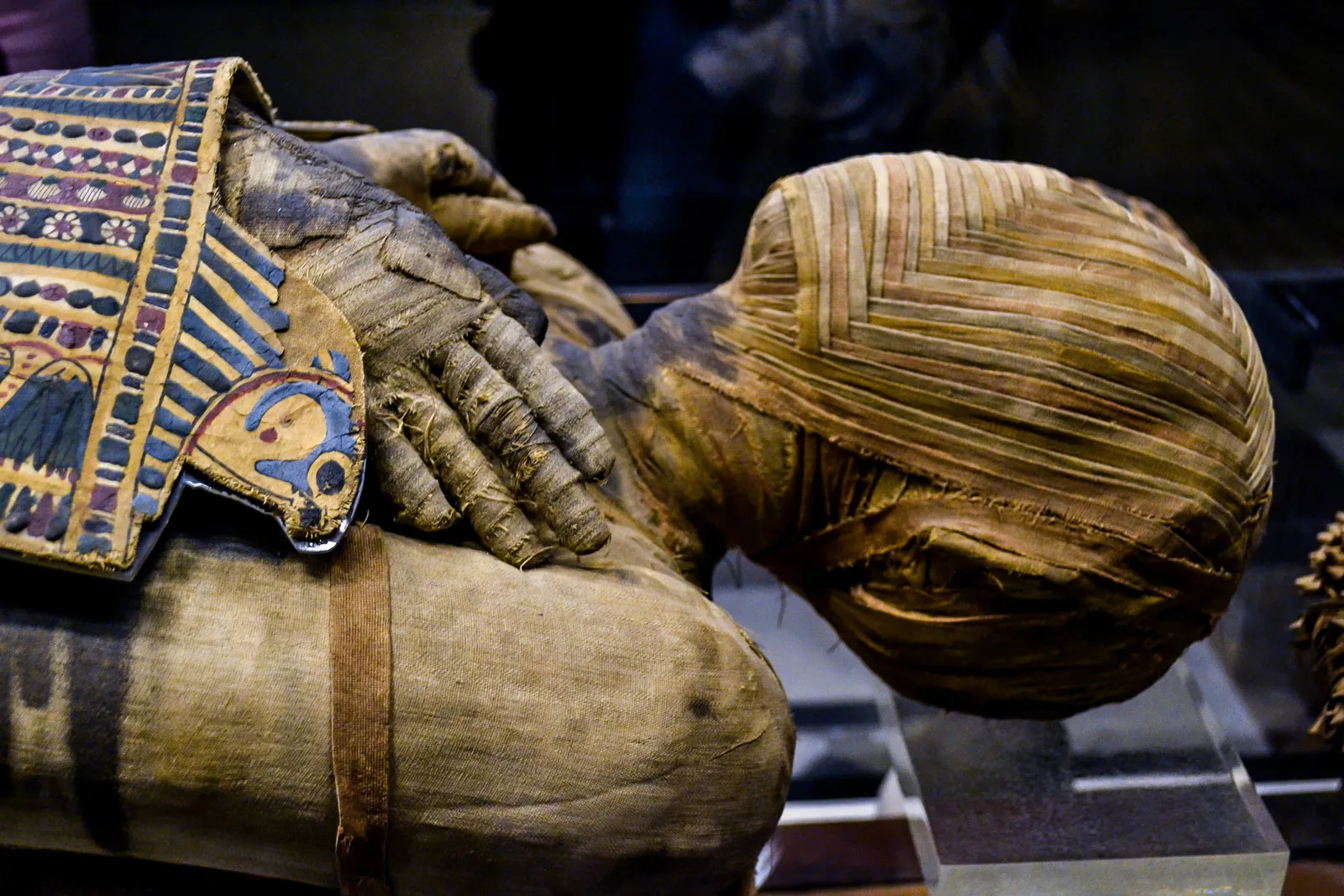
Mummification was the Egyptian answer to one big question: how do you keep a person whole for eternity? For close to three thousand years, embalmers refined a practical craft into a sacred ritual, and the results still lie in museum cases today, some with hair, skin and fingernails intact. This guide explains how the process worked, who could afford it and where in Egypt you can see real mummies.
Why the Egyptians Preserved the Dead
Egyptians believed that the ka and the ba, two parts of a person's spirit, needed a recognisable body to return to after death. Early burials in hot desert sand dried corpses naturally, which probably planted the idea. Once tombs replaced shallow pits, bodies started to decay, so embalmers developed artificial methods to copy what the desert had done for free. Preserving the body was not about vanity. It was the foundation of the afterlife.
The Embalming Process, Step by Step
Removing the Organs
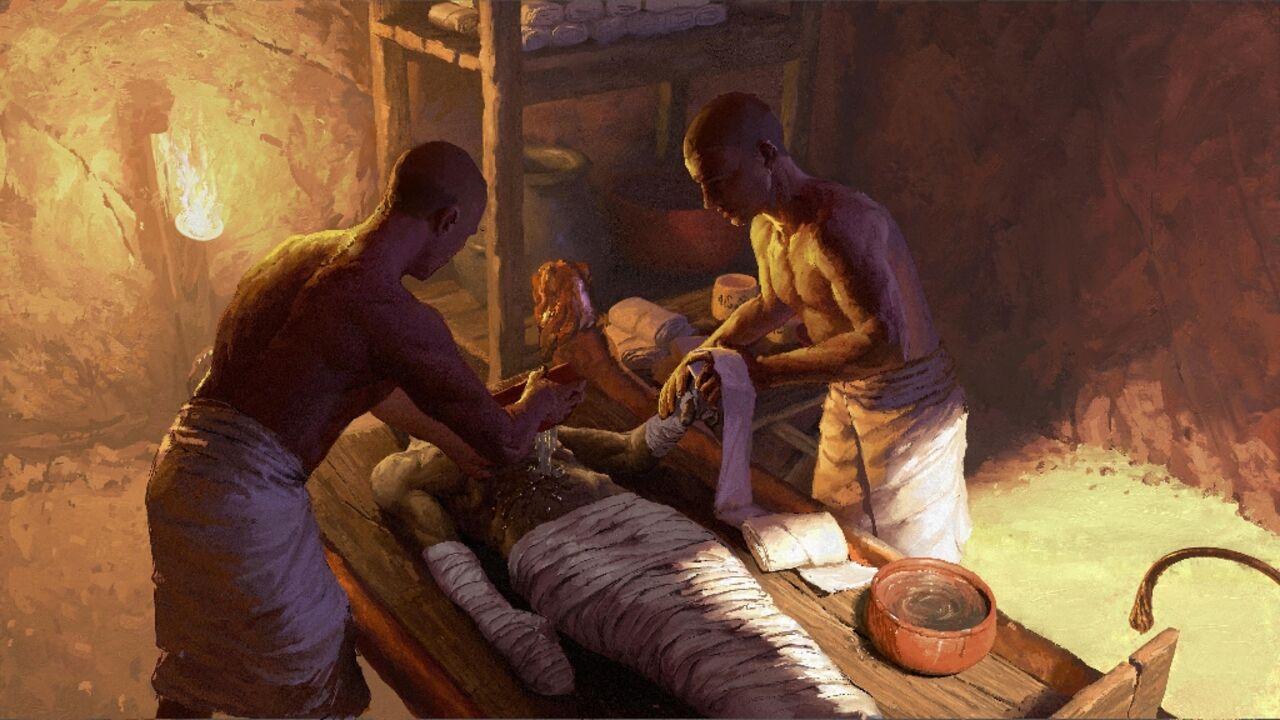
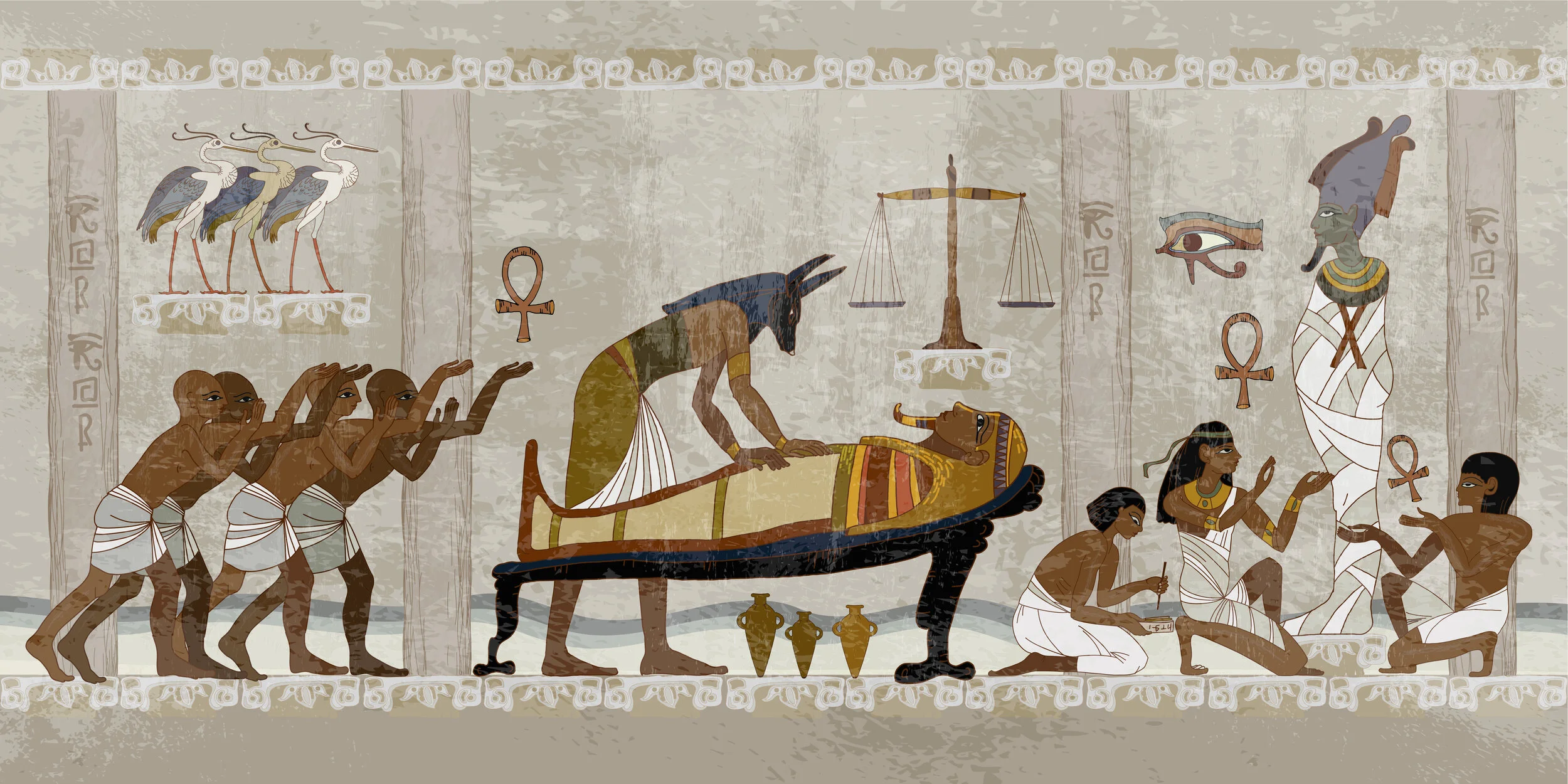
The work took about 70 days and happened in a workshop known as the wabet, or pure place. Priests led the ritual, and one of them wore the jackal mask of Anubis, god of embalming. The brain was pulled out through the nose with a hooked tool and thrown away, since Egyptians saw no use for it. The liver, lungs, stomach and intestines were removed through a cut in the left side, dried and stored in four canopic jars, each guarded by one of the sons of Horus. The heart stayed in the chest, because it was believed to hold intelligence and would be weighed in the afterlife.
Drying with Natron
The empty body was packed and covered in natron, a natural salt from Wadi Natrun, for around 40 days. The salt drew out moisture, the main cause of decay. Embalmers then washed the body, rubbed it with oils, resins and perfumes, and filled it with linen or sawdust to restore a lifelike shape.
Wrapping and Final Rites
Wrapping came last. Hundreds of metres of linen were laid on in layers, with amulets tucked between them and resin brushed on to glue the strips together. The best known amulet is the scarab placed over the heart. Priests recited spells as they worked, and a mask covered the face. A final Opening of the Mouth ceremony was meant to give the dead the power to breathe, eat and speak in the next world.
Who Could Afford Mummification
Not everyone received the full treatment. The Greek historian Herodotus described three levels of embalming, from an expensive version worthy of a god to a cheap one that involved little more than cleansing and salting. Kings, priests and wealthy officials paid for the finest work, while ordinary families made do with simpler methods. Animals were mummified too. Cats, ibises, crocodiles and other sacred creatures were preserved in huge numbers as offerings to the gods.
What Science Reveals Today
CT scans and X rays now let researchers look inside mummies without unwrapping them. The images show broken bones, worn teeth, hardened arteries, arthritis and even hidden amulets, which gives a surprisingly personal picture of daily life along the Nile. These studies also confirm how skilled the embalmers were, as some bodies have survived for more than 3,000 years.
Where to See Mummies in Egypt
In Cairo, the Royal Mummies Hall at the National Museum of Egyptian Civilization displays pharaohs such as Ramesses II in a calm, dimly lit setting. The Egyptian Museum in Tahrir Square holds animal mummies and richly painted coffins. In Luxor, the Mummification Museum on the Nile corniche explains the craft with tools, canopic jars and animal mummies, and Tutankhamun's mummy rests in his tomb in the Valley of the Kings. Photography rules change from site to site, so check them at the entrance.
See It with a Local Expert
Mummies make far more sense when someone explains what to look for. A private Egyptologist guide from Aten Tours can link the museum displays to the tombs and temples where these rituals took place, and plan a route that fits Cairo and Luxor into one trip without wasted time. Contact Aten Tours to plan a tour built around the burial secrets of ancient Egypt.