Alexandria Zoo: What to Expect, Ticket Prices and Whether It's Worth It
What Is Alexandria Zoo?
It's one of the oldest zoos in Egypt, tucked into the Moharram Bek district about halfway between downtown Alexandria and Montaza. The place opened back in the 1920s inside a bigger public garden, and even though it's been renovated and reshuffled a few times over the decades, it still does the same job: a green escape where local families drag their kids on weekends to see animals without leaving the city.
Don't expect Safari World. This is an old-school city zoo—caged enclosures, tree-shaded walkways, snack kiosks, and nobody rushing you anywhere. Foreign visitors rarely put it near the top of their list, and honestly, that's fair. But if you're spending a few days in Alexandria, especially with children, it fills a gap the citadels and museums don't.
The Animals: What You'll Actually See
The collection is bigger than most people expect from a city zoo. The big cats get top billing—lions and tigers in the central enclosures, usually sleeping off the afternoon heat. Elephants, bears, zebras, and a small herd of deer fill out the open paddocks.
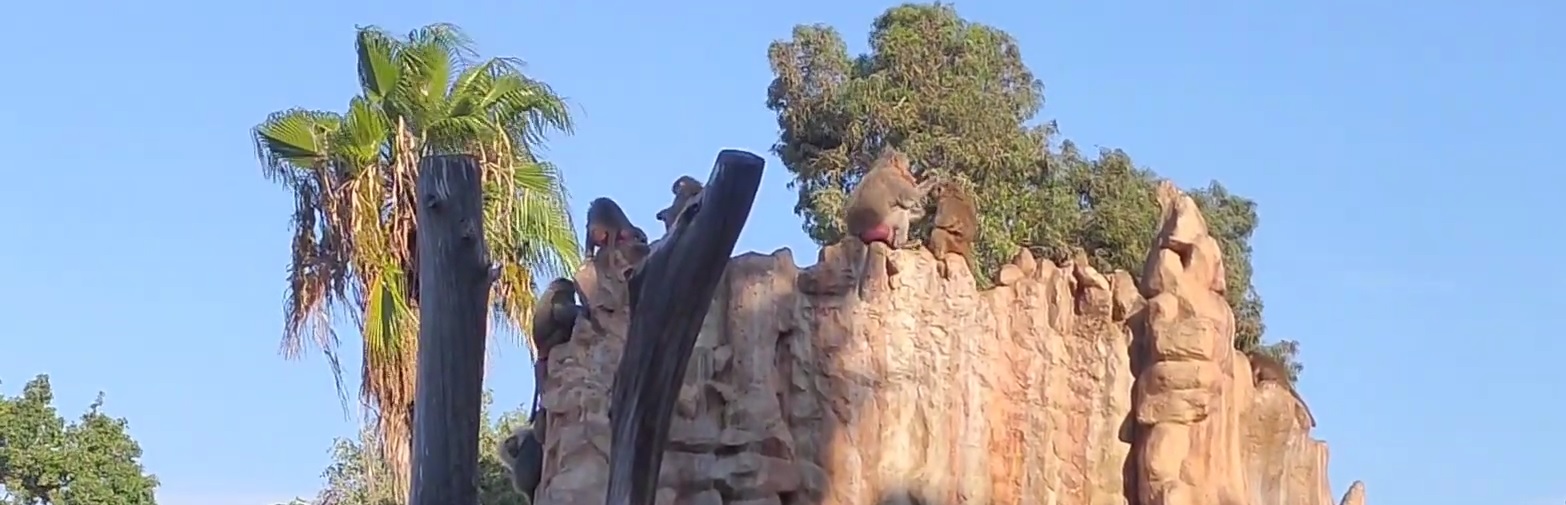
The monkey section is where the action is. Monkeys and baboons never seem to sit still, and they pull the biggest crowds of kids by far. Bird lovers actually eat well here: flamingos, peacocks wandering the paths completely free, parrots, ostriches, and a whole bunch of waterfowl hanging around the small lake. There's a reptile house too—snakes and crocodiles—though it's easy to walk right past without noticing.
One heads-up: not every cage will have something in it. Plenty of Egyptian zoos leave enclosures empty depending on the season and animal transfers, so the lineup can look different each time you visit.
Visiting Practicalities
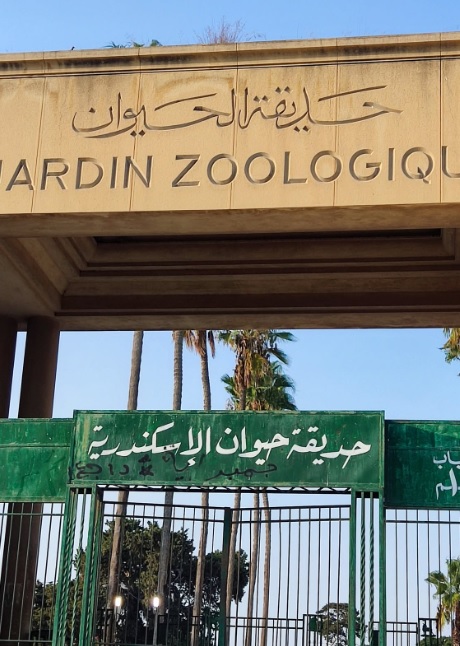
The zoo sits inside the Noor public garden on Moharram Bek's main road. Getting there is easy—a short taxi ride from the city center, and the microbuses running through Moharram Bek drop you practically at the gate.
Hours and Tickets: Doors open around 9 AM and things wind down near sunset. Friday is chaos—that's the local weekend, and every family in the district shows up. Entry costs next to nothing: a few Egyptian pounds for adults, with a small extra charge if you want to bring a camera. Prices drift now and then, so whatever number you find online, treat it as a ballpark and check at the window.
How Long to Spend: Most people see the whole thing in 60 to 90 minutes. Got kids who want to stop at every single cage? Budget half a morning.
Best Time to Go: Mornings win. The animals actually move around before the midday heat sets in, the old trees keep the walk cool, and you miss the weekend crush. Late afternoon works too, but by then half the animals are hiding from the sun.
Who Is It For?
Kids, basically. The whole place is built around them—wide paths for strollers, cheap entry, snacks everywhere, and animals sitting close enough to the fences that little ones actually see them.
Adults traveling without kids? Different call. If you like green spaces, old trees, and watching how Alexandrian families spend their weekends, you'll get a pleasant couple of hours out of it. If you're only in town for the ancient sites, this won't scratch that itch.
What's Good and What's Not
The zoo has real strengths and real limits, and it helps to know both before you show up.
The good: entry costs almost nothing, the mature trees and garden setting are genuinely lovely, and the animal variety holds up well for a city park. The flamingo lake and the peacocks walking around loose are the standout moments.
The not-so-good: some enclosures are dated and tighter than modern animal-welfare standards would like. Maintenance is patchy—one fence gets a fresh coat of paint, the one next to it is rusting. If you're used to European or North American zoos, walk in with adjusted expectations. The zoo works best as a slice of local life inside a historic garden, not as a world-class conservation facility.
What's Nearby?
Moharram Bek puts you between two of Alexandria's main zones, so there's plenty to pair with it.
Montaza Palace and Gardens: A short taxi ride east. After the zoo's modest grounds, the royal gardens feel like a different world—sea views, palace towers, and room to actually stretch your legs.
The Corniche and Downtown: Go west instead and you're back among the classics: the Roman Theatre, the Alexandria National Museum, and the harborfront. Fair warning—traffic through Moharram Bek crawls at rush hour, so time your ride.
Abu Qir: In a seafood mood? The fishing town of Abu Qir sits further east, famous for its waterfront fish restaurants. Locals love it as an after-lunch detour on this side of the city.
Is It Worth Visiting?
Traveling with children: yes, no hesitation. It's cheap, easy to reach, and gives the kids a break from temples and museums.
Adults with limited time: it's a maybe. Go if you have a free morning and enjoy gardens and local life. Skip it if your schedule is already packed with the city's headline attractions.
And if juggling taxis between the zoo, Montaza and the Corniche sounds like a headache, Aten Tours' Alexandria day tours handle the routing with a private guide, so the whole eastern side of the city gets covered in one smooth loop instead of a series of separate trips.