Cavafy Museum: The Alexandria Apartment Where Greece's Greatest Poet Wrote
What Is the Cavafy Museum?
A restored second-floor apartment on a narrow street in the Messallah district—this is where Constantine P. Cavafy, the most celebrated Greek poet of modern times, spent the last 25 years of his life writing. He died here in 1933. The apartment stayed in private hands for decades, then turned into a museum, and it remains one of the Mediterranean's quieter literary stops.
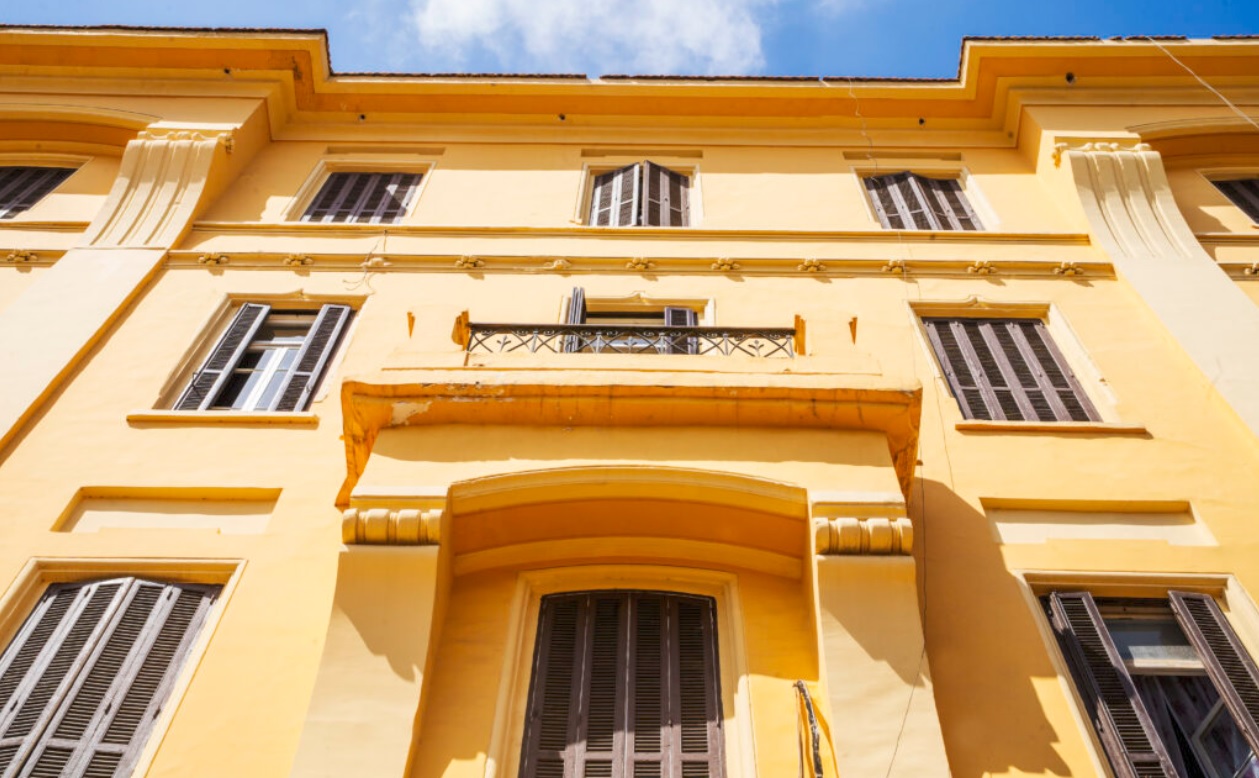
The building itself is unremarkable from the outside. The museum sits on Sharia Sharm El Sheikh (formerly Lepsius Street) in Messallah, a short walk from Attarine Souq and roughly fifteen minutes on foot from the Roman Theatre. The rooms upstairs are what bring people in: the space where a poet who barely ever left the city became one of the most influential voices in modern European literature.
Who Was Constantine Cavafy?
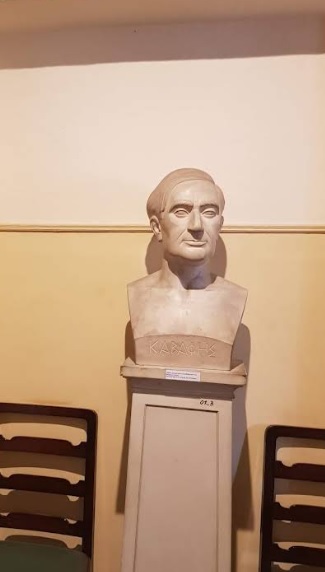
Cavafy was born in Alexandria in 1863 to Greek parents, spent part of his childhood in England, then worked for decades as a civil servant at the Egyptian Ministry of Public Works. He almost never traveled. He wrote poetry instead—short, precise, and instantly his.
His subject matter set him apart. While other poets of his era went after grand themes, Cavafy wrote about memory, desire, aging, history, and the small moments where a life turns. Poems like "Ithaka," "Waiting for the Barbarians," and "The City" are now fixtures of world literature, translated into dozens of languages. He published almost nothing while alive, choosing to print small booklets and hand them to friends instead. Recognition arrived after his death, and the apartment has since become a quiet stop for readers of his poetry.
Inside the Museum
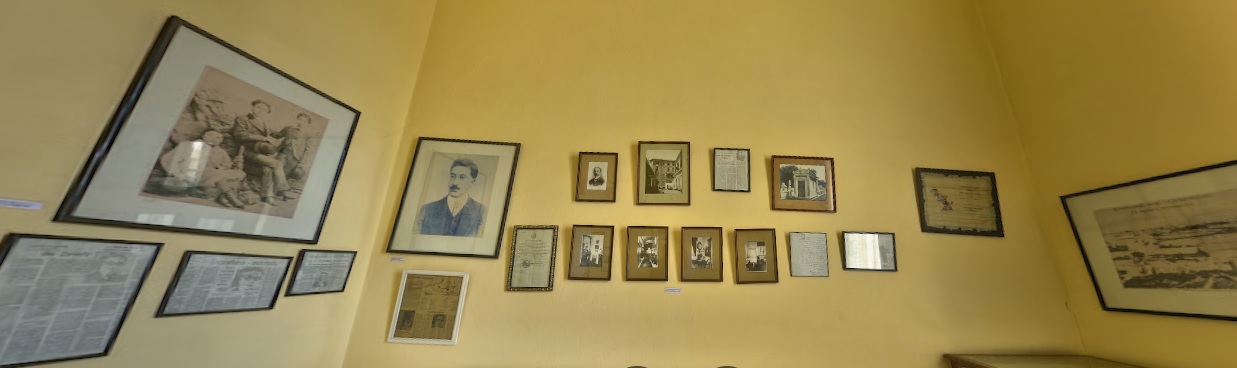
This is a small, intimate museum—not a grand institution, and the rooms match that. Two main rooms plus the space where his bedroom stood. The furniture matches his era: his bed, a chaise lounge, the desk where he worked. Manuscripts, letters, and photographs line the walls, among them the well-known images of the poet in his final years—hat on, expression unreadable.
It's quiet inside. The windows look onto the same street that faced him. Readers of his work tend to linger; other visitors move through in twenty minutes. Both are normal.
Cavafy was one of tens of thousands of Greeks who made Alexandria home—a community of merchants, bankers, and cotton traders that helped build the city's golden age. Like Alexandria's Jewish community, most Greeks left in the decades after the 1950s. The museum partly serves as a monument to that world: one apartment, kept as it was, in a city that doesn't look like the one he knew anymore.
Visiting Practicalities
The museum sits on Sharia Sharm El Sheikh in Messallah, a short walk from Attarine Souq and roughly fifteen minutes on foot from the Roman Theatre.
Hours and Tickets: The opening pattern has changed over the years—the museum has historically run on reduced days, usually mornings, with closures in August. Entry costs a modest fee. Since the schedule has shifted more than once, confirming current hours before going is the safe move, either through the Greek cultural authorities in Alexandria or the hotel concierge.
How Long to Spend: Twenty to thirty minutes covers it. Readers who know the poetry tend to stay closer to an hour.
Best Time: Mid-morning, when the apartment fills with light. The street outside gets busy; inside stays hushed.
What's Nearby?
The museum sits in the downtown historic belt, so it pairs naturally with the classics:
Attarine Souq: Five minutes away. The old antiquities market, still trading brass, coins, and spices.
The Roman Amphitheatre of Kom El Dikka: Fifteen minutes on foot. Egypt's only surviving Roman theatre.
The Eliyahu Hanavi Synagogue: About ten minutes by tax. The restored Jewish monument that tells the parallel story of another vanished community.
The Corniche: About a twenty-minute walk to the sea.
Is It Worth Visiting?
For readers of poetry, the answer is straightforward: this is the room where "Ithaka" was written, and standing in it is an experience no statue or plaque can replicate. For visitors with no connection to the poet, it's a shorter call—a brief, inexpensive stop that adds real texture to the story of old Alexandria, though it won't compete with the Roman Theatre for time on a packed schedule.
The practical angle matters here: hours can be irregular, so the museum fits best into a planned downtown day rather than a spontaneous detour. That's where Aten Tours' Alexandria day tours come in—the guides fold Cavafy's apartment into a route with Attarine, the Roman Theatre, and the synagogue, covering the whole literary-historical side of the city in one loop.