The Coptic Museum in Cairo: What to See, History, and Visiting Tips
_(52087195268).jpg "The Coptic Museum in Cairo: What to See, History, and Visiting Tips")
What Is the Coptic Museum?
The Coptic Museum in Cairo is a museum dedicated entirely to Coptic Christian art and history, located inside the Babylon Fortress, a Roman-era stronghold in Old Cairo. Founded in 1908, it brings together objects gathered from churches, monasteries, and private collections across Egypt, covering roughly the 3rd to the 19th century. The museum is split into two wings, an older wing and a newer wing added later, connected by a garden courtyard. Unlike Cairo's larger pharaonic-era museums, the Coptic Museum focuses on a single, often overlooked chapter of Egyptian history: the centuries when Christianity was the dominant religion in Egypt, before the spread of Islam. Its exhibits show how that period shaped local art, architecture, and daily life—from carved stone fragments taken from early churches to textiles worn by Coptic Christians centuries ago. For visitors already exploring Old Cairo's churches, it adds historical depth that the buildings alone don't provide.
History and Founding
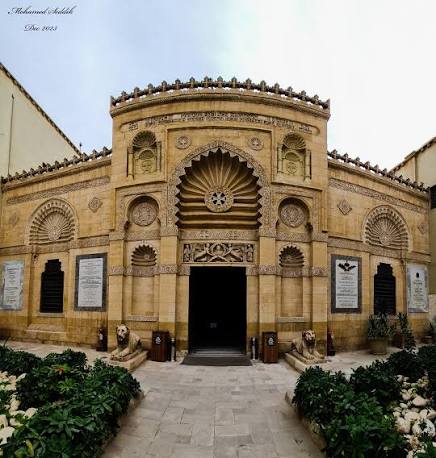
The Coptic Museum was founded in 1908 by Marcus Simaika Pasha, a Coptic Christian civil servant who spent years collecting artifacts that were otherwise at risk of being lost, sold abroad, or left to deteriorate in aging churches and monasteries. At the time, many Coptic-era objects had no dedicated home; pharaonic and Islamic antiquities already had their own museums, but Egypt's Christian heritage did not. Simaika Pasha built the collection specifically to change that. He chose the site deliberately: the museum sits inside the Babylon Fortress, a Roman-era stronghold built around the 1st century AD, in the same district as several of Cairo's oldest churches. The building's facade uses mashrabiya wood screens and courtyard layouts more commonly associated with Islamic architecture, blending visual traditions from across Egypt's religious history in a single design. In 1931, management of the museum passed from a private Coptic patriarchate committee to the Egyptian government, which still oversees it today. A second wing was added later in the 20th century to house the growing collection.
What You'll See Inside
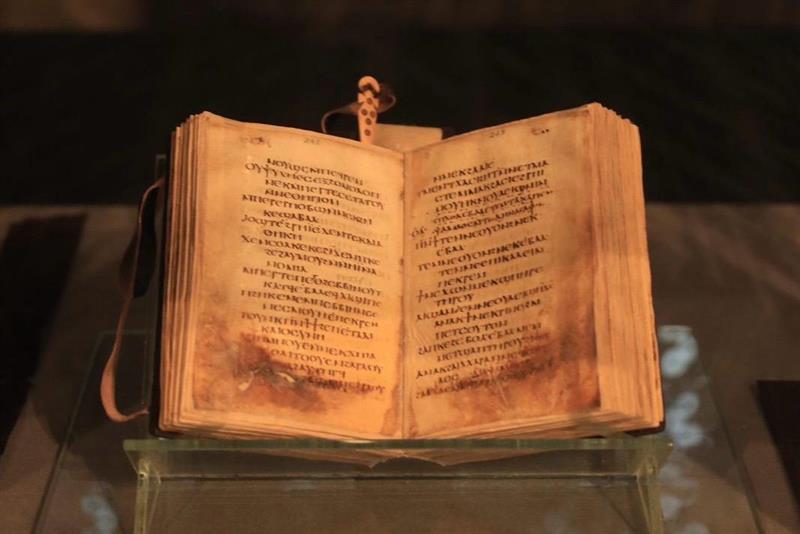
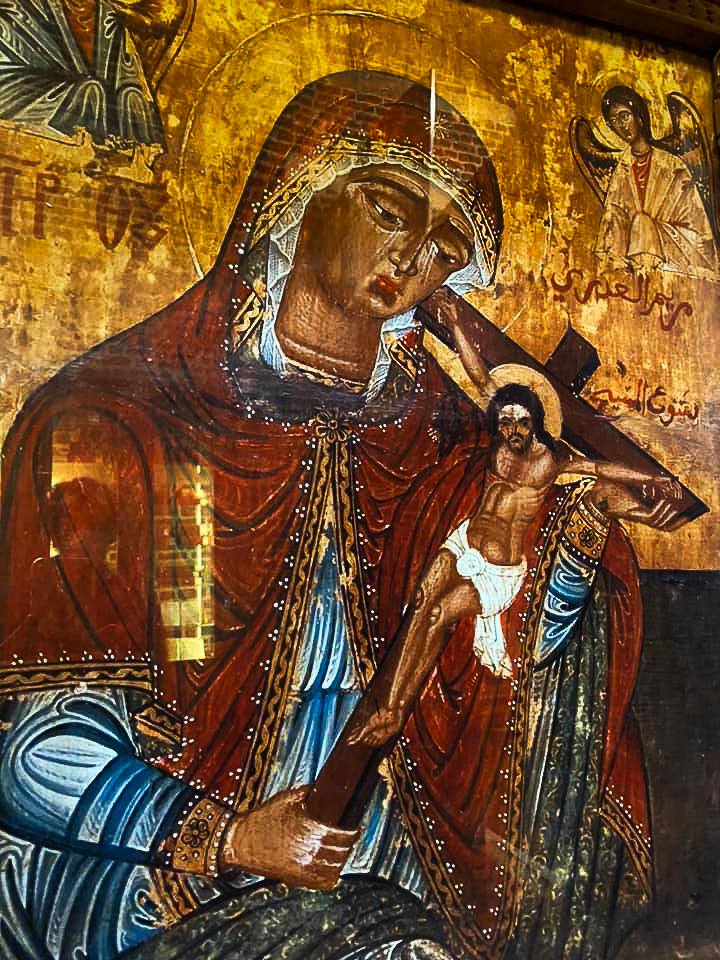
The collection is organized by material and theme, letting visitors focus on whatever interests them most rather than following one fixed timeline. A few highlights stand out for most visitors: Stonework and sculpture—carved architectural fragments, including capitals, niches, and reliefs pulled from early Coptic churches and monasteries. Many blend pharaonic and Greco-Roman decorative motifs with early Christian symbols, showing how Coptic art absorbed older Egyptian visual traditions rather than replacing them outright. Textiles — one of the museum's strongest holdings. Coptic weavers were known for intricate woven and embroidered fabric, often decorated with figures, animals, and geometric patterns, some of which were burial garments recovered from Egyptian cemeteries and preserved by the country's dry climate. Manuscripts—illuminated Bibles, liturgical texts, and fragments written in Coptic, Greek, and Arabic, some dating back over a thousand years. The museum also holds material connected to the Nag Hammadi discovery, a set of early Christian and Gnostic texts found in Upper Egypt in 1945. Icons and religious art—painted wooden icons, frescoes, and liturgical objects used in Coptic churches, ranging from simple devotional pieces to elaborately decorated works from later centuries. Rooms are grouped by wing and section rather than a strict chronological path, so visitors can move at their own pace between periods.
The Museum's Architecture and Gardens
The Coptic Museum's building combines mashrabiya wood lattice screens, domed ceilings, and courtyard layouts drawn from Islamic architectural tradition—an unusual design choice for a museum dedicated to Christian heritage. Between the museum's two wings sits an interior garden planted with palms and shaded seating, separating the older and newer sections of the collection. Parts of the museum, including the older wing, sit directly on and around remains of the Roman-era Babylon Fortress. In places, the fortress's original stone walls are visible as part of the museum's own structure, layering Roman, Coptic, and early Islamic-influenced design within a single site.
Location and How to Get There
The Coptic Museum is located in Old Cairo (also called Coptic Cairo), inside the Babylon Fortress complex, on the east bank of the Nile in southern Cairo. The area sits within walking distance of the Mari Girgis metro station, on the same line that connects to central Cairo and Tahrir Square, making it one of the more straightforward historical sites in the city to reach without a private driver. From central Cairo or Zamalek, the museum is reachable by taxi, ride-hailing app, or a direct metro ride to Mari Girgis followed by a short walk. Taxis and ride-hailing apps are widely available and drop off close to the fortress gates. Because Old Cairo is a pedestrian-friendly district once you arrive, most visitors park or get dropped off once and explore the surrounding sites on foot.
Nearby Sites to Combine With Your Visit
The Coptic Museum sits at the center of Old Cairo's cluster of historic churches, which means most visitors pair it with two or three nearby sites rather than visiting it alone. The Hanging Church (Al-Muallaqa), one of Egypt's oldest churches, is a short walk from the museum. It's built above the gatehouse of the old Roman fortress, which is where its name comes from, and is known for its carved wooden screens and marble pulpit. Abu Serga (the Church of St. Sergius and Bacchus) lies within the same walled area. Tradition holds that the crypt beneath the church sheltered the Holy Family during their flight into Egypt, which makes it one of the more visited churches in the district. Ben Ezra Synagogue is also inside Old Cairo, a few minutes' walk from the museum. It's one of the oldest synagogues in Egypt and is best known for the Cairo Geniza, a large cache of medieval Jewish manuscripts rediscovered there in the late 19th century. Because all of these sites sit inside or beside the same fortress walls, it's possible to see the museum alongside two or three nearby churches without much additional travel time between stops.
Practical Visiting Tips
The Coptic Museum is open daily except for select public holidays, with morning hours generally the quietest time to visit. Arriving earlier in the day means smaller crowds and more space to view the textiles and manuscript displays without waiting. Plan for roughly one to two hours inside the museum itself, more if you want to read through the manuscript and textile sections in detail. Combined with a stop at the Hanging Church and one or two other nearby sites, a visit to Old Cairo can often be done in a half-day. As with most religious and cultural sites in Egypt, modest dress is expected: shoulders and knees covered for both men and women. This applies inside the museum and is common practice at the churches nearby as well. Photography is generally allowed in most areas, though flash photography and tripods are often restricted around older manuscripts and textiles to protect them from light damage.
Visiting the Coptic Museum with a Private Guide
The layered history in Old Cairo — a Roman fortress, several of Egypt's oldest churches, and a museum built specifically to preserve what might otherwise have been lost — can be hard to piece together on a first visit without some background on what you're looking at. Many visitors choose to explore the district with a private Egyptologist guide rather than navigating between sites independently, particularly if they're combining the Coptic Museum with Islamic Cairo landmarks in the same day. Aten Tours' Private Coptic and Islamic Cairo Tour covers the Coptic Museum alongside the Hanging Church, the Citadel of Saladin, the Mohamed Ali Mosque, and Khan El Khalili Bazaar, with private transport and hotel pickup included. It's a practical way to see both the Christian and Islamic layers of Old Cairo's history in a single guided day, without having to plan the logistics of moving between sites yourself. Whether you visit independently or with a guide, the Coptic Museum is one of Cairo's more overlooked stops for anyone interested in the depth of Egypt's history beyond the pyramids.