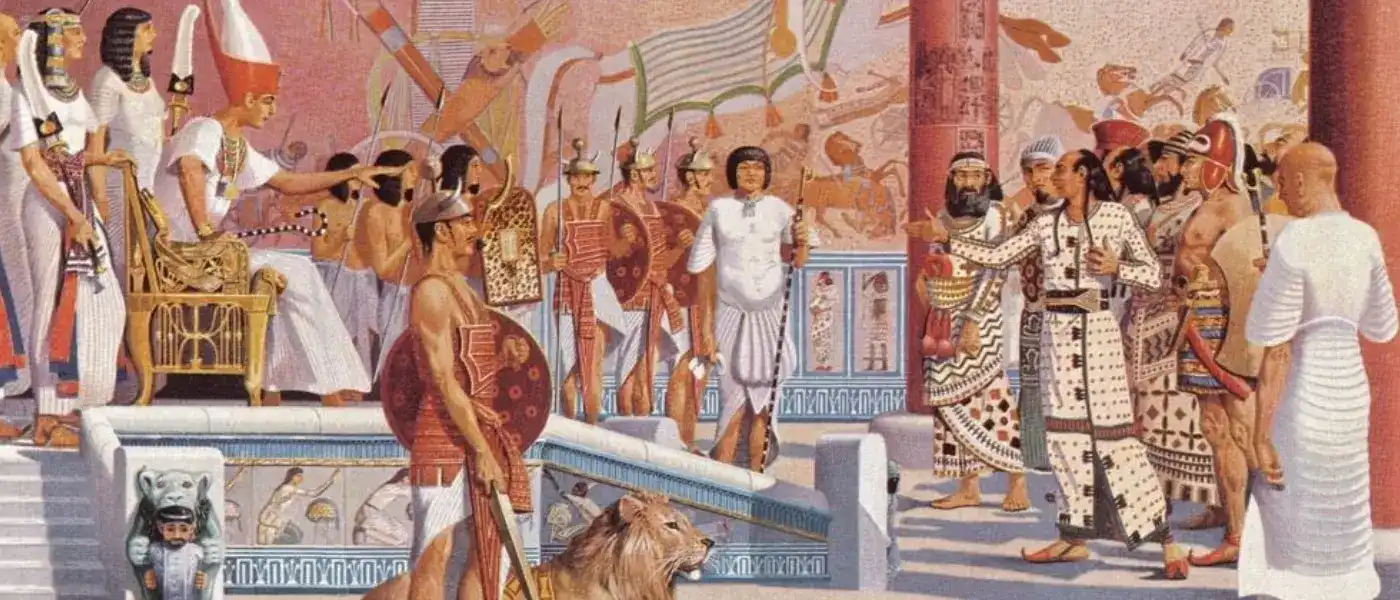
The Middle Kingdom of Egypt: The Golden Age of Art and Stability
Why the Middle Kingdom Was the Golden Age of Ancient Egypt
The Middle Kingdom of Egypt (around 2055–1650 BC) is often described by historians as one of the most important and stable periods in Ancient Egyptian history. After years of political division and instability known as the First Intermediate Period, Egypt was reunited under strong leadership and entered a new era of order, cultural growth, and economic strength.
Today, travelers interested in Egypt travel, Egypt tours, or historical sites such as Luxor often discover that many of the ideas, artistic styles, and traditions seen in ancient monuments were shaped during this period.
Mentuhotep II and the Reunification of Egypt
The Middle Kingdom began with the rise of Mentuhotep II, one of the most important rulers in Ancient Egypt. He is credited with reuniting Upper and Lower Egypt after a long period of political fragmentation.
Before his reign, Egypt was divided into regional powers controlled by local governors. This weakened the authority of the pharaoh and led to internal conflict. Mentuhotep II gradually restored central control, bringing the country back under a single government.
He restructured administration, strengthened national unity, and restored confidence in the role of the pharaoh as the central authority of Egypt. His success marked the beginning of a new period of stability.
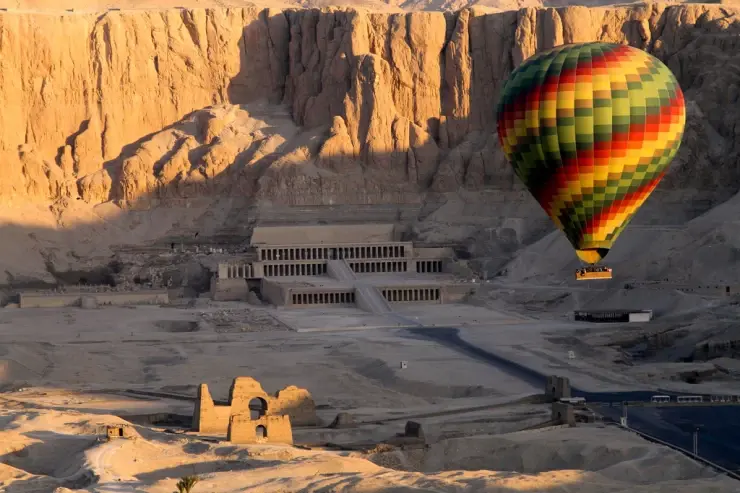
The capital was established in Thebes (modern-day Luxor), which later became one of the most important religious and cultural centers in Ancient Egypt. Many travelers visiting Luxor attractions today are exploring the legacy of this long historical development.
Under his leadership, Egypt became the following:
A unified and stable kingdom
A powerful agricultural society supported by the Nile River
A growing center of trade and regional influence
A civilization known for its art, architecture, and administration
This reunification created the foundation for what many call the Golden Age of Ancient Egypt.
A Golden Age of Art and Literature
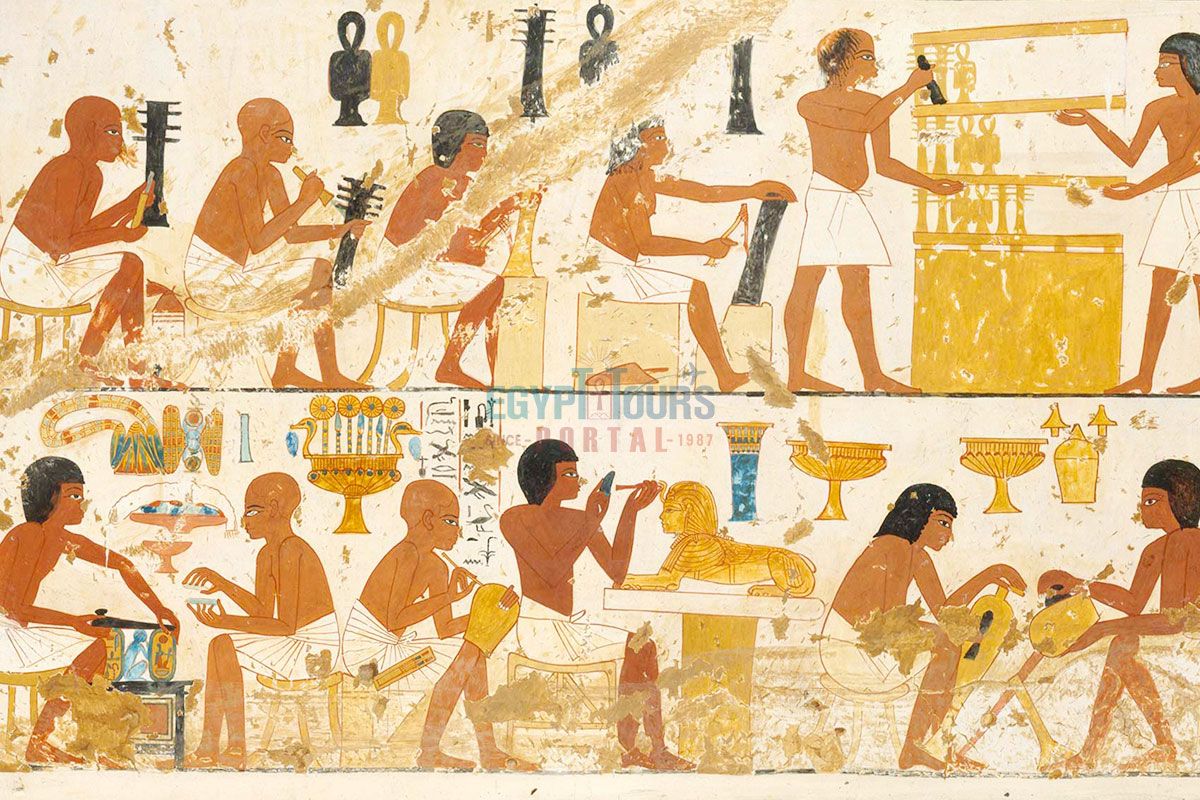
The Middle Kingdom is widely recognized for major developments in Ancient Egyptian art and literature. Unlike earlier periods that focused on idealized royal imagery, artists began creating more realistic and human representations.
Sculptures and carvings from this time often show rulers and officials with natural facial expressions, signs of age, and detailed clothing. This shift gave Egyptian art a more personal and emotional character, reflecting wisdom and experience rather than perfection alone.
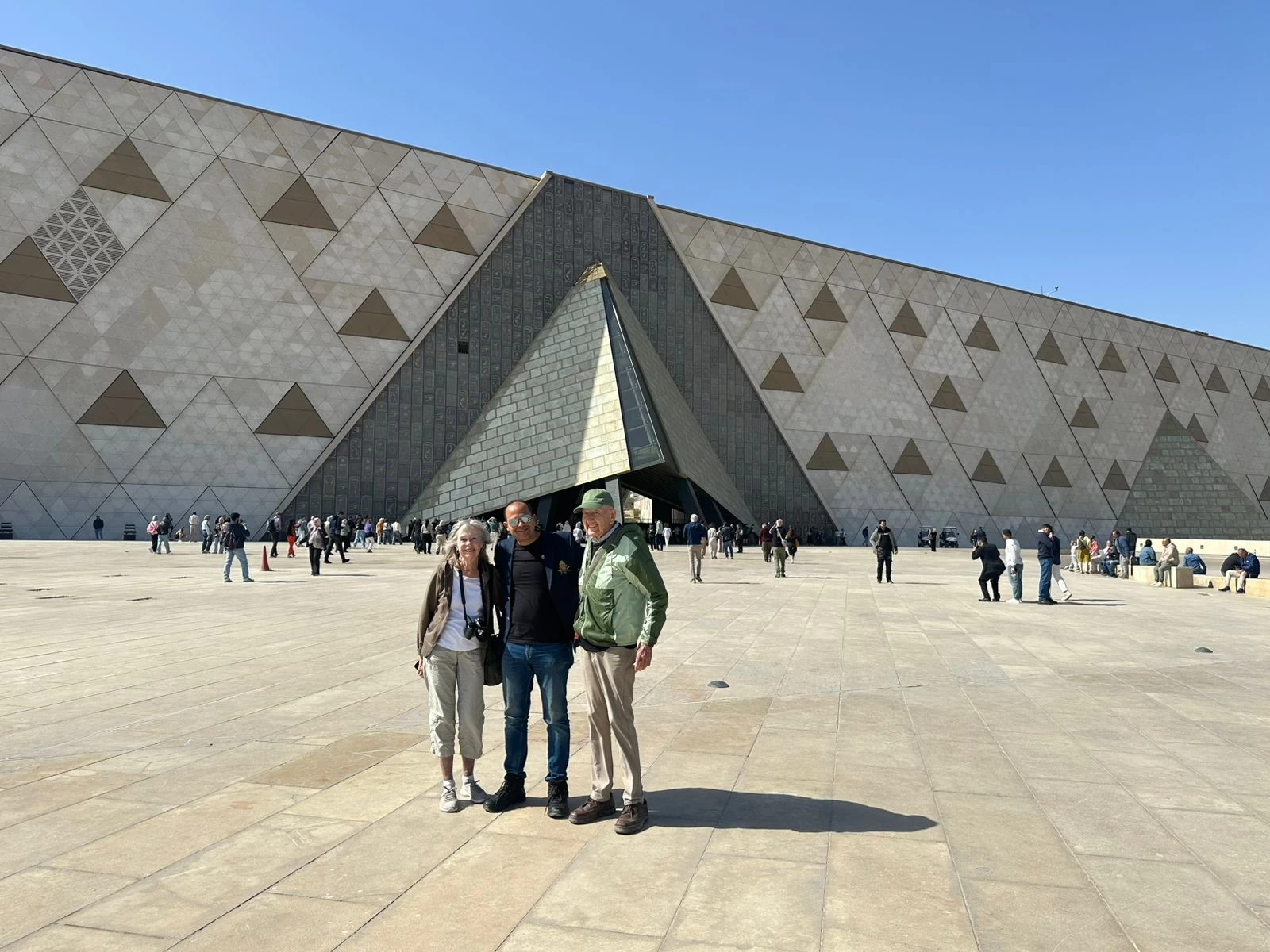
Many of these works can still be seen today in the Egyptian Museum in Cairo, the Grand Egyptian Museum, and archaeological sites across Upper Egypt.
Literature also flourished during this era. Ancient Egyptian writers produced stories, moral teachings, poetry, and religious texts that explored human life, leadership, and justice. These writings are considered some of the earliest examples of complex storytelling in history.
Because of this cultural progress, many historians describe the Middle Kingdom as one of the most intellectually rich periods in ancient Egyptian civilization.
The Nile River and Economic Growth
The Nile River played a central role in the success of the Middle Kingdom. As the main source of agriculture, transport, and trade, it allowed Egypt to remain stable and prosperous.
During this period, improvements in irrigation and farming increased food production and strengthened the economy. The government also expanded infrastructure to support growing cities and agricultural lands.
Trade networks expanded significantly, especially toward Nubia, where Egypt gained access to valuable resources such as the following:
Gold, Ivory, Incense, Ebony, Precious stones, Exotic animal products
To protect these trade routes, fortresses and administrative centers were built along key points of the Nile and southern borders.
Today, visitors interested in Nile cruises in Egypt or Upper Egypt travel experiences can still explore regions that were once vital to this ancient trading system.
Religion and the Coffin Texts
Religion remained central to life in the Middle Kingdom of Egypt, but one of the most important changes during this period was how religious beliefs expanded beyond royalty. In earlier times, ideas about the afterlife were mainly reserved for kings and the elite. During the Middle Kingdom, these beliefs became more accessible to ordinary people.
This shift is most clearly seen in the appearance of the Coffin Texts, a collection of spells and religious writings placed inside coffins to guide the dead through the afterlife. These texts protected individuals on their journey and helped them navigate the challenges of the underworld.
The Coffin Texts later influenced the famous Book of the Dead, one of the most important religious texts in ancient Egyptian religion.
Temple Building and Sacred Traditions
Although many Middle Kingdom temples were later expanded or rebuilt, this period helped shape the development of Ancient Egyptian temples for centuries.
Religious architecture became more structured and symbolic, reflecting the belief that temples were the physical home of the gods on earth. These sacred spaces were used for rituals, offerings, and maintaining harmony between the human and divine worlds.
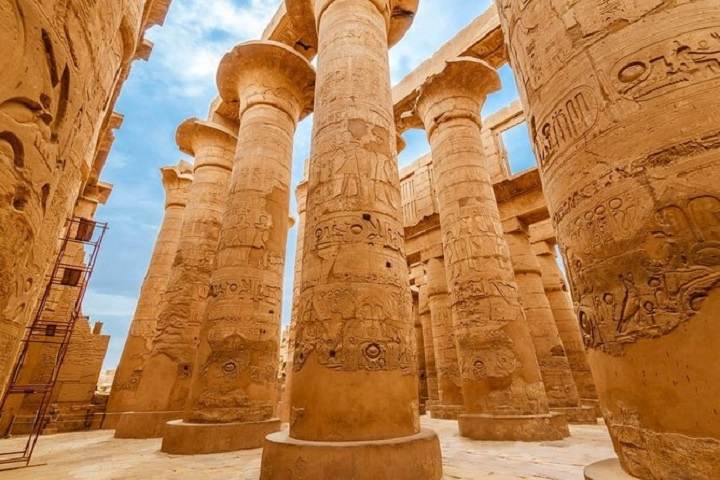
Today, visitors exploring Luxor Temple, Karnak Temple, and other archaeological sites in Egypt can still see elements influenced by traditions that developed during the Middle Kingdom period. For those interested in Egypt's historical sites, this era represents an important step in the evolution of temple design and religious practice.
Famous Middle Kingdom Pharaohs
Several important rulers shaped the success of the Middle Kingdom and left a lasting legacy in Ancient Egyptian history.
Mentuhotep II – Reunified Egypt and began the Middle Kingdom after a period of division
Amenemhat I – Founded the Twelfth Dynasty and strengthened central government
Senusret I – Expanded temples and improved administration
Senusret III – Known for military strength and campaigns in Nubia
Amenemhat III – Oversaw economic prosperity and major construction projects
These rulers helped Egypt become stable, wealthy, and culturally advanced. Many of their monuments and inscriptions can still be studied today in museums and archaeological sites across Egypt.
Where to See the Middle Kingdom in Egypt Today
Travelers interested in Egypt travel or things to do in Egypt can still explore traces of the Middle Kingdom across the country.
Key places include:
Luxor (Ancient Thebes) – once the political center of the Middle Kingdom
Aswan and Nubia – regions linked to trade and military expansion
The Egyptian Museum in Cairo is home to statues, artifacts, and inscriptions
The Grand Egyptian Museum – displaying royal and cultural treasures
Nile River cruises between Luxor and Aswan—passing through ancient trade routes
These locations help visitors understand how deeply the Middle Kingdom shaped the geography, culture, and identity of Ancient Egypt.
Why the Middle Kingdom Is Called Egypt’s Golden Age
Historians refer to the Middle Kingdom as the Golden Age of Ancient Egypt because it combined political stability with cultural and intellectual growth. After years of division, Egypt was reunited and became a strong, organized state once again.
This stability allowed art, literature, religion, and trade to flourish. The period produced some of the most refined artistic styles, influential literary works, and important religious developments in the entire Ancient Egyptian civilization.
Unlike other periods focused mainly on monumental construction, the Middle Kingdom invested heavily in governance, education, and cultural development. This created a balanced society that influenced later dynasties.
Legacy of the Middle Kingdom
The impact of the Middle Kingdom can still be seen today in Egypt’s monuments, museums, and archaeological sites. Its rulers helped define what kingship meant in Ancient Egypt, and its cultural achievements shaped the direction of future civilizations along the Nile.
For anyone exploring Egypt tours, studying ancient history, or planning a visit to Egypt’s historical landmarks, the Middle Kingdom offers an essential understanding of how one of the world’s greatest civilizations reached its peak.
From the temples of Luxor to the museums of Cairo, the legacy of this era remains visible, making it one of the most fascinating and influential chapters in Ancient Egyptian history.