Explore Wadi Mujib Nature Reserve
Wadi Mujib is honestly one of Jordan’s most breathtaking natural sights , and it feels like you get an unforgettable mix of wild scenery, adrenaline type activities, lots of living variety, and those really distinct rock shapes. People often call it the Grand Canyon of Jordan because it runs through tall sandstone walls and then somehow keeps going until it reaches the Dead Sea, so you end up with one of the most amazing nature reserves in the Middle East. If you’re the sort of person who’s after canyoning thrill, or you just love rare wildlife and unusual creatures, or you’re searching for a quieter Jordanian gem, Wadi Mujib kind of delivers an experience that is not easily matched by anywhere else.
It’s located about 90 kilometers south of Amman along the well known Dead Sea Highway, and the Wadi Mujib Nature Reserve covers more than 220 square kilometers. The place also spans big elevation changes, from more than 900 meters above sea level down to almost 400 meters below, right at the Dead Sea shoreline. That altitude swing matters a lot, because it helps create an exceptional habitat where you can still find hundreds of plant types, migratory birds , and rare animals , even though the region is mostly dry.
Internationally, the reserve is known for its ecological value, and now it’s considered one of Jordan’s top ecotourism spots. Travelers come from everywhere to explore tight sandstone canyons, climb around small cascades, swim in streams that look clear like glass, and watch some of the country’s most dramatic natural views. And because the area is managed with serious environmental protection, Wadi Mujib offers adventure while trying to keep the delicate ecosystem safe for the next generation, not just for today. Whether you’re looking for cultural legacy, outdoor adventure or just a quiet escape, our Jordan travel give you unforgettable memories, with knowledgeable guides, comfy lodgings, and smooth travel arrangements. Come and see Roman ruins, biblical places, nature reserves, and that genuine Jordanian hospitality on a trip you won’t really forget. You know it’s one of those journeys where everything fits together, almost too well, and you end up wanting more.
Discover the Natural Beauty and Geological Wonders of Wadi Mujib
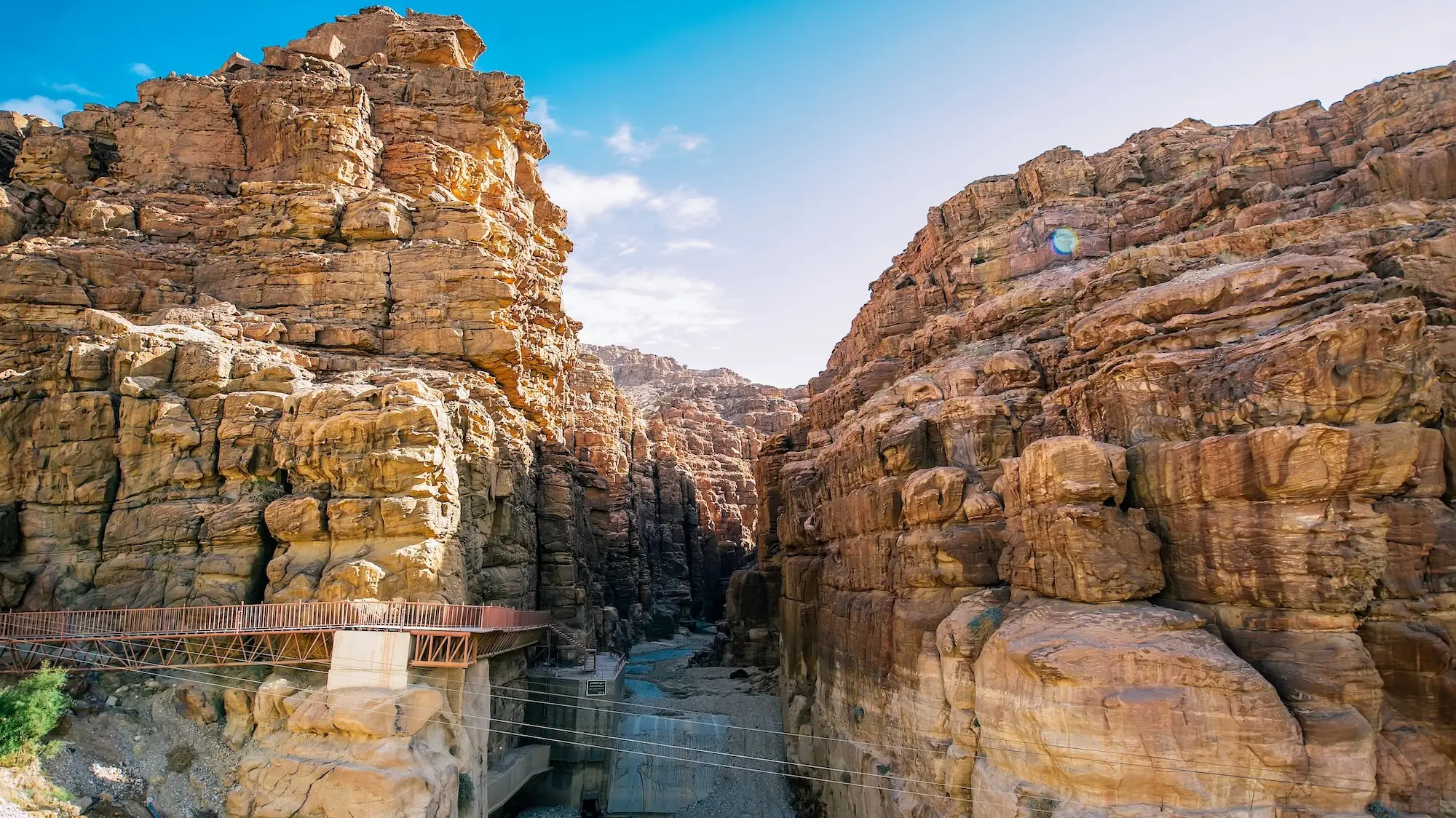
Wadi Mujib is kind of the deepest canyon in Jordan and also one of those really striking geological wonders in the Middle East. For millions of years the moving water kept carving through sandstone and limestone layers, so in the end you get towering cliffs, narrow gorges, waterfalls, and river bends and channels that still sort of reshape everything even now.
The reserve starts in the mountainous areas east of the Dead Sea, and it goes westward until it hits the lowest place on Earth. That big elevation swing has produced a lot of microclimates, which then lets all kinds of plants and wildlife live there. A lot of visitors are genuinely surprised by the swap, like dry desert conditions above, then down inside the canyon you find greener vegetation, almost like a different world.
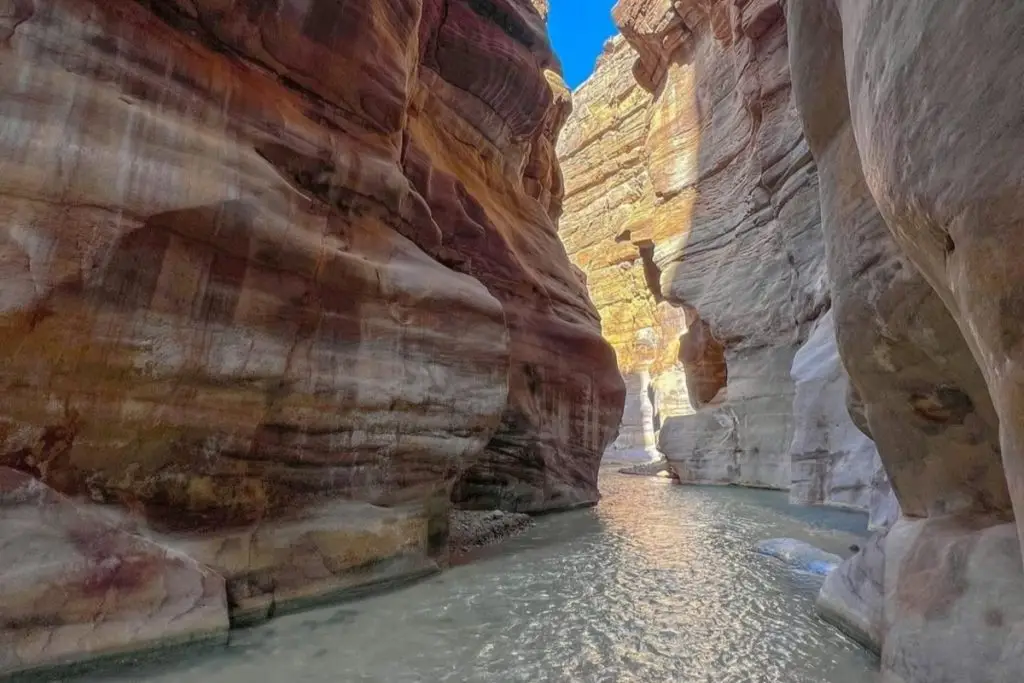
You walk through natural corridors, with canyon walls that rise hundreds of meters , and where the light sneaks in through small openings. Because of that, the sunlight can shift and splash colors across the rock during the whole day. Also there are streams of freshwater that keep running, and that supports countless plant species, turning the reserve into a real oasis inside Jordan’s desert background.
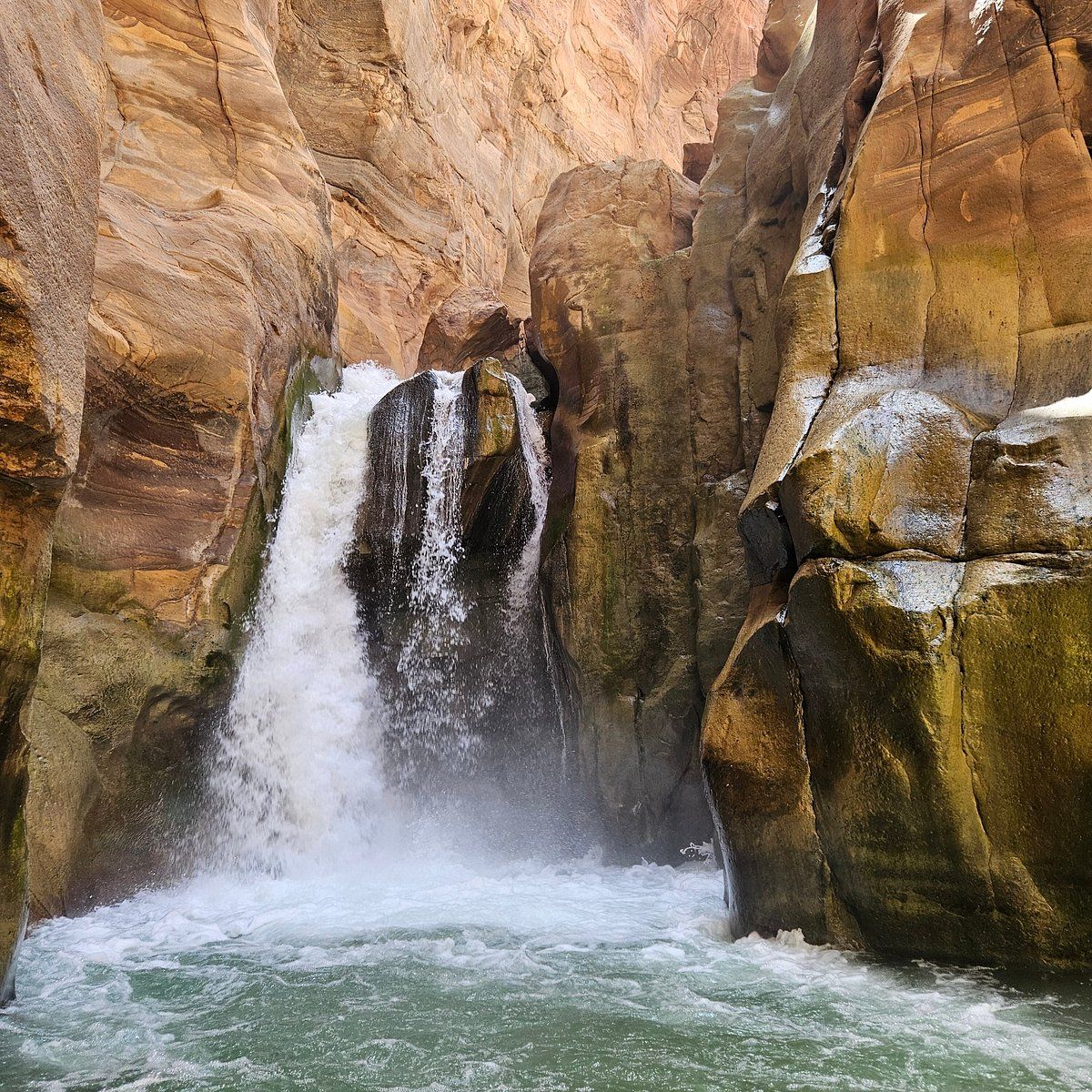
If you like photography, you’ll get plenty of chances, really endless ones, to shoot waterfalls spilling over rough stones, emerald pools that mirror the canyon walls, and sharp cliff formations that make you think about millions of years of geological time. Each turn inside Wadi Mujib shows some new natural detail, so it becomes one of Jordan’s better outdoor spots for cameras and curious eyes.
And the importance of Wadi Mujib isn’t just about looks. Researchers still study the canyon’s rock structures to understand tectonic movement and erosion habits, the whole story behind how the Jordan Rift Valley was formed.
Adventure Activities and Hiking Trails in Wadi Mujib
Adventure is kinda the soul of every visit to Wadi Mujib, not just some add on like in traditional national parks where people mostly shuffle along dry paths. Here it feels more like an immersive canyon thing, where hiking swimming climbing and canyoning get blended into one long, rushing journey that keeps going even when your legs complain a bit.
One of the biggest favorites is the Siq Trail, which most people call the signature experience. It’s self-guided , so visitors move upstream through super narrow canyon corridors, and the whole route changes a little depending on the season and the water levels. Along the way hikers deal with little falls, climb them with ropes, step across natural pools, and work through jagged rocky sections, until you finally get to a magnificent waterfall located deep inside the canyon, it’s kind of jaw dropping.
For adventurers who already have experience, guided canyoning routes bring even more intensity. Those advanced trails can include rappelling down waterfalls, technical climbing stretches, swimming through deeper pools, and getting to remote canyon areas that most visitors can’t even reach. With professional guides on hand, safety is handled more carefully, and at the same time you learn about the reserve’s ecology and geology, like the place isn’t just scenery, it’s a living system.
And honestly, every trail gives a different angle on the canyon’s beauty. Massive cliffs hang above you, while cool freshwater streams give some breathing space from Jordan’s warmer climate. You can hear the water moving everywhere, it echoes through the canyon walls, so even with the physical effort there’s this calm vibe under the excitement.
Safety is always taken seriously across the reserve. Visitors are given life jackets, and helmets are provided for certain activities. Rangers keep checking weather conditions too, because flash floods can happen during heavy rainfall, so sometimes trails close seasonally, or even temporarily , based on how much water is running. Whether you’re an experienced outdoor enthusiast, or a first time canyon explorer, Wadi Mujib offers this kind of adventure that blends physical exertion with truly remarkable natural beauty ,and somehow makes it feel like one of Jordan’s top destinations for outdoor tourism.
Wildlife, Biodiversity and Conservation Efforts
Wadi Mujib Nature Reserve is much more than a place of adventure: it’s one of Jordan’s crucial preserved ecosystems. The park's rich variety in elevations, fresh water, and specific weather conditions helps the diverse array of life within the park survive. Over 300 types of flora grow within Wadi Mujib. Some of these plant species include the desert shrubs, to various forms of vegetations growing near rivers and along the bank of the water source.
In turn, they provide food and shelter for many species of fauna, who had long-adapted to one of the hardest desert habitats in region. Several mammals found in the park include Nubian ibexes – an emblem of the region; these agile creatures climb on steep cliffs with amazing dexterity. You can also see foxes, hyraxes, wolves, wild cats and plenty of reptiles accustomed to life in the arid climate. For ornithologists, Wadi Mujib is a key destination, since it's located along a major bird migration route in the world.
Every year thousands of birds pass over the Rift Valley on their seasonal migrations, making it a fantastic area for birdwatching.
Some of these species include raptors, eagles, vultures, falcons and much more migratory bird types. Work is done on the ground for conservation of wildlife and the protection of habitats, and to ensure responsible ecotourism within Wadi Mujib. The amount of visitors that can come to Wadi Mujib per day is limited and designated trails are monitored; visitor information centers help raise awareness about protecting Jordan’s wildlife.
It was the Royal Society for the Conservation of Nature that primarily work on protecting Wadi Mujib by restoration of habitat, monitored wildlife and sustainable ecotourism to ensure it’s future generations can enjoy this Jordanian jewel.
Best Time to Visit Wadi Mujib and Essential Travel Tips
If you plan your trip in the right season, your Wadi Mujib experience just feels… way better, like smoother, more enjoyable, less “why is it like this”. The reserve typically runs its water trails from spring into autumn. The busiest stretch is usually April through October when temperatures are warm enough, and the water levels tend to match the whole canyon journey vibe.
In summer there’s a bigger flow of visitors , because those canyon waters stay cool, so it’s basically a refreshing break from Jordan’s intense heat. People often suggest going in the morning too, not only to dodge crowds, but also to keep the hike more bearable, with less harsh sun.
For gear, choose breathable light clothing that dries fast, and make sure your water shoes have strong grip. Use a waterproof bag for your phone, camera and anything you’d rather not soak. And yeah, cotton should be avoided, because once it gets wet it turns heavy quick and it’s not great for movement, or comfort.
Hydration matters a lot , especially when it’s warmer out. It’s a good idea to bring drinking water before you enter the canyon. Sunscreen should also be on before the start, even if the area looks shaded for much of the route, because sunlight still manages to sneak in at times through gaps and angles.
Also, do a quick check on trail availability before you go, because weather can cause temporary shutdowns for safety. If you’re traveling during the peak months, booking a guided tour ahead of time is usually the smarter move, it saves hassle.
A lot of visitors pair Wadi Mujib with nearby highlights like the Dead Sea, Mount Nebo, and Madaba, turning it into a full on Jordan road journey, with stories, culture, and scenery all mixed together.
Why Wadi Mujib Should Be on Every Jordan Travel Itinerary
Wadi Mujib kind of is that sweet mix of adventure, wild nature, careful conservation, and scenery you dont forget. Sure, Jordan is famously known for Petra, the Dead Sea, and Wadi Rum, but Wadi Mujib gives you a more unusual kind of day out, one that really shows the country’s natural diversity in a different light.
It attracts all kinds of travellers the adventure enthusiasts for its world-class canyoning, nature lovers and photographers looking for stunning backdrops, wildlife enthusiasts hoping to spot elusive creatures and families for an unforgettable experience exploring one of Jordan’s finest natural wonders. With easy accessibility from Amman and the Dead Sea, it's an excellent day trip destination, while its status as a protected reserve means that pristine scenery, untouched by development, can be preserved and experienced by visitors. Support conservation by visiting a place committed to sustainability, eco-friendly tourism, and benefit for the local communities. Imagine traversing through dramatic towering cliffs, swimming in crystalline streams and climbing up to spectacular waterfalls.
From challenging hiking routes and swimming holes to wildlife spotting opportunities and unbelievable rock formations, this destination provides an experience you won’t find anywhere else in the Middle East.
Wadi Mujib is an example of how adventure tourism can go hand in hand with responsible travel; from the first glimpse of the valley, you’ll realize this isn’t just another natural park it's a pristine ecosystem. Hiking, swimming, and climbing in one of the Middle East’s most incredible locations is a real possibility here. After experiencing this unforgettable and unique natural beauty, you’ll understand why Wadi Mujib needs a top spot on your Jordan itinerary.
Whether you are searching for adventure, breathtaking photographs or just a glimpse of some of the best natural landscapes in the world, this spot will not disappoint. The unique terrain and otherworldly atmosphere make it a truly remarkable and highly recommendable natural reserve to add to any Jordanian itinerary.Wildlife, Biodiversity and Conservation Wadi Mujib Nature Reserve is much more than a place of adventure: it’s one of Jordan’s crucial preserved ecosystems. The park's rich variety in elevations, fresh water, and specific weather conditions helps the diverse array of life within the park survive. Over 300 types of flora grow within Wadi Mujib.
Some of these plant species include the desert shrubs, to various forms of vegetations growing near rivers and along the bank of the water source.
In turn, they provide food and shelter for many species of fauna, who had long-adapted to one of the hardest desert habitats in region. Several mammals found in the park include Nubian ibexes an emblem of the region; these agile creatures climb on steep cliffs with amazing dexterity. You can also see foxes, hyraxes, wolves, wild cats and plenty of reptiles accustomed to life in the arid climate. For ornithologists, Wadi Mujib is a key destination, since it's located along a major bird migration route in the world.
Every year thousands of birds pass over the Rift Valley on their seasonal migrations, making it a fantastic area for birdwatching.
Some of these species include raptors, eagles, vultures, falcons and much more migratory bird types. Work is done on the ground for conservation of wildlife and the protection of habitats, and to ensure responsible ecotourism within Wadi Mujib. The amount of visitors that can come to Wadi Mujib per day is limited and designated trails are monitored; visitor information centers help raise awareness about protecting Jordan’s wildlife.
It was the Royal Society for the Conservation of Nature that primarily work on protecting Wadi Mujib by restoration of habitat, monitored wildlife and sustainable ecotourism to ensure it’s future generations can enjoy this Jordanian jewel.