Beiteddine, Deir el Qamar and the Chouf: What to See
What is there to see in the Chouf?
Most trips to the Chouf, the mountain region southeast of Beirut, come down to three stops. There's Beiteddine Palace, the village of Deir el Qamar a few kilometres away, and the cedars of the Chouf Cedar Reserve higher up. The first two pair up nicely. The cedars want their own slot.
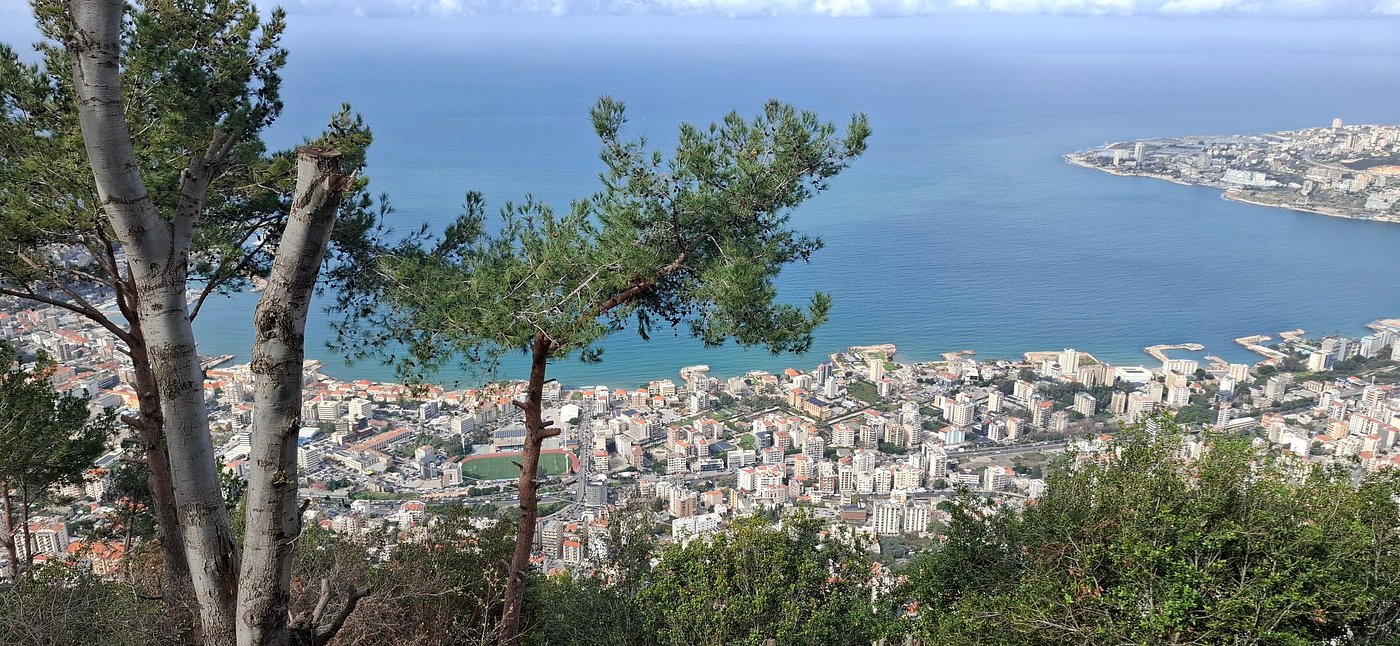
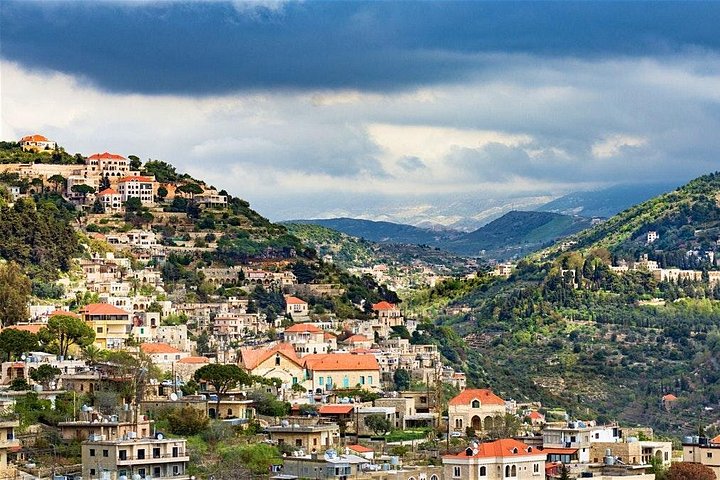
Up here, villages sit on terraced slopes and the air is noticeably cooler than in Beirut. Deir el Qamar is under an hour's drive away, which makes a day trip realistic. Set off early. Both the palace and the village are better when you aren't watching the clock.
Beiteddine Palace: what you can visit
Emir Bashir Shihab II, who governed the region for the Ottomans, had Beiteddine Palace built between 1788 and 1818. Its name means "House of Faith". The palace stands at roughly 850 m, about 45 km from Beirut, and blends Arab and Italian styles. Expect courtyards, carved details and long views across the valley.
The old stables are filled with Byzantine mosaics, and the Rashid Karami Archaeological and Ethnographic Museum occupies the upper floor, with pieces from several periods. There's a limit, though: part of the palace has been a presidential summer residence since 1943, so you'll only see part of it.
The palace has been a venue for the Beiteddine Festival since 1985. Before you go, confirm which days and sections are open.
Deir el Qamar: the former capital of Mount Lebanon
Deir el Qamar is roughly 5 km from the palace. It's a small stone village that served as the capital of Mount Lebanon under Emir Fakhreddine II, and it keeps the central square it grew up around, something few Lebanese villages can say. The best way to see it is on foot.
Begin at the square, where the Fakhreddine Mosque, the Silk Khan and the palace of Emir Youssef Chehab are close together. The lanes behind it lead past old churches, steep staircases and cobbled streets. No plan needed: choose a lane, have a coffee, take in the stonework.
It's quietest in the late afternoon, so aim to arrive then. With little time, an hour around the square will do.
The Chouf Cedar Reserve: when you want trees instead of palaces
The Chouf Cedar Reserve is said to be the largest nature reserve in Lebanon, protecting some of the country's oldest cedar forests. Three villages give access: Maasser el Chouf, Barouk and Ain Zhalta.
One cedar at Maasser is estimated to be about 3,000 years old, reason enough to visit. The reserve offers marked trails and viewpoints, and it's cooler than the villages below. Hikers need about half a day, so add this stop only if you start early or dedicate a full day to the Chouf.
Other stops if you have time
If the day has room, a few small stops are easy to add. Near Beiteddine, Moussa Castle is an unusual building that one man put together over decades, with wax figures and recreated village scenes. Mir Amin Palace, above Beiteddine, is a hotel now, but non-guests can stop for coffee or a drink on the terrace. Baakline, a quieter town, was the first capital of the Maan dynasty. In warmer months, the Nabeh Merched waterfall is a cool, green place to pause.
How to fit the Chouf into one day
Begin at Beiteddine in the morning, while the palace is fresh and you have time for the mosaics and the museum. Eat lunch in the mountains, then make the short drive to Deir el Qamar and wander the village in the late afternoon, when it's quietest.
That's already a full day. Only add the cedars if you leave Beirut very early and accept a shorter visit at each stop. If not, keep the reserve for another day, or spend the night in the mountains.
Practical tips
Bring comfortable shoes, since the village streets are cobbled and steep in places, and a layer, since the mountains are cooler than Beirut. With a driver, ask which road they plan to take, particularly if you're going up to the cedars, as there's more than one route.