Byblos vs Batroun: Which Coastal Town Should You Visit?
Byblos vs Batroun: the short answer
Choose Byblos if you want archaeology and a historic port you can cover on foot. Choose Batroun if you want to swim, eat by the sea and spend an evening in a town that stays lively after dark. Byblos, called Jbeil in Arabic, is a UNESCO World Heritage Site about 35 km north of Beirut. Batroun lies roughly 17 km further north. With a car you can see both in one day. If you have to pick one, the deciding question is whether ruins or the seaside matter more to you.
Byblos: ancient port, Crusader castle and 8,000 years of history
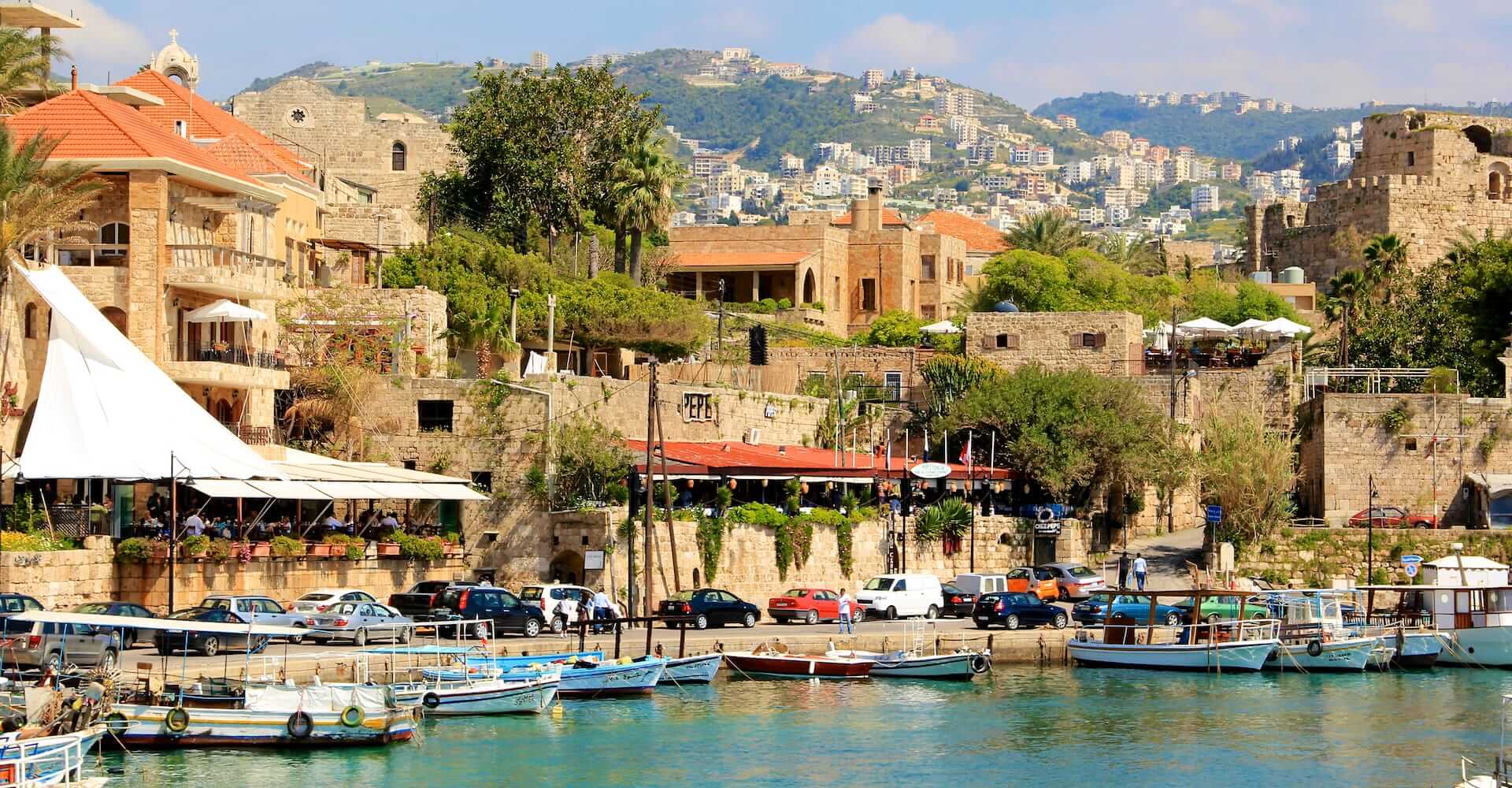
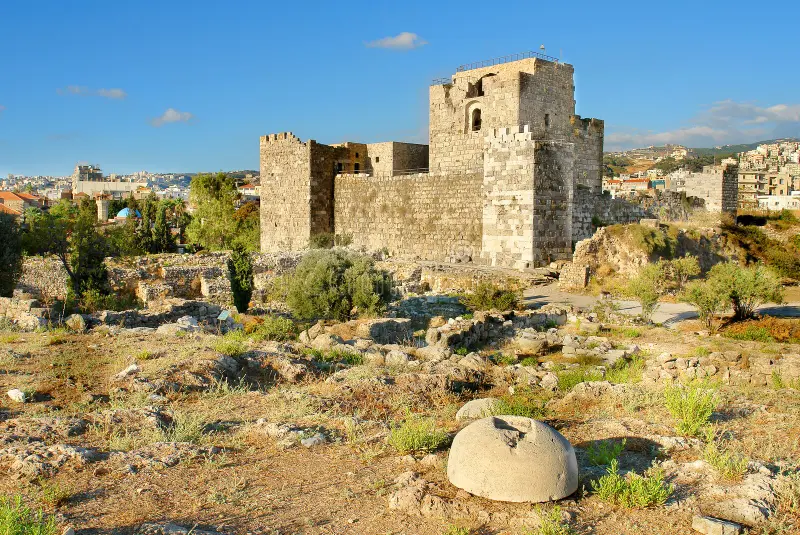
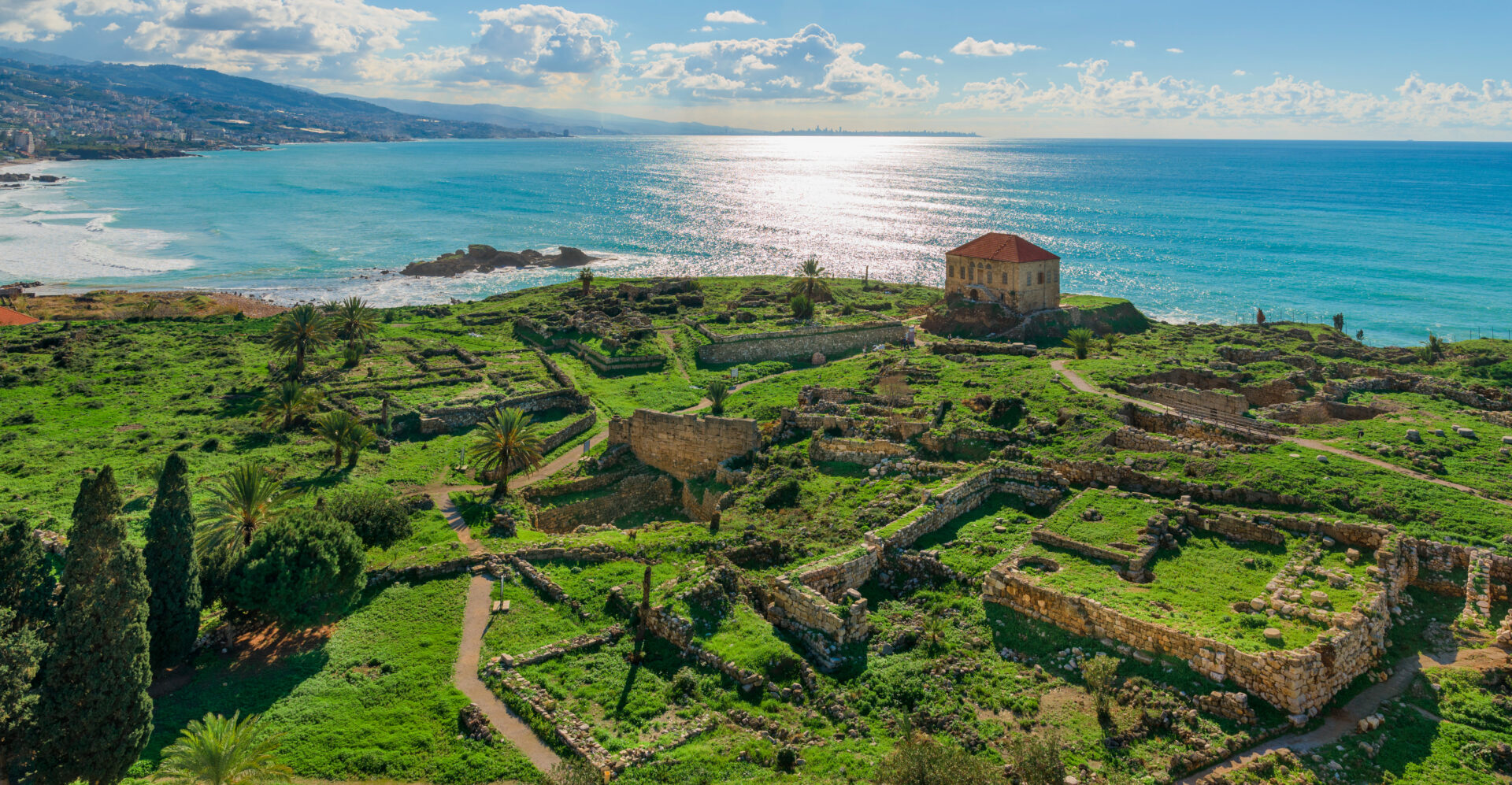
Byblos is one of the oldest continuously inhabited towns in the world, with settlement traced back about 8,000 years. UNESCO lists it for what it shows about the beginnings of Phoenician civilization, and inscriptions found here are linked to the development of the Phoenician alphabet. On site you walk through layers from the Neolithic to the Roman, Byzantine and Crusader periods, including the Temple of the Obelisks, the Royal Necropolis and a Roman theatre. The 12th-century Crusader castle dominates the site and gives views over the sea, and a small museum inside helps make sense of the ruins.
The best finds, including the sarcophagus carrying an early Phoenician inscription, are in the National Museum of Beirut rather than on site. Allow 1.5 to 2 hours for the ruins, plus time for the harbour and the old souk. Many visitors find the site less dramatic than Baalbek, so a local guide, available at the ticket booth, makes a real difference.
Batroun: Phoenician Wall, old souk and evenings by the sea
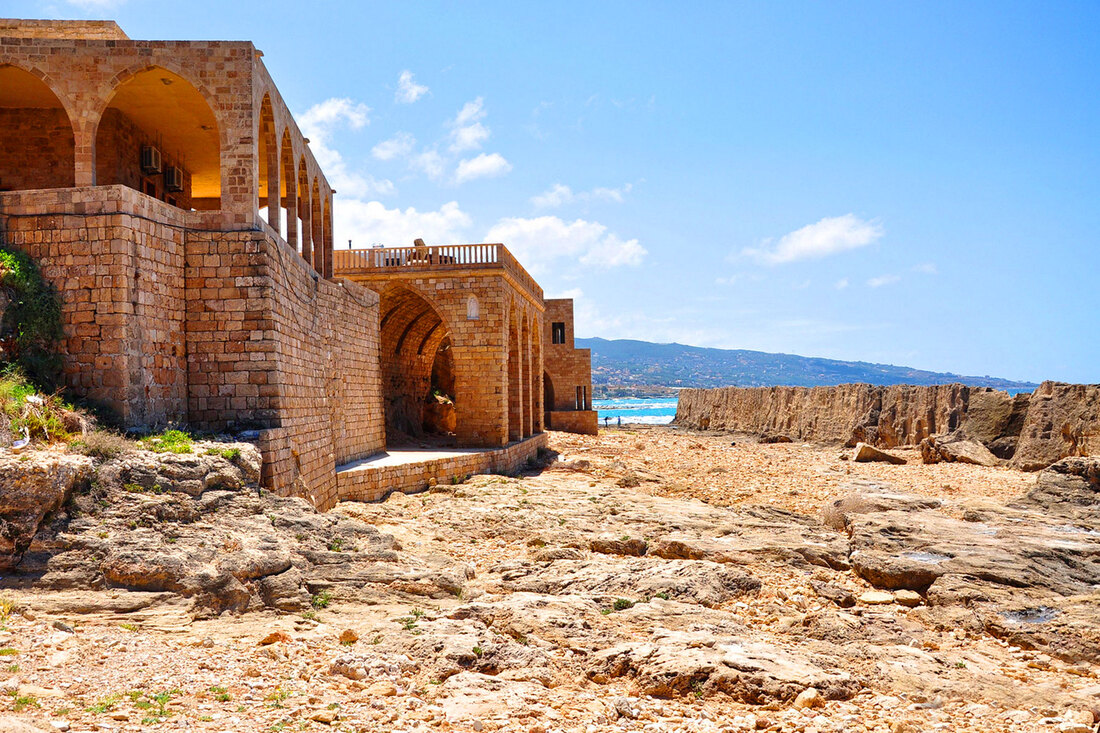
Batroun is a small harbour town where the main sights are close enough to cover on foot in a morning. Beside the old harbour runs the Phoenician Wall, a long rocky breakwater that locals treat as the town's emblem, and the remains of a Roman theatre lie close by. Behind the harbour, the old souk has stone lanes with cafes, shops and small guesthouses, and Our Lady of the Sea church and St. Stephen Cathedral are a short walk away. The real draw is the coast: pebble and sandy beaches, beach clubs, seafood restaurants at the port and a handful of small breweries. In the hills above town, wineries such as Ixsir sit a few kilometres from the centre.
How to choose: history, swimming, families and evenings
For history, Byblos wins clearly. It has far more to see, and its timeline runs from the Neolithic to the Crusades. For swimming, Batroun is the better base, because Byblos is mainly a heritage stop while Batroun is built around its coastline. With young children, Byblos is easier since the site is compact and needs little organising. Families with older children often find Batroun's beaches an easier sell. Both towns serve fish at the harbour, but Batroun has more choice and stays open later. If you want quiet, Byblos is calmer early in the morning and late in the afternoon, while Batroun tends to be busier on summer weekends.
Getting there and combining both in one day
Byblos is about 35 km north of Beirut and Batroun about 17 km beyond it, so the drive from Beirut to Batroun is roughly 55 to 60 km. Traffic on the coastal highway around Jounieh and Beirut is the main variable, so allow one to one and a half hours each way from the capital. A day trip from Beirut can work like this: arrive in Byblos when the site opens, spend the morning there, then drive to Batroun for a late lunch at the port, a swim or a walk along the wall, and the souk at sunset. If you are staying more than one night on this coast, Batroun is the more comfortable base, with Byblos as an easy half-day. The 17 km between the two towns usually takes 20 to 30 minutes by car.
Before you go: check current travel advice
Lebanon's security situation can change quickly, so read your government's current travel advice before booking anything. In 2026, several governments, including the United States, have advised against travel to Lebanon, and the United Kingdom advises against all or all but essential travel to specific areas. Fighting has been concentrated mainly in the south, but advisories and insurance terms can affect you wherever you plan to go. Check that your travel insurance remains valid for Lebanon, confirm the opening hours and ticket price of the Byblos site shortly before your visit, and verify the status of flights into Beirut. This article reflects information available in October 2026.