Jeita Grotto, Harissa and Byblos in One Day: Planning Guide
Can you see Jeita Grotto, Harissa and Byblos in one day?
You can, and without much driving. Jeita is about 18 km from Beirut, Jounieh (where the cable car up to Harissa starts) about 16 km, and Byblos about 40 km. They're strung along the coast north of the city, so the day moves in one direction.
Time is the problem, not distance. Jeita alone can take a couple of hours, Harissa means a cable car ride each way, and Byblos is a place you'll want to linger in. Leave early. A car with a driver helps a lot here, since you won't be sorting out transport between three stops.
The best order: Jeita, then Harissa, then Byblos
Do Jeita first, Harissa around midday and Byblos last. Jeita is a cave, so it's cool and quiet in the morning, and it's also the stop you need to check before you go. Harissa is the easy middle: you ride up, look, ride down, and your legs get a rest.
Byblos goes at the end because it's the one place where you won't mind losing track of time. You can walk the old port, sit by the harbour for dinner, and then make a single drive back to Beirut, about 40 km. Doing it the other way round means rushing the best part.
Jeita Grotto: upper galleries, lower boat ride and what to check first
Jeita is two connected limestone caves about 18 km north of Beirut, and you see them in two different ways. For the upper galleries, a cable car takes you up from the entrance to a tunnel, then you walk a raised path through big chambers. Around 750 m of the upper cave is open to visitors. The lower cave is a boat ride of roughly 500 m on a quiet underground river.
You can't take photos or video inside, so put the phone away. It's cool in there all year, so bring a light jacket. In winter the lower cave can close when the water is high, though the upper galleries stay open.
Check before you pick the date. Jeita reopened in July 2025 after about eight months shut, and the municipality has been running it on a temporary basis. Opening days, hours and whether the cable car is working can change.
Harissa: the cable car, the statue and the bay
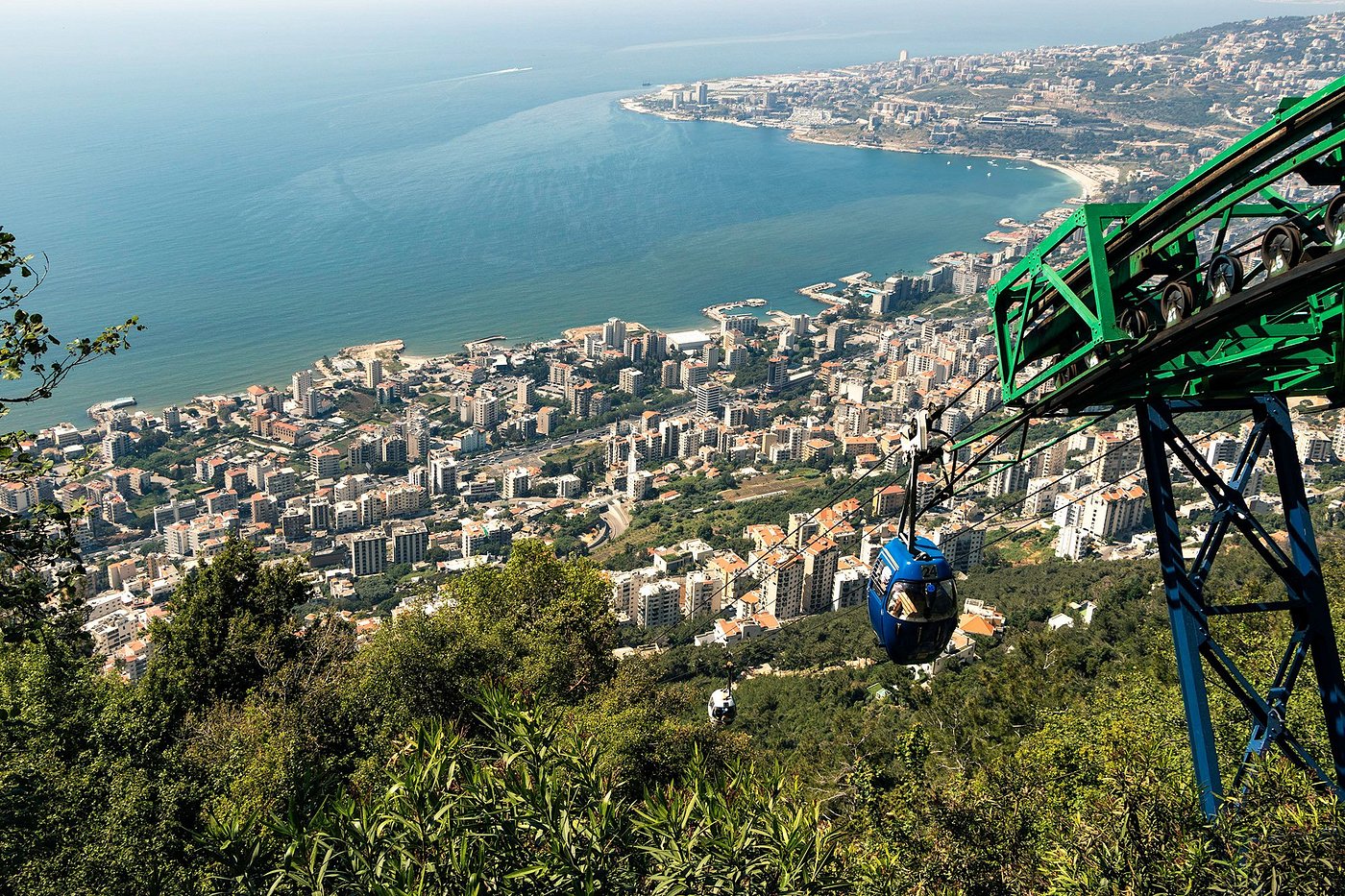
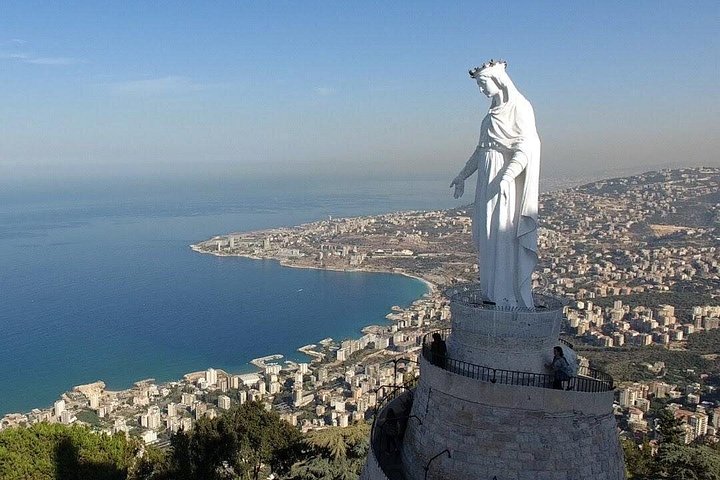
Harissa is a hilltop shrine to Our Lady of Lebanon above the bay of Jounieh, and most people go up by cable car from Jounieh. The ride is about 1.5 km and takes roughly nine minutes, climbing to around 650 m. It has been running since 1965, and some people find it a bit nerve-racking.
At the top, a path through a park leads to the statue, which stands with its arms open over the bay. You don't have to be religious to like it. The view over Jounieh Bay and the coast is the real draw.
Give it about an hour and a half, including both rides. There's a road up too, so if the cable car isn't running, ask your driver. Want a proper lunch? Jounieh has an old souk with restaurants and shops.
Byblos: why it gets the last stop
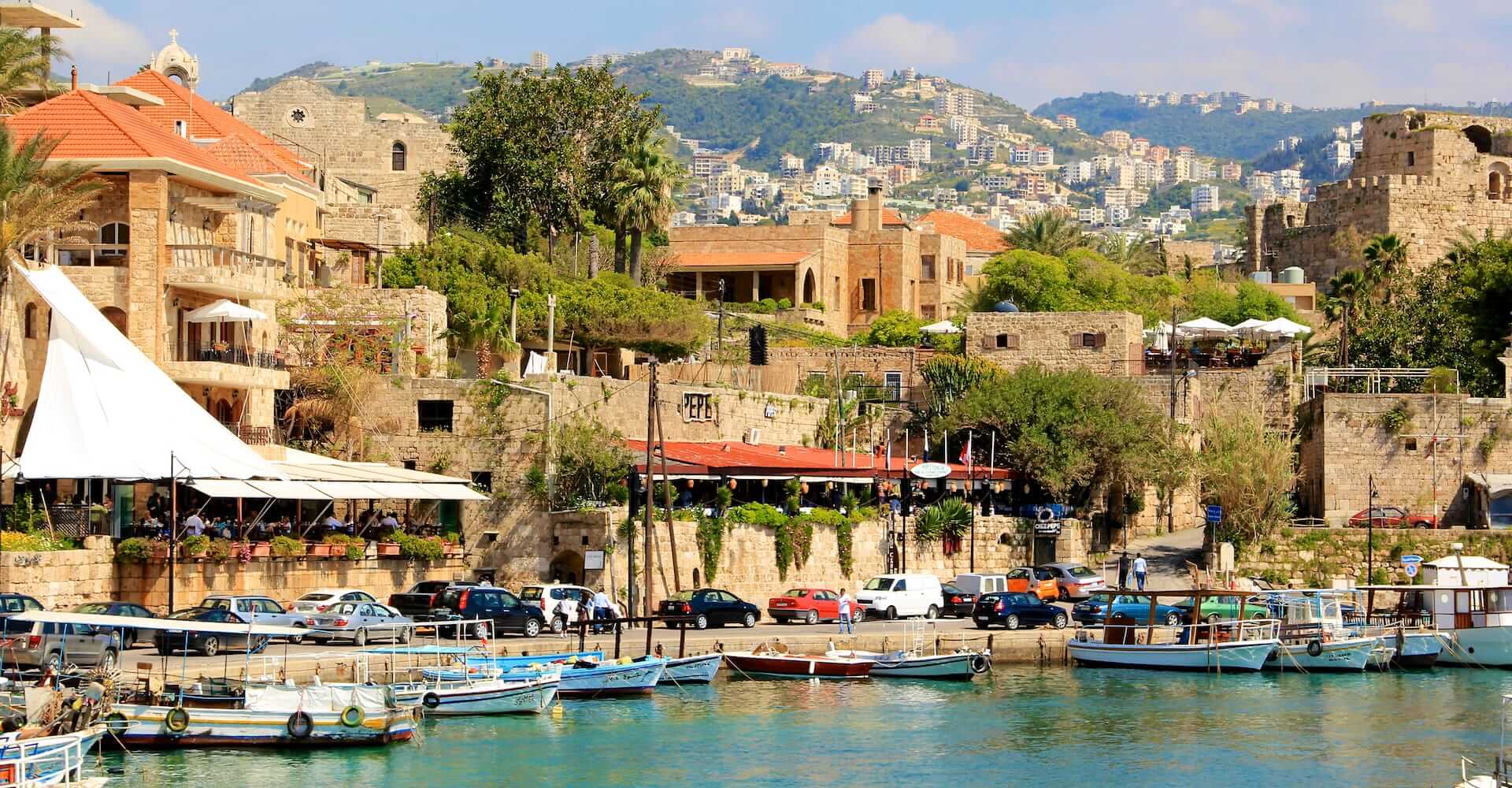
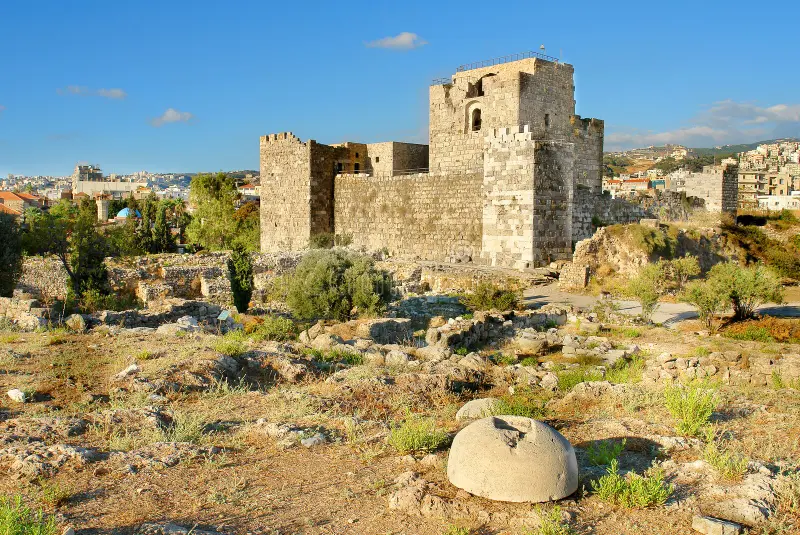
Byblos is a port town about 40 km north of Beirut, and its ancient town is a UNESCO World Heritage site. The old port, the Crusader castle and the Phoenician and Roman remains are all close together, so you can see a lot on foot.
Plan on at least two hours. If you also want dinner by the harbour, it'll be longer. And because it's the last stop, nothing later in the day suffers if you stay a bit more.
A sample day
Treat this as an order, not a timetable. Opening times and traffic will move things around.
- Leave Beirut early and get to Jeita when it opens.
- Spend the morning in the caves: cable car, upper galleries, then the boat.
- Drive to Jounieh and ride the cable car up to Harissa.
- Have lunch in Jounieh or at the top, then come back down.
- Head on to Byblos for the castle and the old port.
- Finish with dinner by the harbour and drive back to Beirut.
Tips for a smooth day
Wear shoes you can walk in, because all three places involve a fair bit of walking. Before you leave, check that both cable cars are running. If the day starts to feel full, drop Harissa first: Jeita and Byblos give you the most. And don't try to squeeze in anything else. Beiteddine and the north each need a day of their own.