Best Time to Visit Luxor, Egypt: Month-by-Month Guide
When Is the Best Time to Visit Luxor?
The short answer is October through April. Luxor sits in one of the driest, sunniest corners of Egypt, and that dryness makes timing matter more here than almost anywhere else in the country. Winter (December to February) is the coolest and most comfortable stretch, while October–November and February–March offer nearly the same comfort with smaller crowds and better hotel rates. Summer, from June to September, pushes daytime temperatures past 40°C and turns midday sightseeing into an endurance test.
Winter in Luxor: December to February
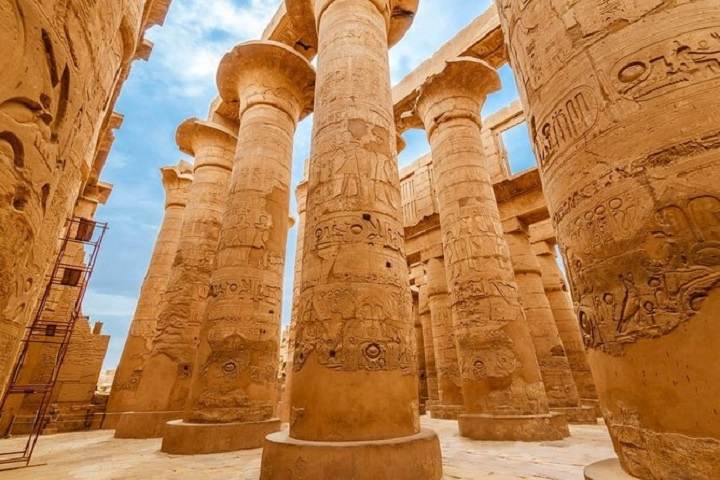
Winter is when Luxor is at its most crowded and its most pleasant. Daytime highs sit around 20–25°C, cool enough to spend a full morning walking Karnak's columned halls or climbing into the Valley of the Kings' tombs without the heat cutting the visit short. Nights drop sharply, sometimes to 8–9°C just before dawn, so a warm layer for early balloon rides or evening felucca trips is worth packing. This is also peak season: cruise ships, hotels, and guided tours fill up weeks in advance, and prices climb with the demand.
The Shoulder Seasons: October–November and February–March
These four months are where Luxor's timing rewards travelers who plan around them rather than default to the winter rush. October opens hot but cools fast, with November settling into genuinely comfortable afternoons and crisp evenings. February and March mirror that pattern in reverse, warming gradually before the summer heat sets in. Crowds thin, hotel rates soften, and the lower afternoon sun gives temples like Hatshepsut's and the Colossi of Memnon a warmer, more photogenic light than the flat glare of midday winter sun.
Summer in Luxor: May to September
Luxor's summer is not mild heat; July regularly pushes past 40°C, and June through August rarely dip below the mid-30s even after dark. Sightseeing is still possible, tombs and temple interiors stay cooler than the open air, and hotel and cruise prices drop noticeably. But this season suits travelers who are comfortable planning around the heat: early starts, indoor breaks through midday, and a serious approach to hydration rather than a leisurely stroll between sites.
Special Events Worth Timing a Trip Around
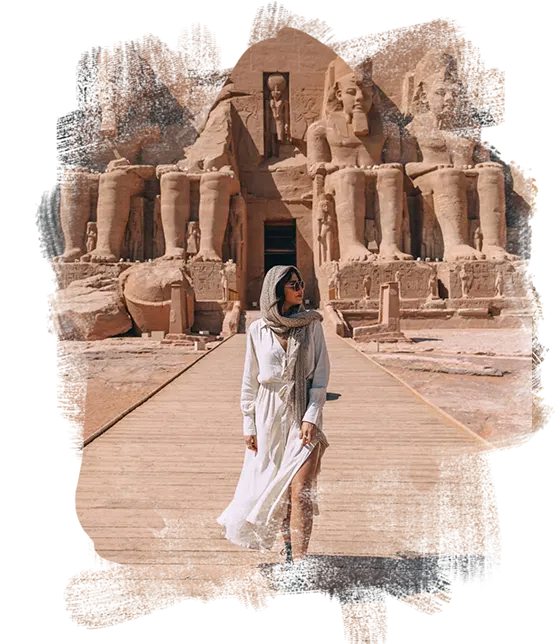
Two dates draw travelers who pair Luxor with Aswan: February 22 and October 22, when sunlight aligns directly with the inner sanctuary of Abu Simbel's temple, further south in Egypt. Closer to home, sunrise hot air balloon rides over the West Bank run year-round but are most consistently smooth during the calmer winds of winter and early spring, when visibility over the Valley of the Kings and the Ramesseum is at its clearest.
Practical Tips for Timing Your Visit
Luxor gets under 4mm of rain a year on average, so weather rarely disrupts a trip regardless of season; the real planning variable is heat and crowd size, not rain. Booking winter dates three to four months ahead is worth it given how quickly Nile cruise cabins and riverside hotels fill between December and February. Sun protection matters in every season here, not just summer, since Luxor logs some of the highest sunshine totals on earth.
Planning Your Luxor Trip with Aten Tours
Whichever season fits your plans, a private, guided itinerary makes the difference between rushing through the West Bank in the midday sun and pacing a day around when the light and temperature actually work in your favor. Aten Tours builds private Luxor itineraries around exactly that kind of timing, whether that means an early start for Karnak in January or a shaded, slower-paced route through the temples in July.