Karnak Sound and Light Show: What a Night at the Temple Is Really Like
Walking Through an Illuminated Temple
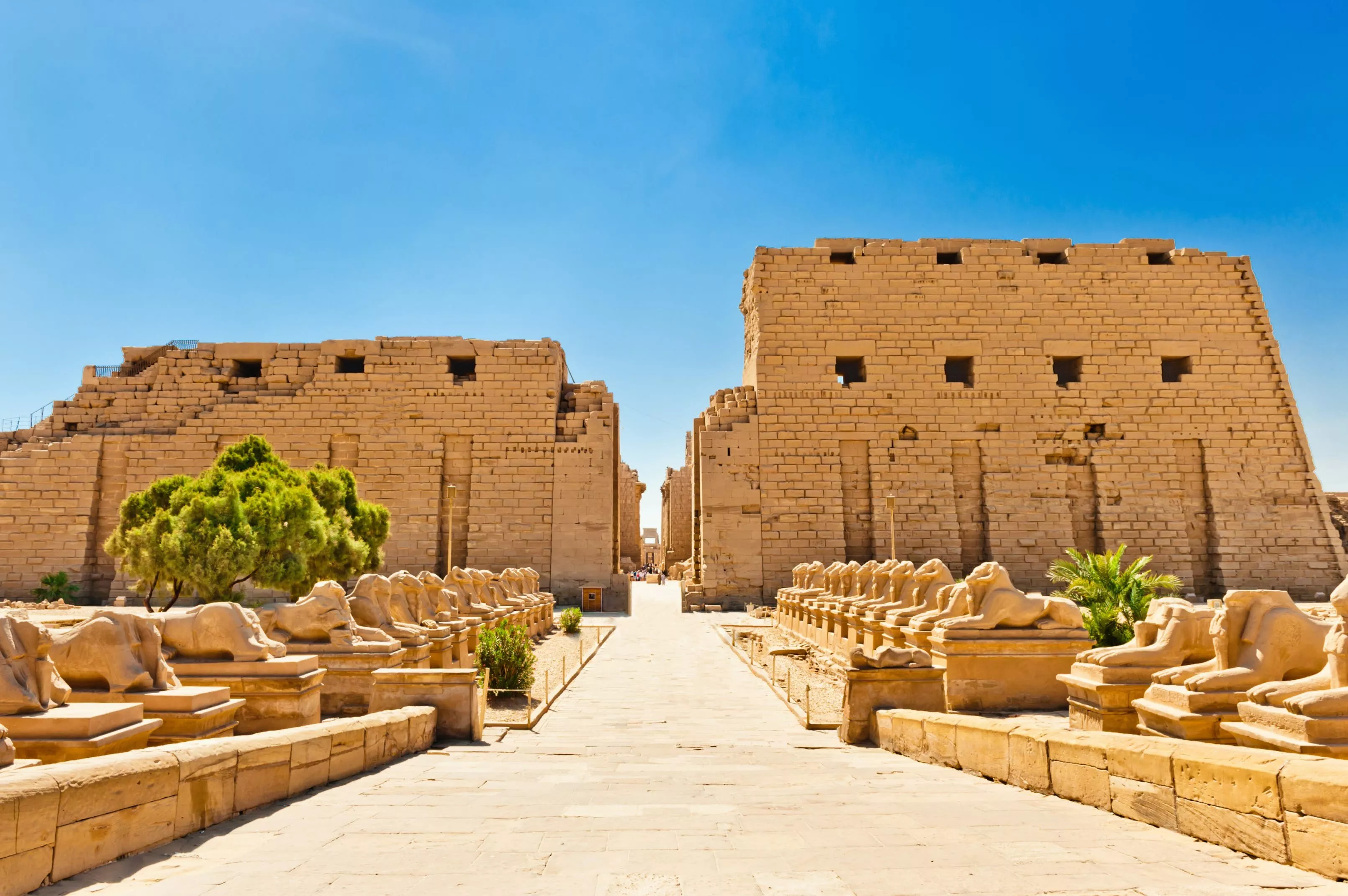
Karnak by day is a maze of stone in blazing sun. Karnak after dark is something else. The gates open in the early evening, and instead of daylight glare, spotlights pick out the pylons and colossal statues one at a time. You walk the same route worshippers and pharaohs once used, except now a recorded narration plays overhead as you move, tying the different sections of the temple together into one story.
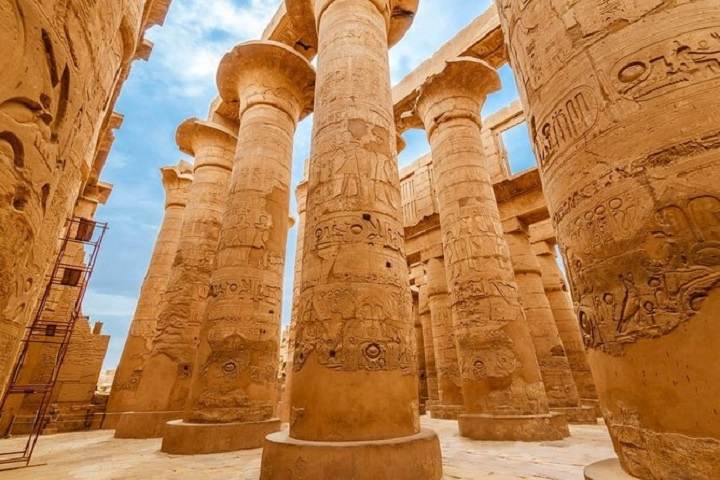
The pace is unhurried. Groups stop at the first pylon, then move toward the Great Hypostyle Hall, where 134 columns rise around you in the dark. Lit from below, they look taller than they do at noon. The narration shifts from booming to quiet as it works through the reigns of the pharaohs who kept adding to Karnak over more than a thousand years.
The Story the Lights Tell
The script follows the temple's dedication to Amun, his wife Mut, and their son Khonsu, and the rise of Thebes as the religious center of ancient Egypt. It's not a dry history lecture. The narration leans into drama on purpose, pairing sweeping music with shifts in color across the stone. Some visitors find it theatrical in a good way. Others prefer walking the same halls in daylight and skipping the performance altogether. Both are valid ways to see Karnak.
The Finale by the Sacred Lake
The last part of the show is seated, at rows of chairs facing the Sacred Lake. The lit temple reflects on the water, doubling the columns and obelisks in the surface. This is usually where the narration builds to its conclusion, and it's the moment most people photograph. After the lights fade, you're walked back out to your transport.
Good to Know Before You Go
The show runs several times most evenings, each performance in a different language, which usually includes English, Arabic, French, German, Spanish, and Italian. If a specific language matters to you, it's worth confirming the show time for that language rather than just showing up. The whole experience, walk and seated finale combined, runs close to an hour.
Bring a light layer. Luxor evenings cool down quickly even after a hot day, especially between October and April when most visitors come. Comfortable shoes help too, since part of the show is a walk over uneven stone in low light.
How Aten Tours Can Help
At Aten Tours, our Luxor guides usually recommend visiting Karnak in daylight first, then coming back for the Sound and Light Show as a separate evening outing, since the two visits reveal different sides of the same temple. If you'd like the show built into a private Luxor itinerary, with transport and your preferred show language arranged in advance, our team can set that up around the rest of your trip.