Tombs of the Nobles
Tombs of the Nobles in Luxor: A Guide to Egypt's Hidden Historical Treasures
What Are the Tombs of the Nobles?
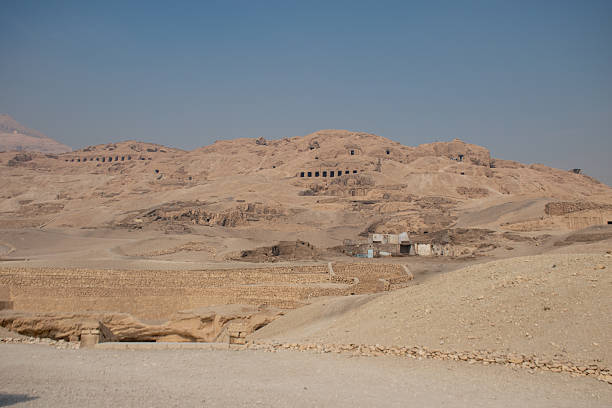
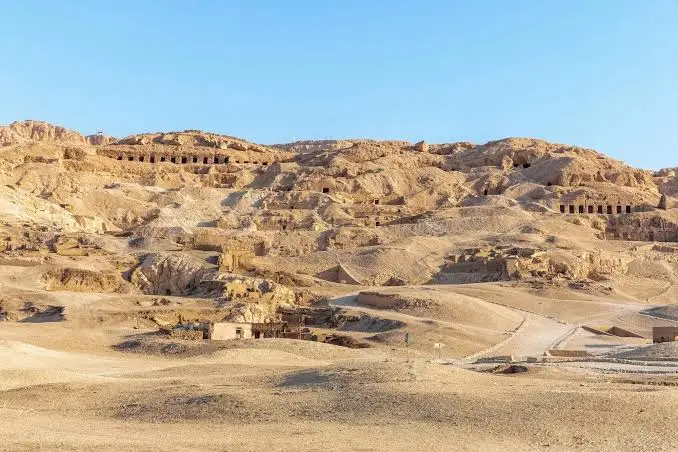
The Tombs of the Nobles are a collection of ancient burial sites located on Luxor's West Bank. Unlike the royal tombs in the Valley of the Kings, these tombs were built for high-ranking officials, governors, priests, military commanders, and scribes who served the pharaohs during the New Kingdom. Their important roles in government and religion earned them respected burial places that reflected their status in ancient Egyptian society.
Part of the Theban Necropolis, these tombs are renowned for their remarkably preserved wall paintings, inscriptions, and hieroglyphics. Instead of focusing solely on religious beliefs and the afterlife, many of the scenes illustrate daily life in Ancient Egypt, including farming, fishing, hunting, banquets, religious rituals, and family gatherings. These detailed artworks represent valuable insight into the occupations, customs, and traditions of the time, making the Tombs of the Nobles one of the most fascinating archaeological sites in Luxor.
Where Are the Tombs of the Nobles Located?
The Tombs of the Nobles are situated on the Luxor West Bank, within the vast Theban Necropolis, a UNESCO World Heritage Site. The tombs are spread across several areas, including Sheikh Abd el-Qurna, El-Khokha, Dra Abu El-Naga, and Asasif, all of which are home to important archaeological discoveries.
Their location places them close to many of Luxor's most famous landmarks, making them an easy addition to any sightseeing itinerary. Because the site is generally quieter than some of the city's larger attractions, visitors often enjoy a more relaxed experience while exploring these beautifully decorated tombs.
What Makes the Tombs of the Nobles Special?
The Tombs of the Nobles stand out because they offer a different perspective on Ancient Egypt than the royal tombs. While the Valley of the Kings focuses on the burial traditions of pharaohs, these tombs reveal the lives of the people who helped govern and manage the kingdom.
Inside the tombs, visitors can admire colorful paintings, finely carved hieroglyphics, and scenes illustrating agriculture, craftsmanship, music, religious rituals, and everyday family life. These decorations have remained remarkably vibrant for thousands of years, highlighting the skill of ancient Egyptian artists and the importance of preserving these historic sites.
Some of the best-known tombs include the Tomb of Nakht, known for its vivid paintings and banquet scenes; the Tomb of Menna, famous for its detailed agricultural scenes; and the Tomb of Rekhmire, the burial place of a powerful vizier whose tomb provides valuable information about government and daily life during the New Kingdom.
Can You Visit the Tombs of the Nobles?
Yes. Several of the Tombs of the Nobles are open to visitors, although the specific tombs available may change as conservation work continues. An entrance ticket usually includes access to a selected group of tombs, allowing visitors to appreciate their artwork while helping protect the fragile interiors.
The best time to visit is during the cooler morning hours, especially between October and April, when temperatures are more comfortable for exploring outdoor archaeological sites. Many travelers include the Tombs of the Nobles as part of a Luxor day tour or a guided visit to the West Bank.
Why Visit the Tombs of the Nobles?
Although they are often overshadowed by the Valley of the Kings, the Tombs of the Nobles provide one of the most authentic insights into Ancient Egyptian life. Their beautifully preserved paintings, detailed inscriptions, and unique portrayal of everyday activities offer a perspective that royal tombs cannot.
For history enthusiasts, photographers, and travelers interested in Egypt's cultural heritage, these remarkable tombs are well worth a visit. Combined with nearby attractions on the Luxor West Bank, they create a memorable journey through one of the world's most important archaeological landscapes while helping preserve the legacy of Ancient Egypt for future generations.
Best Attractions Near the Tombs of the Nobles
A visit to the Tombs of the Nobles can easily be combined with several of Luxor's most famous attractions. The Valley of the Kings is one of Egypt's best-known archaeological sites and contains the tombs of many pharaohs, including Tutankhamun. The Temple of Hatshepsut, located at Deir el-Bahari, is admired for its striking architecture and its connection to one of Egypt's most influential female rulers. The Colossi of Memnon, two massive stone statues that have stood for more than 3,000 years, are another popular stop on the Luxor West Bank. Visitors can also explore the Valley of the Queens, where many royal wives and children were buried in beautifully decorated tombs. Together, these landmarks make the West Bank one of the most rewarding places to visit in Luxor and a highlight of many Egypt travel itineraries.