Tomb of Tutankhamun
The Legacy of the Tutankhamun Tomb Discovery
The discovery of Tutankhamun’s tomb did not only transform archaeology in the early twentieth century; it created a lasting legacy that continues to shape modern understanding of ancient Egypt. Following the excavation, scholars around the world reexamined their interpretations of the 18th Dynasty, royal burial traditions, and the political and religious landscape of the period.
One of the most significant effects was the way museums began presenting ancient artifacts. Rather than being displayed merely as historical objects, the treasures from King Tut’s Tomb became symbols of cultural heritage and human achievement. International exhibitions featuring the famous golden mask and other artifacts attracted millions of visitors and helped spark a global fascination with Egyptian civilization.
The excavation also set new standards for archaeological documentation. Howard Carter and his team carefully recorded each stage of the discovery, creating a methodological model that later influenced archaeological projects worldwide.
Visiting Tutankhamun's Tomb Today
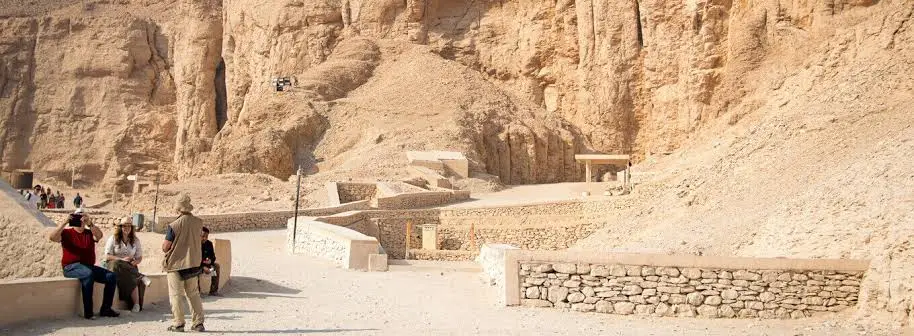
Today, visitors can still step inside Tutankhamun's Tomb in the Valley of the Kings, making it one of the few places where travelers can experience the burial site of an ancient Egyptian pharaoh firsthand. While many of the treasures discovered by Howard Carter have been moved to museums for preservation, the tomb itself remains open to the public and continues to attract visitors from around the world.
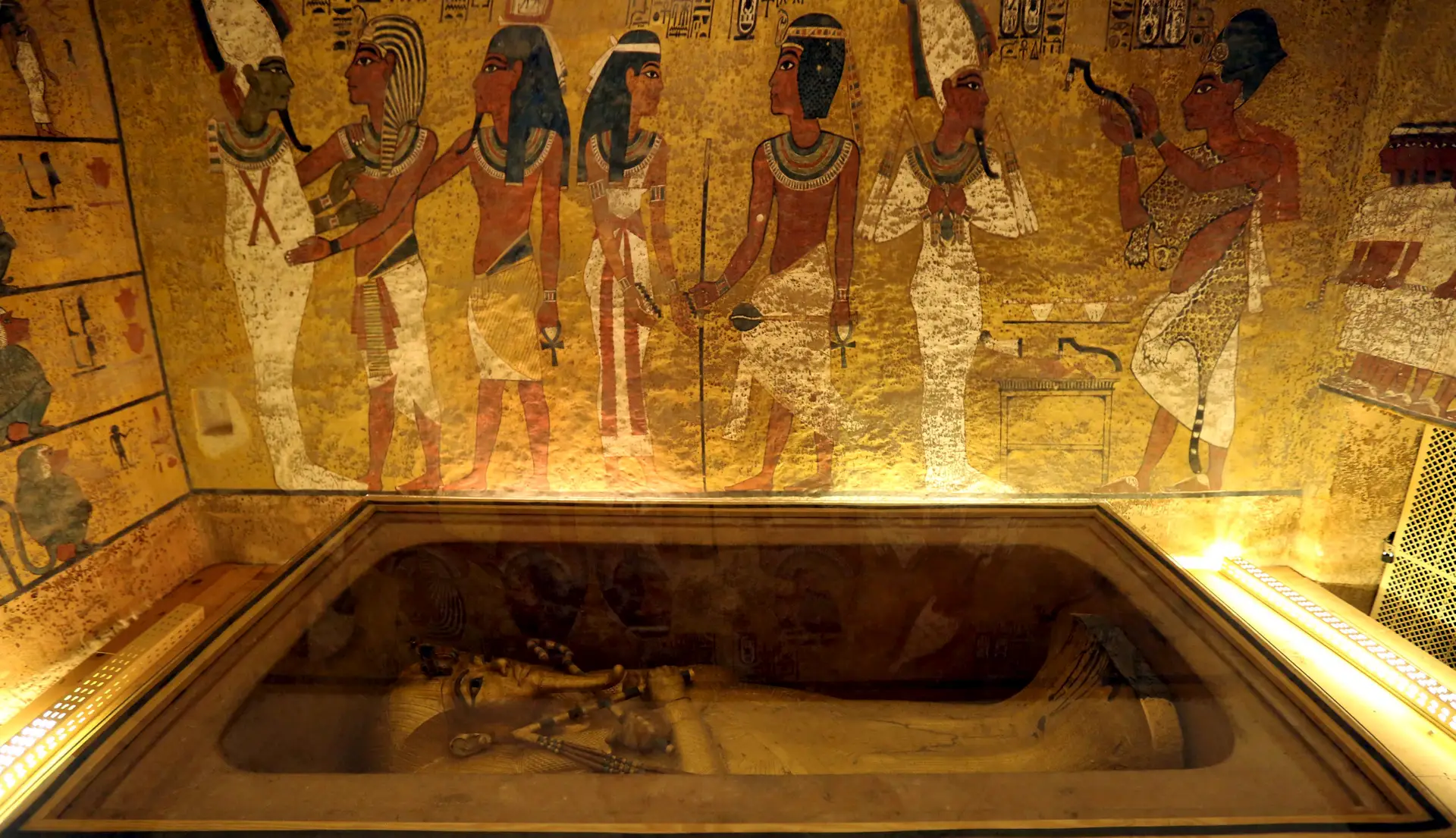
Inside, travelers can admire the painted walls of the burial chamber, which still display scenes connected to ancient Egyptian beliefs about the afterlife. Tutankhamun's mummy also remains inside the tomb in a climate-controlled glass case, allowing visitors to see the young king where he was originally laid to rest more than 3,000 years ago.
Because entry is carefully managed to help protect the site, visiting the tomb is often considered one of the highlights of a trip to Luxor and the Valley of the Kings.
Tutankhamun’s Tomb and Modern Archaeology
The influence of Tutankhamun’s Tomb extends far beyond its original discovery. Modern archaeologists now use technologies such as 3D scanning, ground-penetrating radar, and digital reconstruction to study ancient sites, yet many of these approaches reflect the same careful and systematic principles that guided the excavation of King Tut’s burial chamber.
Researchers continue to analyze the objects found inside the tomb to gain deeper insight into daily life, religious beliefs, and political authority in Ancient Egypt. Each artifact, whether modest or elaborate, contributes valuable evidence about how the Egyptians viewed death and the afterlife. The tomb also remains a major reference point for Egyptologists working in the Valley of the Kings. By comparing its architecture, decoration, and state of preservation with other royal burials, scholars can better understand the evolution of ancient Egyptian funerary practices.
Preserving Tutankhamun's Tomb for Future Generations
Protecting Tutankhamun's Tomb has become a priority for archaeologists and conservation experts. Over the years, large numbers of visitors have introduced heat, humidity, and dust into the burial chamber, all of which can gradually affect the ancient wall paintings and the tomb's delicate environment.
To reduce these risks, conservation projects have focused on improving ventilation, monitoring environmental conditions, and carefully preserving the artwork without altering its original appearance. Modern technology also allows specialists to document the tomb in remarkable detail, making it easier to study and protect the site while limiting unnecessary contact with its fragile surfaces.
These ongoing efforts help ensure that one of Ancient Egypt's greatest archaeological discoveries can continue to educate and inspire future generations.
Tutankhamun Tomb Tourism Impact and Global Attraction
The discovery of the Tutankhamun Tomb gave a tremendous boost to tourism in Egypt, particularly in Luxor. Today, the Valley of the Kings is one of the world’s most visited archaeological destinations, attracting travelers from across the globe.
Many visitors choose a Luxor day tour specifically to explore the royal tombs, temples, and museums associated with the era of King Tut. Others include Luxor as part of a broader Egypt itinerary that combines historical exploration with cultural experiences.
The growth of tourism has supported the local economy while also increasing international awareness of Egypt’s ancient heritage. Visitors are often impressed by the remarkable preservation of the tomb and the extraordinary craftsmanship displayed in its decorations and artifacts.
The enduring fascination with Tutankhamun continues to inspire documentaries, books, exhibitions, and educational programs around the world.
Mysteries and Theories Surrounding the Tomb
Despite decades of research, the Tomb of Tutankhamun still raises important questions. One of the most famous is the alleged “Curse of the Pharaohs," a legend that emerged after several individuals connected with the excavation died in the years following the opening of the tomb. Although modern science has found no evidence of a supernatural curse, the story remains a popular element of media coverage and tourism marketing.
Another enduring mystery concerns Tutankhamun’s early death. Some scholars suggest illness or genetic disorders, while others point to possible political tensions within the royal court. Advanced examinations, including CT scans of the mummy, have provided new information, but the exact cause of death remains uncertain.
These unanswered questions continue to make King Tut’s Tomb one of the most intriguing archaeological discoveries in history.
Why Tutankhamun’s Tomb Remains Important Today
The importance of the Tutankhamun Tomb extends far beyond academic research. It serves as a bridge between the ancient world and modern society, allowing people to connect directly with the achievements of Ancient Egyptian civilization. For historians, the tomb provides invaluable information about royal life, religious beliefs, and funerary customs. For travelers, it is one of the few places where history feels immediate and tangible. For Egypt, it represents cultural pride and a powerful symbol of national heritage.
Ongoing preservation efforts ensure that the legacy of King Tut’s Tomb will continue for future generations. Museums, research institutions, and tourism organizations work together to protect and promote this extraordinary archaeological treasure.