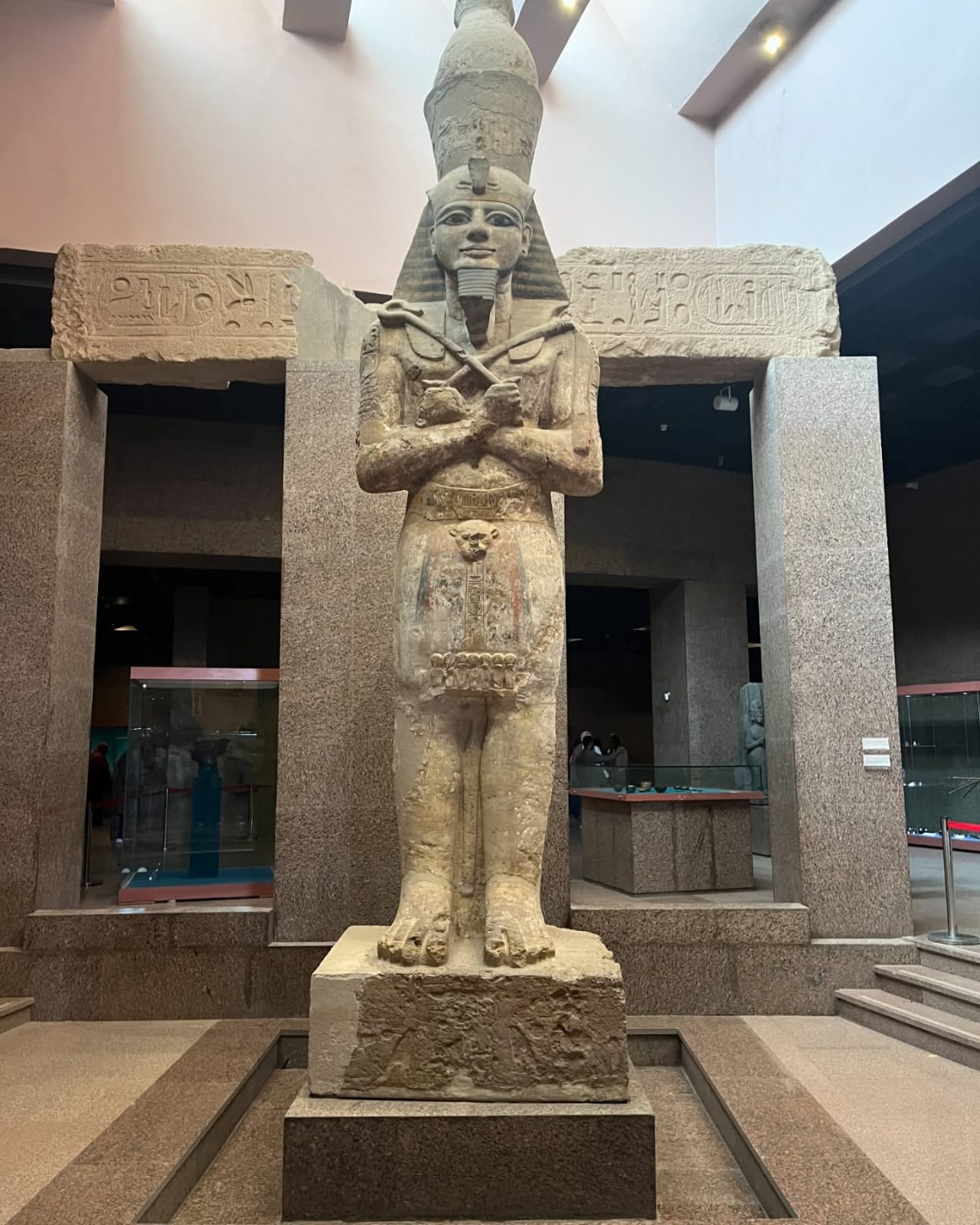
Ancient Nubian statue displayed inside the Nubian Museum in Aswan, Egypt.

Nubian Museum Aswan: Complete Visitor Guide
The Nubian Museum in Aswan traces Nubian history from prehistoric settlements to the villages submerged when Lake Nasser formed in the 1960s. Inside:...

Exterior view of the Nubian Museum in Aswan, showcasing traditional Nubian architecture.

Nubian Museum Aswan: Complete Visitor Guide

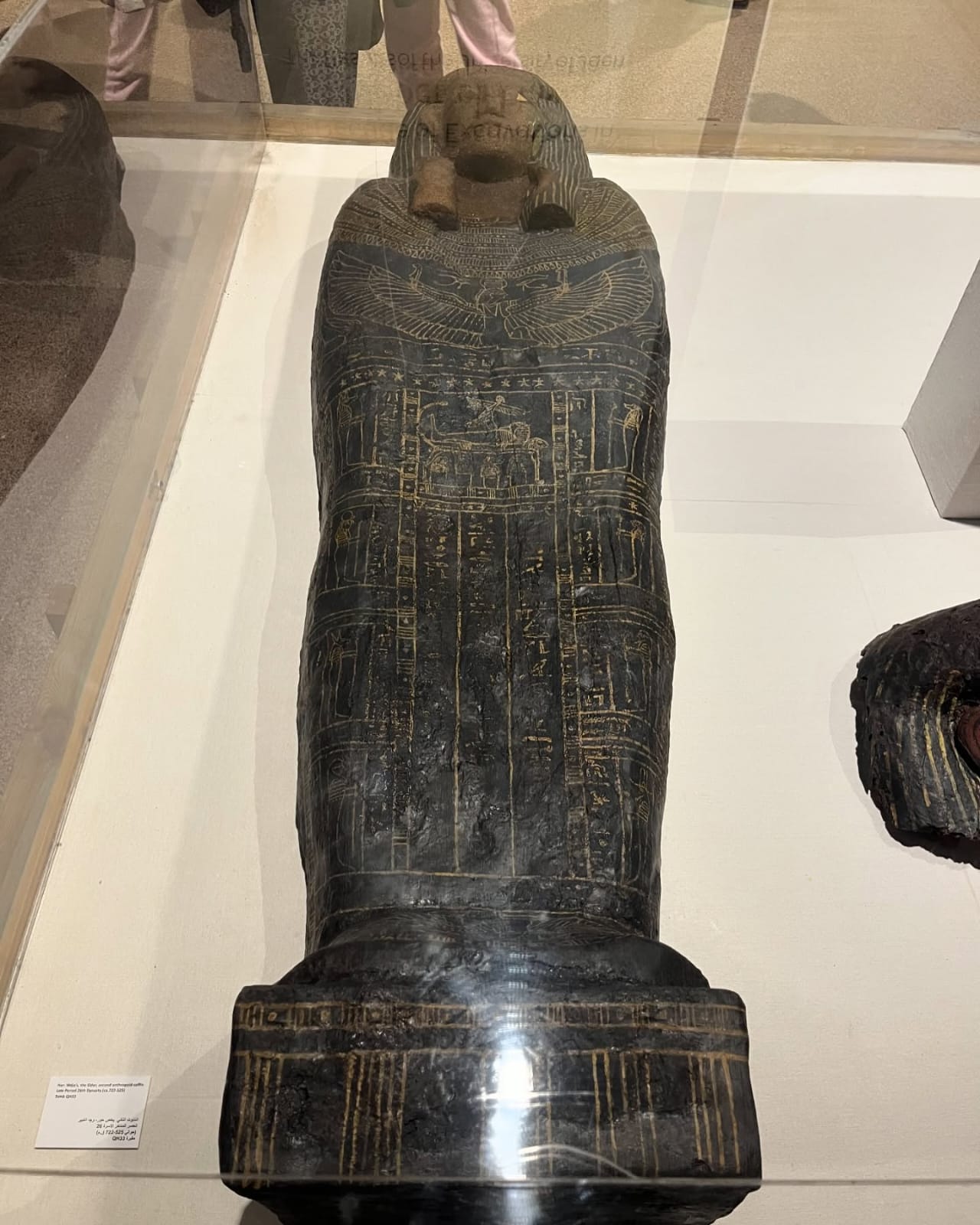
Large ancient stone statue exhibited at the Nubian Museum in Aswan. Golden funerary mask displayed in the Nubian Museum, Aswan, Egypt. Ancient carved stone inscription preserved at the Nubian Museum in Aswan.

What Is the Nubian Museum

Most people driving past on the Corniche have no idea what's inside. The Nubian Museum in Aswan — officially the International Museum of Nubia — opened in 1997 to hold roughly 3,000 artifacts saved during UNESCO's Nubia rescue campaign. The Egyptian Museum in Cairo covers the whole span of ancient Egypt; this one narrows in on a single people, the Nubians, whose homeland runs from southern Egypt into what's now northern Sudan. Architect Mahmoud El-Hakim designed the building to reference traditional Nubian style rather than standard museum architecture, and it won the Aga Khan Award for that choice. It's smaller and quieter than the Cairo museum — plan your time accordingly.

The Story Behind It

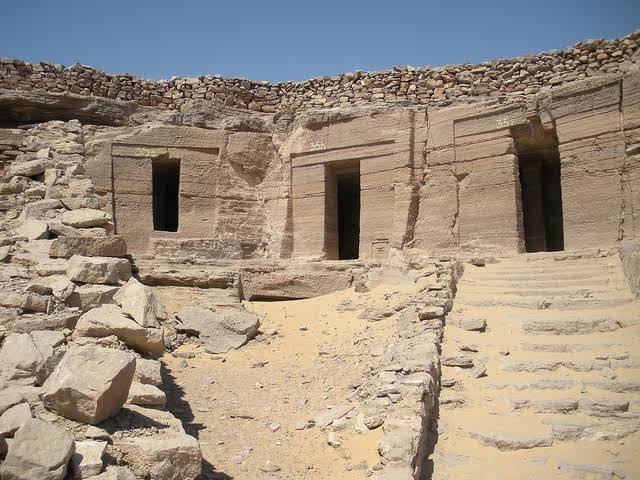
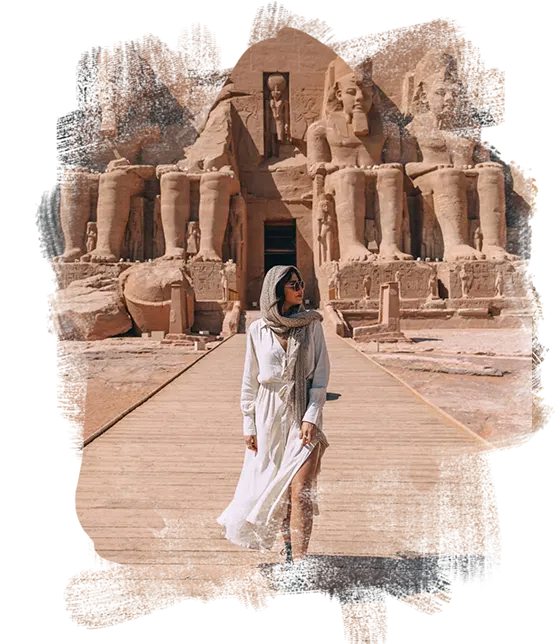
The dam came first. Egypt needed the Aswan High Dam, the dam needed Lake Nasser, and Lake Nasser needed land that Nubian villages and ancient temples happened to occupy. UNESCO organized one of the largest heritage rescue efforts in history: Abu Simbel got physically relocated, and everything smaller was excavated before the water arrived. The pottery, jewelry, and statues on display here are survivors of that effort. So is the section on what happened to the Nubian communities who had to relocate — a detail a lot of museums would leave out entirely.

What You'll See Inside

The Ramesses II statue anchors the main hall, placed there because historians point to his reign as the moment Pharaonic and Nubian culture visibly merged. Around it, exhibits move through geological, Pharaonic, Roman, Coptic, and Islamic-era pieces specific to Nubia. Some of the lighting is weak — mostly ceiling spots, no natural light — so don't expect every case to be evenly lit. The part that actually sticks with most visitors afterward is the ethnographic pavilion: a Nubian farmer working a shadoof, women sitting outside a traditional house, children studying at a kottab, a staged wedding scene. It's easy to treat this as the "extra" section after the real antiquities. It isn't.

Opening Hours and Getting There

The museum is open every day, holidays included, though hours can shift with the season — check ahead rather than trusting a single source, since online listings disagree with each other. It sits on El Fanadek Street near the Basma Hotel, about 10-15 minutes by taxi from downtown Aswan, or a 30-40 minute walk if the weather cooperates. Guided Aswan tours usually include this stop already, so transport is often handled for you. Solo travelers get there easily enough by taxi; the public bus system exists but isn't practical if you don't read Arabic.

How Much Time You Need

Give it two to three hours for a proper visit covering both the main collection and the ethnographic pavilion. History-minded visitors who read every label might need four. Ninety minutes works if you're sticking to the highlights — the Ramesses II statue, the ethnographic models, a walk through the gardens. One stop among several, two hours does it.

Best Time to Visit and Importans Tips

Summer in Aswan regularly pushes past 40°C, so mornings or late afternoons beat midday by a wide margin. Early visits also mean fewer people around the ethnographic pavilion. The outdoor gardens are pleasant but not perfectly maintained — some visitors mention they look rougher than the indoor galleries, which stay cool and clean throughout. A guide is genuinely useful here, especially for the resettlement history, which needs more context than a wall placard can give. The Unfinished Obelisk sits close enough to pair with this visit.

Visiting the Nubian Museum as Part of a Wider Aswan Trip

Aswan holds enough sites to fill several days on its own — Philae Temple, the High Dam, Kalabsha Temple, the Unfinished Obelisk still lying where it was abandoned. Most visitors treat the museum as one stop within that lineup, not a full day out. Visit it before the temples if the order's up to you — it changes how the rest of Aswan reads.
Why Choose Aten Tours

Choose Aten Tours for unforgettable journeys, carefully curated itineraries, and premium travel experiences. We combine local expertise with world-class service to make every trip exceptional.

Secure Online Payment

Enjoy safe and secure online payments with full protection of your personal and financial information. Book your trips with confidence anytime, anywhere.

Help & Support

Travel with confidence knowing that our Help & Support team is always here for you. From booking to your return, we’re just one message away.

Tailored Travel Experiences

Your journey, your way. We design tailored experiences that match your style, ensuring comfort, flexibility, and unforgettable moments in every destination.

Client Testimonials

At Aten Tours, we are proud to create experiences that leave lasting memories. Read genuine feedback from travelers who explored Egypt’s wonders, enjoyed luxury holidays, and discovered the world with confidence and ease.

Traveling solo in Egypt with Aten Tour was one of the best decisions I made. As a 22-year-old female traveler, I was a little nervous before arriving, but I felt safe and well looked after from day one. Everything was well organized, my guide was knowledgeable, kind, and always happy to help, and I never had to worry about a thing. The whole trip was smooth, enjoyable, and filled with unforgettable moments. I'm so glad I chose Aten Tour and would definitely travel with them again.

Sarah
Sarah May 2026

My fiancé and I booked a private 5-day tour of Egypt with Aten Tours, covering Cairo, Aswan, Abu Simbel, and Luxor. From the moment we arrived, everything was perfectly organized. The team took care of every detail, making our trip completely stress-free. Our guides were knowledgeable, friendly, and passionate about Egypt's history, and every destination exceeded our expectations. Even after returning home, we still find ourselves talking about this unforgettable experience. We highly recommend Aten Tours to anyone looking for a well-planned and memorable trip to Egypt.

Thomas
Thomas May 2026

Traveling with Aten Tour made our vacation completely stress-free. Every hotel, transfer, and excursion was exactly as promised, and the team was always available whenever we had a question. We really appreciated the personal attention and warm hospitality throughout the trip. We came home with unforgettable memories and would definitely recommend Aten Tour to anyone planning a trip to Egypt.

Olivia
Olivia April 2026

We booked an 8-day trip with Aten Tour, and it turned out to be one of our favorite vacations. Everything was well organized from start to finish, which made traveling around Egypt really easy. We never felt rushed, the hotels were great, and the team was always helpful whenever we needed anything. Egypt had been on our bucket list for a long time, and we're so glad we chose Aten Tour for this experience.

Nicholas
Nicholas July 2026

Our family booked a tour with Aten Tour after reading several positive reviews, and they definitely lived up to our expectations. Communication before the trip was quick and helpful, and everything during the tour was exactly as described. The hotels were comfortable, the transportation was smooth, and the guides made every stop interesting with their stories and local knowledge. Egypt had always been a dream destination for us, and this trip made it even more memorable.

Emma
Emma June 2026

All FAQ about Egypt

All FAQ about Egypt

Photography policies at Egyptian museums can change, so it's best to check current rules at the entrance rather than assume. Some indoor lighting conditions — particularly the ceiling-spot lighting in parts of the main hall — can make photographing certain display cases difficult regardless of policy.

The collection includes pieces from the geological era through to the Islamic period, spanning thousands of years of Nubian history. Exact dating varies by artifact, and the museum's own placards are the most reliable source for specific pieces — it's worth asking a guide if a particular object's age isn't clearly labeled.

The museum was designed by architect Mahmoud El-Hakim and opened in 1997, built specifically to house artifacts recovered during UNESCO's campaign to rescue Nubian heritage before the Aswan High Dam's reservoir, Lake Nasser, covered the region. The building itself won the Aga Khan Award for Architecture for referencing traditional Nubian design.

October through March brings noticeably cooler, more comfortable weather for exploring Aswan generally, including outdoor sites like the museum's gardens. Summer months (June through August) are viable since the galleries are air-conditioned, but outdoor walking between sites is far more demanding in the heat.

The Egyptian Museum in Cairo covers the full span of ancient Egyptian civilization. The Nubian Museum in Aswan focuses specifically on the Nubian people, whose homeland stretches from southern Egypt into northern Sudan, including artifacts recovered before Lake Nasser's waters covered their original sites.

94%
WhatsApp Call