
Lebanon is a small country with a long recorded history. This guide covers its archaeological sites, from the temples of Baalbek to the old port of Byblos. It also covers Beirut’s neighborhoods, mountain valleys, and Lebanese food, plus the practical points worth checking before you travel.
Lebanon’s coastline runs only about 225 kilometers along the eastern Mediterranean. Even so, its shore, mountains, and inland plains hold traces of Phoenicians, Romans, Byzantines, Umayyads, Crusaders, Mamluks, and Ottomans. This travel guide gathers that material in one place, with articles on individual destinations, the history behind them, and the practical side of planning a visit.
Six places in Lebanon hold UNESCO World Heritage status, and none of them lies more than a few hours’ drive from Beirut. Baalbek, in the Beqaa Valley, has some of the largest Roman temple remains anywhere. Byblos, north of Beirut, has been settled for thousands of years and is closely tied to the early history of the alphabet. Tyre, in the south, still has Roman roads, colonnades, and a hippodrome. Anjar preserves the street plan of an 8th-century Umayyad town. Higher up, the Qadisha Valley and the Forest of the Cedars of God combine rock-cut monasteries with one of the last stands of Lebanon’s cedar trees. The sixth site, the Rachid Karami International Fair in Tripoli, is a modernist complex designed by Oscar Niemeyer.
Other topics have nothing to do with UNESCO lists: Beirut’s museums and old quarters, coastal towns such as Batroun and Sidon, the Jeita Grotto, mountain villages, and a food culture built around mezze, bread, and seasonal produce.
Aten Tours also organizes private, tailor-made trips in Lebanon. If you would rather see these places with your own guide, on a route planned around your interests and pace, our team can build the itinerary with you.
Travel with confidence with Aten Tours, where local expertise meets exceptional service. From carefully curated itineraries and handpicked experiences to seamless planning and dedicated support, we create personalized journeys designed around what matters most—comfort, quality, and unforgettable experiences across Egypt and beyond.
Yes. Aten Tours organizes private, tailor-made tours in Lebanon. Tell us which sites interest you, how many days you have, and how you like to travel, and our team will plan a route around that. Contact us with your travel dates for a personalized proposal.
Check three things: your government’s current travel advisory, the entry and visa requirements, and whether the sites you plan to visit are open. These can change, sometimes at short notice. Confirm them with official sources or the Lebanese embassy before you book and again before departure. For prices and opening hours, rely on current official information rather than older guides.
Six in total: Anjar, Baalbek, Byblos, and Tyre (all inscribed in 1984); the Qadisha Valley with the Forest of the Cedars of God (1998); and the Rachid Karami International Fair in Tripoli (2023). Beyond the list, the Sea Castle in Sidon, Beiteddine Palace, and the National Museum of Beirut are also worth reading about.
It covers Lebanese destinations, archaeological sites, cities, nature areas, and food, plus practical planning information. Some articles focus on one place, such as Baalbek or Byblos. Others take a wider theme like heritage sites or regional cuisine. Start with whatever matches your interests and follow the links to related topics. New articles are added over time.
At Aten Tours, we are proud to create experiences that leave lasting memories. Read genuine feedback from travelers who explored Egypt’s wonders, enjoyed luxury holidays, and discovered the world with confidence and ease.
Traveling solo in Egypt with Aten Tour was one of the best decisions I made. As a 22-year-old female traveler, I was a little nervous before arriving, but I felt safe and well looked after from day one. Everything was well organized, my guide was knowledgeable, kind, and always happy to help, and I never had to worry about a thing. The whole trip was smooth, enjoyable, and filled with unforgettable moments. I'm so glad I chose Aten Tour and would definitely travel with them again.
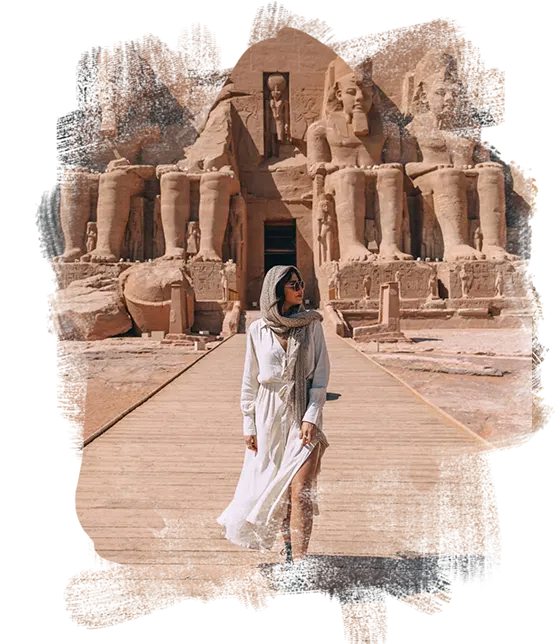
My fiancé and I booked a private 5-day tour of Egypt with Aten Tours, covering Cairo, Aswan, Abu Simbel, and Luxor. From the moment we arrived, everything was perfectly organized. The team took care of every detail, making our trip completely stress-free. Our guides were knowledgeable, friendly, and passionate about Egypt's history, and every destination exceeded our expectations. Even after returning home, we still find ourselves talking about this unforgettable experience. We highly recommend Aten Tours to anyone looking for a well-planned and memorable trip to Egypt.
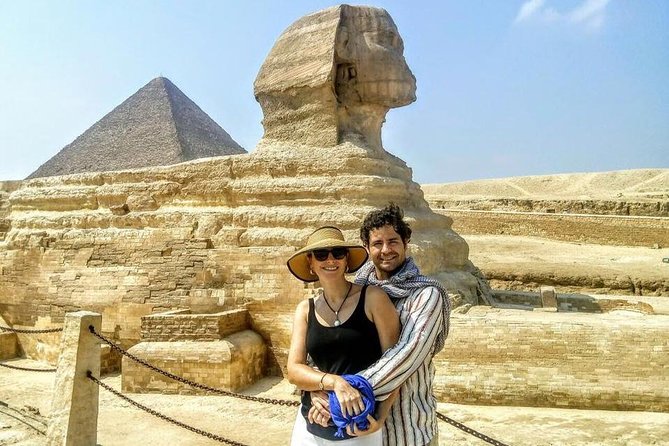
Traveling with Aten Tour made our vacation completely stress-free. Every hotel, transfer, and excursion was exactly as promised, and the team was always available whenever we had a question. We really appreciated the personal attention and warm hospitality throughout the trip. We came home with unforgettable memories and would definitely recommend Aten Tour to anyone planning a trip to Egypt.
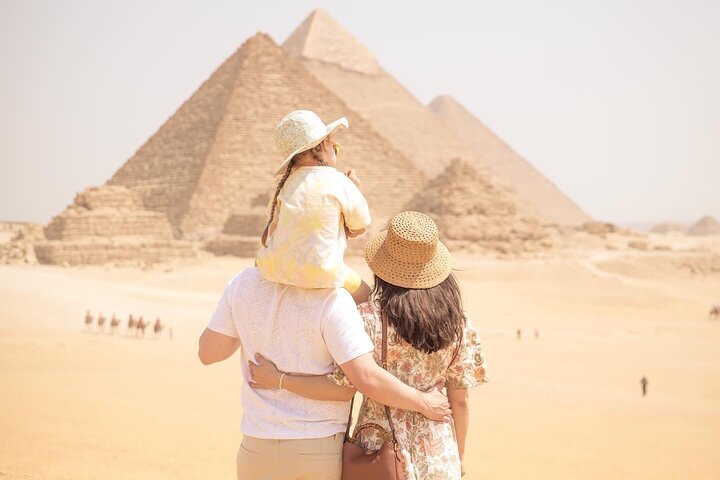
We booked an 8-day trip with Aten Tour, and it turned out to be one of our favorite vacations. Everything was well organized from start to finish, which made traveling around Egypt really easy. We never felt rushed, the hotels were great, and the team was always helpful whenever we needed anything. Egypt had been on our bucket list for a long time, and we're so glad we chose Aten Tour for this experience.
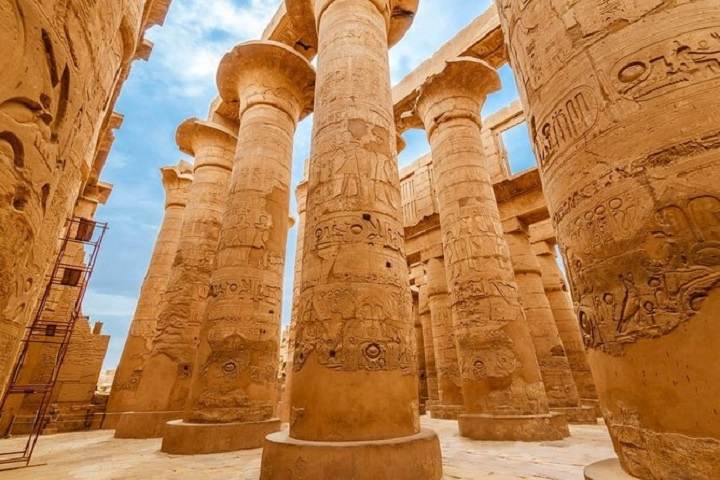
Our family booked a tour with Aten Tour after reading several positive reviews, and they definitely lived up to our expectations. Communication before the trip was quick and helpful, and everything during the tour was exactly as described. The hotels were comfortable, the transportation was smooth, and the guides made every stop interesting with their stories and local knowledge. Egypt had always been a dream destination for us, and this trip made it even more memorable.
.png "dfwfdsa")
.png "fadsfwqerf")
.png "fdfdasfa")
.png "logo5")
.png "logo2")