Abu Al-Abbas Al-Mursi Mosque: Why Alexandria's Most Famous Mosque Keeps Getting Rebuilt
What Is Abu Al-Abbas Al-Mursi Mosque?
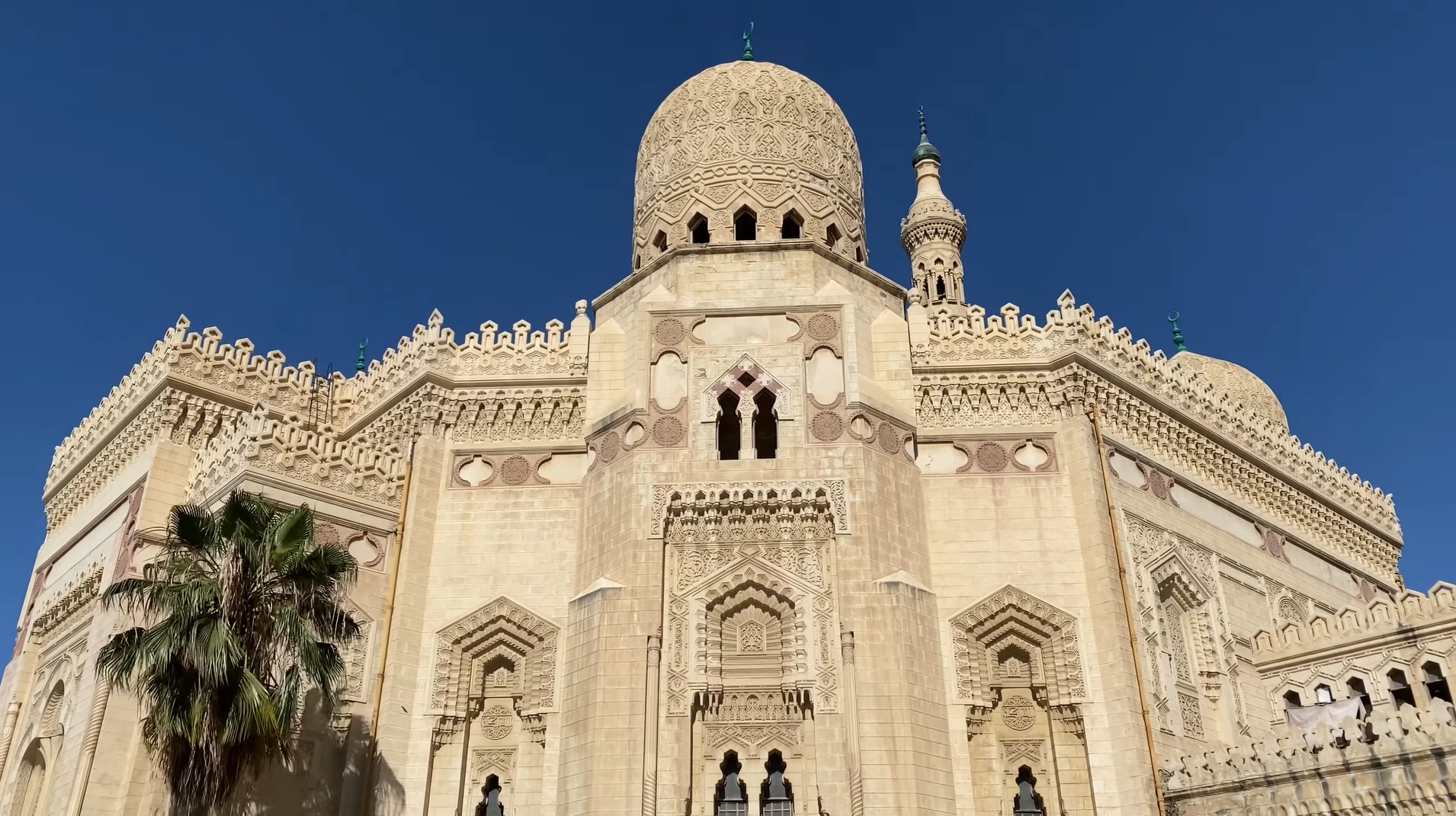
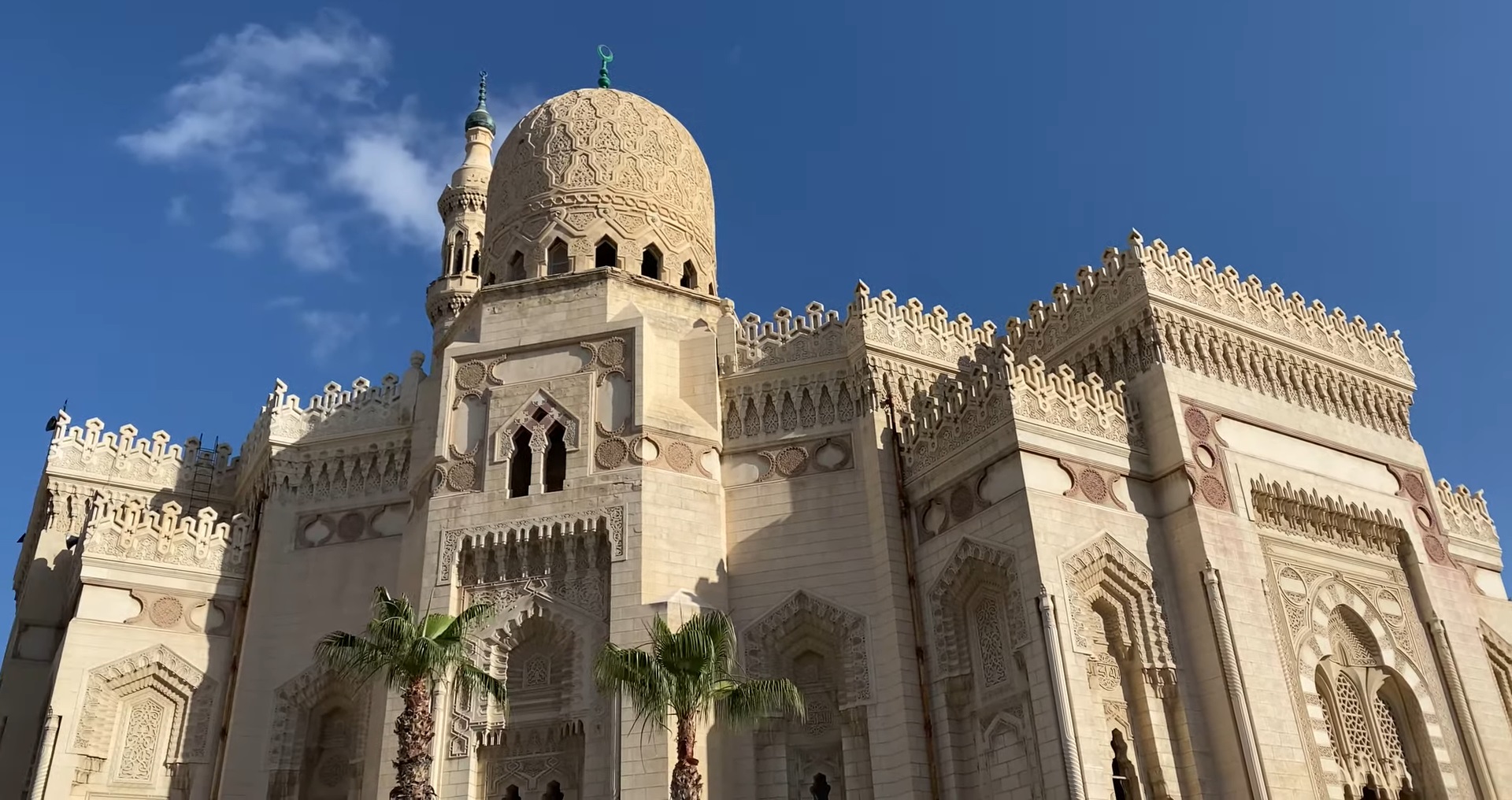
You'll find it right on Mosque Square in Anfoushi, close enough to the water that boats coming into the eastern harbor can see it. It's built over the grave of a 13th-century Sufi saint. Ask pretty much anyone in Alexandria and they'll tell you it's the most important mosque in the city, no contest.
There are actually four other mosques on the same square, all clustered together. But this is the one people mean when they say "the mosque." The cream dome and the tall minaret stick out over the whole neighborhood, so once you've seen a photo, you'll spot it from blocks away.
Who Was Abu Al-Abbas Al-Mursi?
He was born in 1219 in Murcia, back when that part of Spain was still Islamic territory. Christian forces kept pushing south, his family fled to North Africa, and by 1242 he'd landed in Alexandria for good.
He took over the Shadhili Sufi order and taught there for decades. People kept gathering around him, and by the time he died in 1286, his grave had already become somewhere people made a point of visiting. That habit never really stopped. He's one of Egypt's four master saints, and pilgrims still show up at his tomb today.
Three Buildings, One Site
Here's something most write-ups skip over: this isn't one old building. It's three, stacked on top of each other's history.
First came a small mausoleum, paid for by a merchant not long after the saint died, somewhere around 1307. That got too small, so a bigger mosque replaced it in 1775. Then in the 1940s, King Farouk hired an Italian architect, Mario Rossi, to tear it down again and rebuild it in a style pulling from Morocco and Andalusia. Finished 1943. That's the one you'll actually walk into. So if you see one site say "1775" and another say "1943," they're not wrong, they're just talking about different chapters of the same address.
Architecture and Design
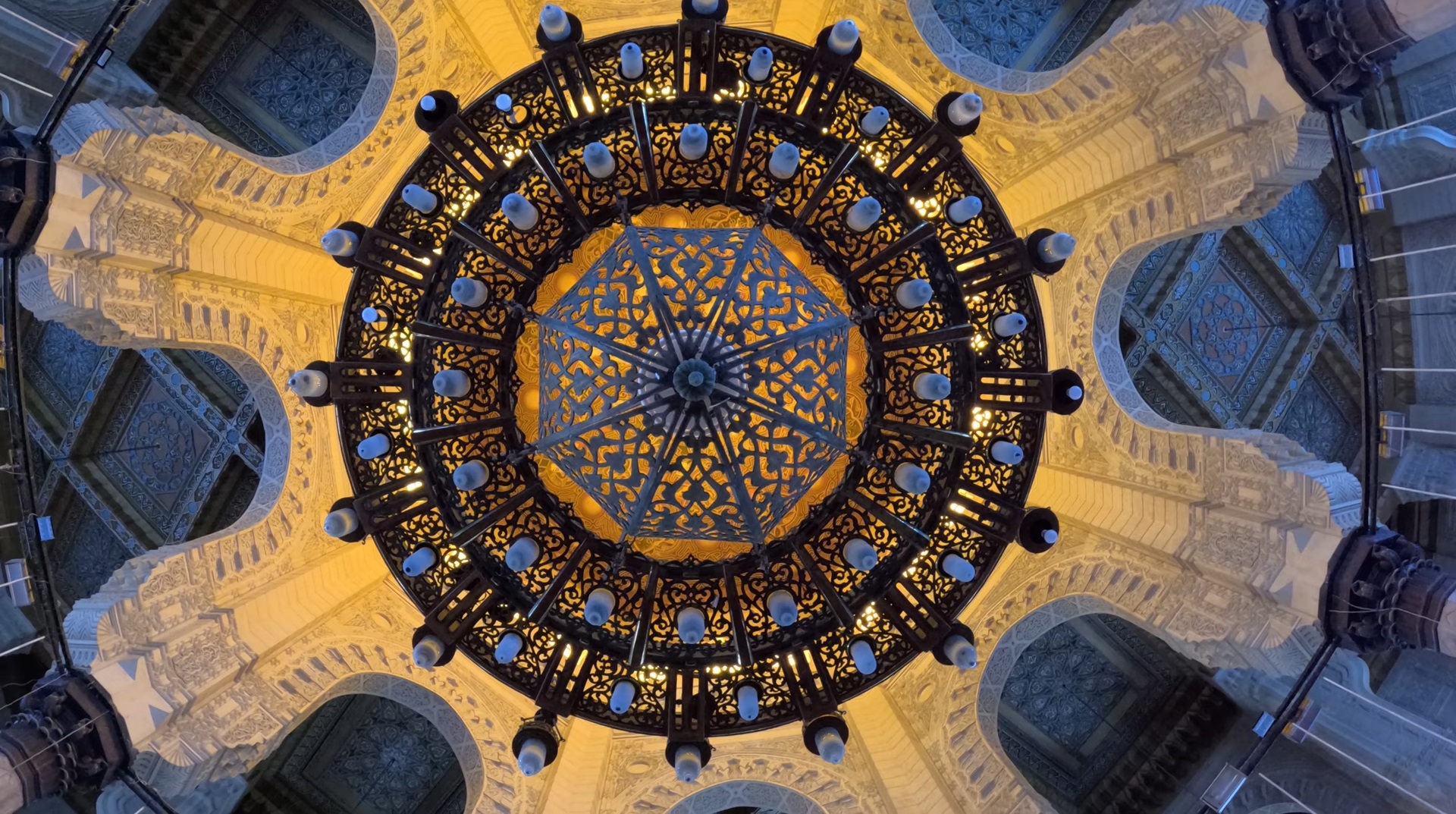
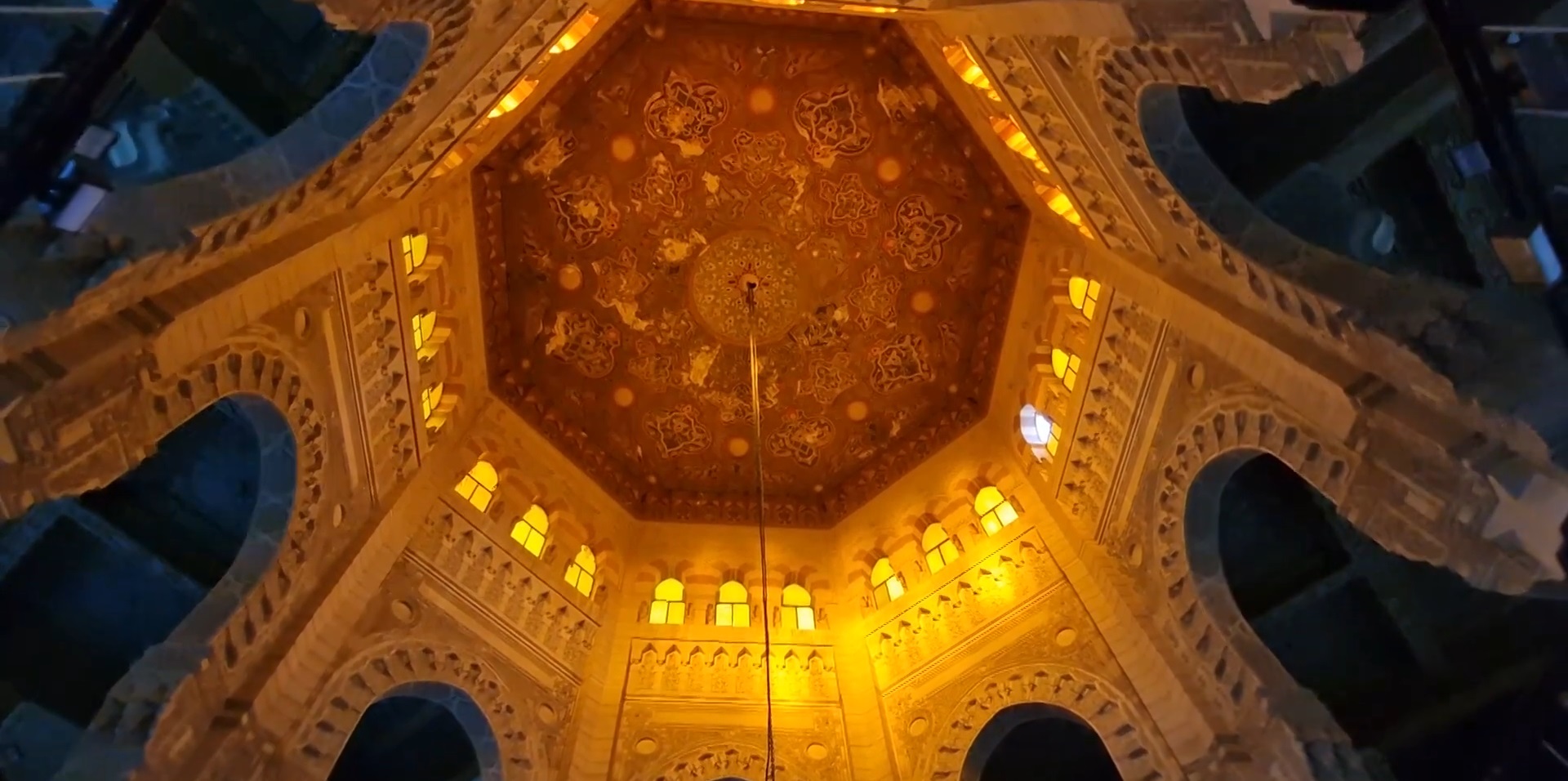
It's octagonal. About 23 meters at the main body, with the minaret shooting up past that, close to 73 meters. Inside, the columns are done in marble with copper accents, and there's a mosaic band running around the walls that's taller than you'd guess from photos, over five meters in spots.
Under the central dome sits the tomb itself, covered in green cloth stitched with verses from the Quran, with several of his students buried nearby. It's easy to forget, standing there, that this is still a working mosque and not just something to look at.
The Annual Moulid
Once a year, the mosque throws a moulid for the saint's birthday, and "throws" is the right word. This isn't a quiet ceremony. Thousands of people turn up. Chanting, processions, prayer stretching late into the night, the whole street outside gets swallowed up in it for days.
There's a smaller, quieter version of this every week too, Thursday evenings, when people gather for dhikr, that rhythmic Sufi chant-and-prayer thing. You can watch from the sidelines even if you're not joining in.
Visiting Practicalities
No entry fee. No ticket, no booking ahead. It's open roughly 8 to 6 most days, though that window shifts around Ramadan and other holidays, so check first if your timing lands near either.
Cover up before you go in. Hair, arms, legs for women; long sleeves and pants for men. Forgot a scarf? They usually have spares by the door. Shoes come off before the prayer hall. Try to time your visit around the five daily prayers rather than during them, and if prayer happens to start while you're inside, just step back and wait quietly. Nobody's going to ask you for a donation, but leaving one on your way out is a decent thing to do.
What's Nearby
Qaitbay Citadel is a short walk, sitting where the old Lighthouse of Alexandria used to stand. Bibliotheca Alexandrina is a bit further along the Corniche, still an easy walk or a quick tram ride. Montaza Palace is a different story: it's on the opposite side of the city, so that one calls for a taxi rather than a stroll.
The mosque's right in Anfoushi too, by the water, so it fits naturally into a stroll past the fish market and along the waterfront rather than needing its own separate trip.
Is It Worth Visiting?
Yeah, easily. People who couldn't care less about Islamic architecture still stop to photograph this place. Go inside and it holds up just as well, the columns, the mosaics, standing under that dome right above the tomb hits differently than seeing it from the square.
Pair it with Qaitbay Citadel and you've got a solid stretch of an Alexandria day without much walking back and forth. Aten Tours' Alexandria day tours usually swing through here alongside the citadel and the Corniche, with a guide who can fill in the saint's story and explain why this building's been knocked down and rebuilt as many times as it has.