Alexandria National Museum: The Full Story of Alexandria in One Building
What Is the Alexandria National Museum?
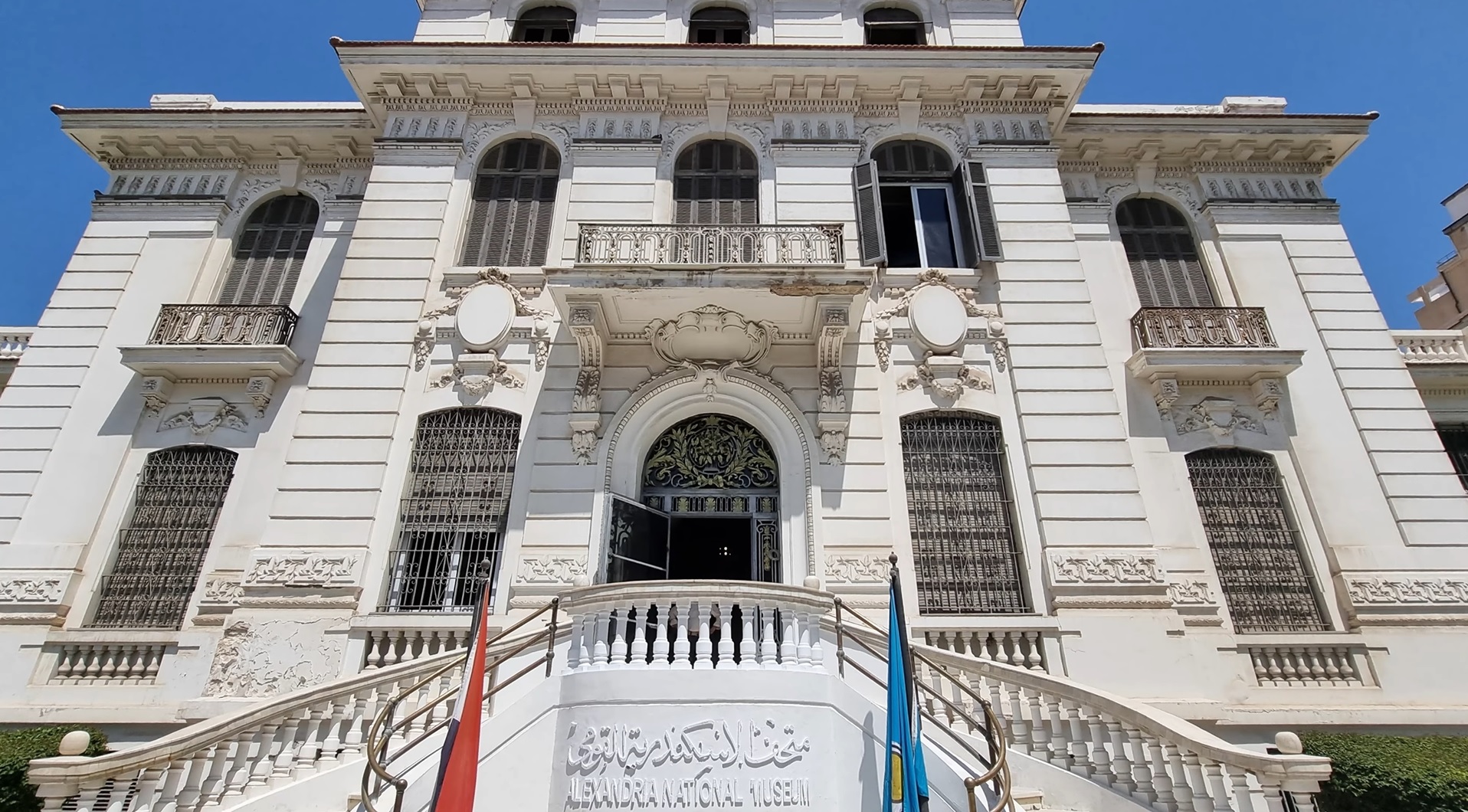
It’s a former Italian consulate building on Horreya Avenue that got converted into a museum and opened in 2003. While Alexandria has older, more famous museums, this is the only one that attempts to tell the city’s entire history under one roof. The collection is split across three floors, moving roughly chronologically: basement for the Pharaonic era, ground floor for the Greco-Roman period (the city’s biggest chapter), and the first floor for Coptic, Islamic, and modern Alexandria, right up to King Farouk’s belongings.
If you spend a morning here, the rest of the city makes more sense. You walk into the Greco-Roman exhibits and suddenly realize why the Catacombs of Kom El Shoqafa look the way they do, or why you keep seeing Coptic crosses next to Islamic motifs on the same old buildings downtown. It connects the dots that most Alexandria itineraries leave disconnected.
The Three Levels: How the Museum Is Organized
The layout is straightforward: you start at the bottom and work your way up. Each floor covers a distinct era, so you’re not jumping back and forth in time.
Basement: The Pharaonic Era
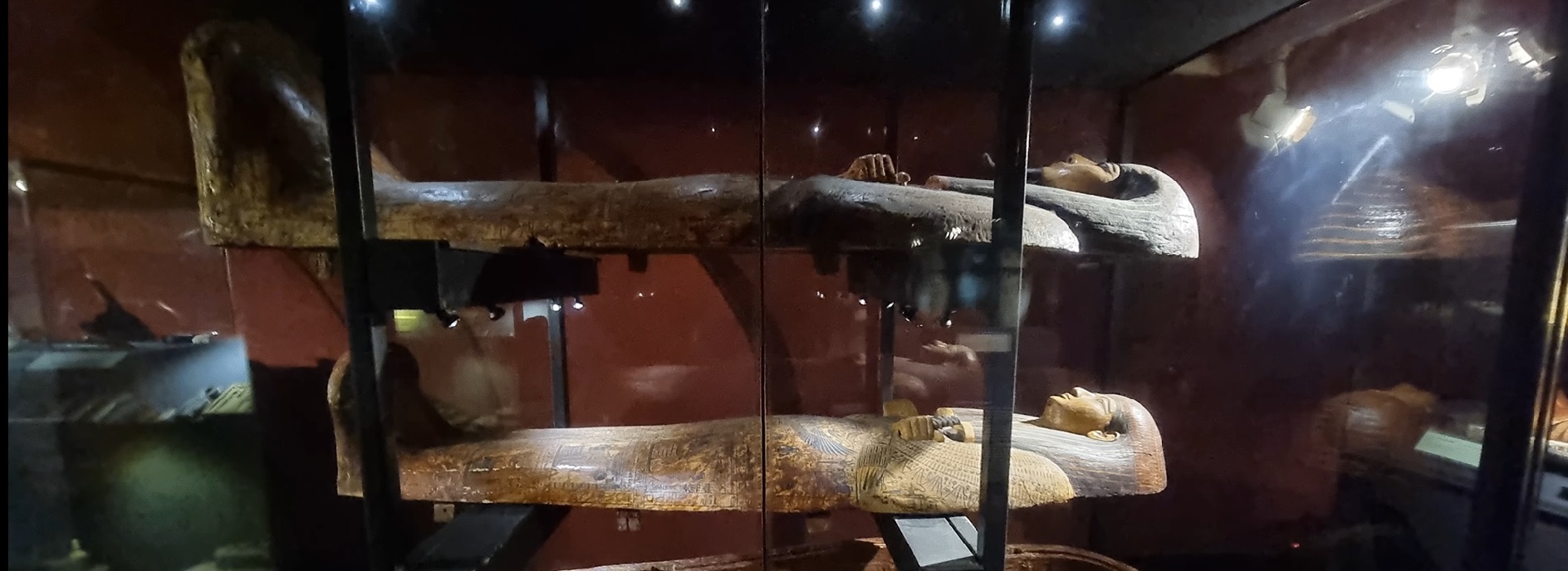
This might feel out of place in a city famous for Greek and Roman ruins, but it’s here for a reason. Alexandria was built on top of an older Egyptian settlement, Rhakotis. The basement holds statues, sarcophagi, and everyday objects from before Alexander the Great ever showed up. It’s a quiet reminder that the city’s roots are older than its name.
Ground Floor: The Greco-Roman Period
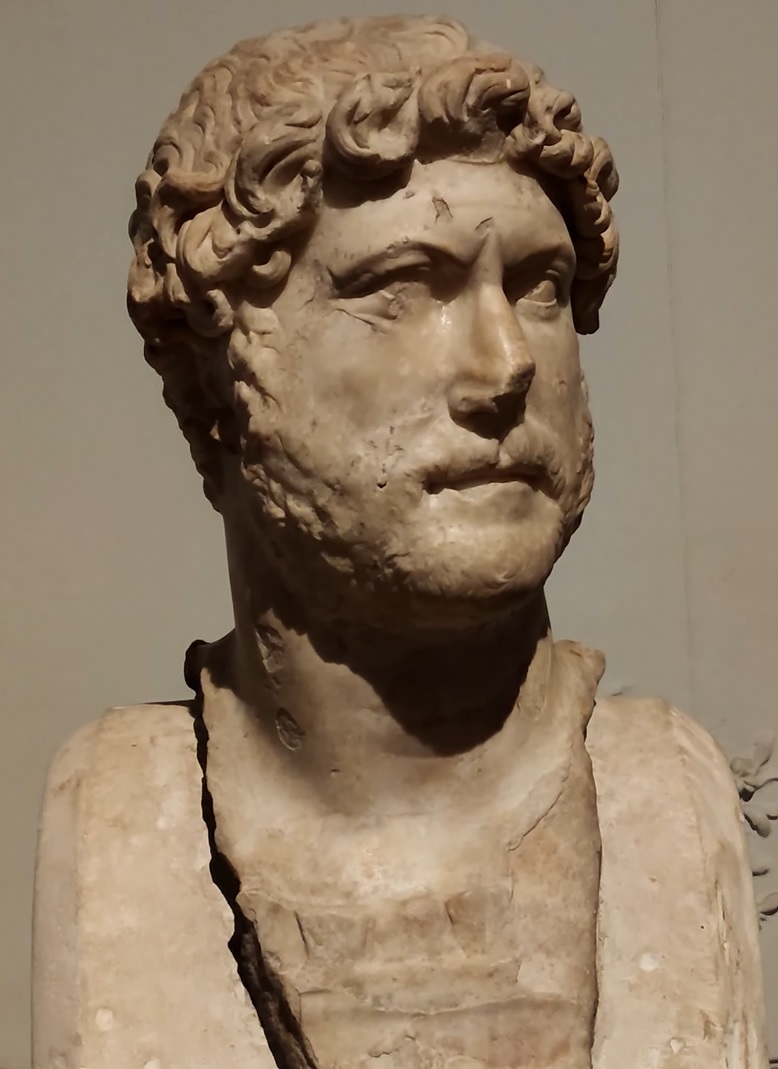
This is the biggest section and the one most visitors spend the most time in. The collection includes busts of Roman emperors, Tanagra figurines (those small, painted clay statues of women that are surprisingly detailed), and a striking bust believed to be Cleopatra VII. You’ll also see artifacts pulled from the harbor—remnants of the old Lighthouse of Alexandria and the royal quarter, recovered by divers over the last few decades. This floor alone explains why the city’s underwater archaeology gets so much attention.
First Floor: Coptic, Islamic, and Modern Alexandria
The top floor brings the story into the city you actually see today. You move past Coptic textiles and icons, into Islamic-era ceramics and brass work, and end up face-to-face with items from the modern monarchy—King Farouk’s walking stick, his grooming kit, even a gold-braided ceremonial outfit. It’s a strange jump from ancient shards to a king’s razor, but it successfully lands you in the 20th century.
Highlights: What You’ll Actually Stop to Look At
Museum layouts can blur together after a while, but a few pieces here tend to make people stop and stare a little longer.
The Cleopatra Bust: Found in the harbor area, this is one of the museum’s most debated pieces. Some scholars argue it’s Ptolemaic but not necessarily Cleopatra VII; the museum presents it as hers. Regardless of the debate, it’s one of the few attempts in Alexandria to show you what the city’s most famous ruler might have actually looked like, rather than just her profile on a coin.
The Underwater Finds: Even if you’ve never followed the news about Alexandria’s sunken royal quarter, seeing the blocks and statues hauled up from the seafloor makes it real. Giant granite blocks from the ancient lighthouse, statues of Ptolemaic pharaohs, and pieces of the royal palace—these are the artifacts that divers and archaeologists spent decades pulling out of the water right in front of Qaitbay Citadel. It puts the harbor you’ve been driving past into a completely different light.
The Tanagra Figurines: These are small, painted clay figures of women from the Greco-Roman period, and they’re oddly charming. The details on the dresses and hairstyles are so precise that they feel modern. They’re one of the few things in the museum that show you the everyday style of the time, not just the grand political or religious pieces.
King Farouk’s Personal Items: Seeing a monarch’s walking stick and grooming kit behind glass is a sharp contrast to the mummies and Roman busts downstairs. It’s a reminder that Alexandria’s history doesn’t stop at the ancient world; it runs straight into the 20th century, and the monarchy era is a massive part of that.
Visiting Practicalities
The museum is on Horreya Avenue (formerly Fouad Street), in the middle of the city, so it’s an easy add-on to almost any Alexandria day.
Hours and Tickets: It generally opens from 9 AM to 5 PM, but closing times in Egypt can shift without much warning, especially around Ramadan or public holidays. Foreign visitors pay a higher entrance fee than locals (expect it to be in the range of 150–200 EGP, though ticket prices in Egypt adjust frequently, so check the current rate at the gate). You buy tickets at the entrance; there’s no need to book ahead.
Photography: Good news for your phone camera: you can take photos inside, but strictly without flash. The flash damages the ancient pigments, so just keep it off and you’re fine. Any actual camera (DSLR, point-and-shoot, or anything with a tripod) isn't allowed without special permission.
How Long to Spend: Most people move through the three floors in about 60 to 90 minutes. If you read every placard, you could stretch it to two hours, but the labels are fairly brief, so unless you’re deeply into the specifics of each era, an hour and a half is realistic.
Getting There: If you’re already visiting the Roman Theatre at Kom El Dikka, the museum is roughly a 10-minute walk away. If you’re coming from the Corniche or Qaitbay Citadel, it’s a short taxi ride.
What's Nearby?
The museum sits right in the heart of the city, so you’re not stranded in a remote district after you leave.
The Roman Theatre at Kom El Dikka: This is the most logical next stop. It’s barely a 10-minute walk away, and since the museum just explained Alexandria’s Greco-Roman chapter, walking through the actual theatre ruins right afterward makes the history stick a lot more. You can easily do both in a single morning.
Stanley Bridge: If you want a break from history and just want to see how the city lives today, Stanley Bridge is a short taxi ride along the Corniche. It’s the modern postcard shot—the sea, the curve of the bridge, the cafes. Best saved for late afternoon when the light drops and the heat eases up.
Qaitbay Citadel: A bit further along the Corniche, but still an easy taxi ride. The citadel sits where the ancient lighthouse stood, and if you just saw the lighthouse blocks downstairs in the museum, standing on the exact spot they came from adds a layer you wouldn’t get otherwise.
Is It Worth Visiting?
Yeah, but with one caveat: it’s not the kind of museum that knocks you out with a single massive showpiece, like the Egyptian Museum in Cairo with Tutankhamun’s gold. The appeal here is the narrative. If you want to walk through a single building and come out understanding how Alexandria went from a small Pharaonic settlement to a Greek capital, then a Roman port, then a Coptic and Islamic city, and finally a modern Mediterranean one—this does that job perfectly.
Go before you hit the ruins, not after. If you see the Catacombs of Kom El Shoqafa or the Roman Theatre first, you’ll appreciate them, but you’ll appreciate them a lot more if you’ve already seen the artifacts and the timeline that explain why they exist in the first place.
If figuring out the logistics of moving between these sites sounds like a hassle, Aten Tours' Alexandria day tours handle the transport and the routing with a private guide who can connect the exhibits you just saw to the actual ruins you’re standing in front of next. It saves you from treating the city’s history like disconnected puzzle pieces.