Best Time to Visit Alexandria, Egypt: Month-by-Month Breakdown
.jpg "alexandria-corniche-mediterranean-sea-summer")
Nobody seems to agree on when you should visit Alexandria, which is annoying when you're actually trying to plan a trip. The answer you get depends on who you ask: a tour operator will tell you October through April (because that's when foreign tourists come), a local will tell you July and August (because that's when the sea is warmest and the city comes alive), and a backpacker will tell you November (because hotel prices hit their floor).
They're all right for different reasons. The real question is: what do you actually want to do in Alexandria? If you're here for the historical sites, the sweet spot is spring or autumn. If you want to swim, summer is your only real window. If you want to avoid crowds and save money, winter has its merits despite the chilly water.
Here's the breakdown by season, with actual numbers so you can make your own call.
Spring (March to May): The Compromise
This is the season most travel guides point to, and for good reason. Daytime highs sit around 20–25°C in March and climb toward 30°C by May. Nights are cool enough that you'll want a light jacket in March but won't need one by May. The humidity hasn't built up yet, so the heat feels dry and manageable.
The sea in March is still cold — around 17–18°C. If you're planning to swim, wait until May, when the water reaches 23–24°C and is genuinely comfortable. April is the in-between month where the air is warm enough for the beach but the sea hasn't quite caught up.
Crowds start picking up around Easter (both Western and Coptic), which can fall anywhere from March to April depending on the year. Hotel prices are moderate — higher than winter, lower than summer. If you're coming from Cairo for a day trip, spring is the most comfortable time to walk between the historical sites without baking.
One thing to watch for: sandstorms (khamsin) can blow through in April and May. They don't last long — usually a day or two — but they coat everything in fine dust and make outdoor sightseeing unpleasant while they last. Check the forecast before you commit to a specific day.
Summer (June to August): Hot, Crowded, and the Best Swimming
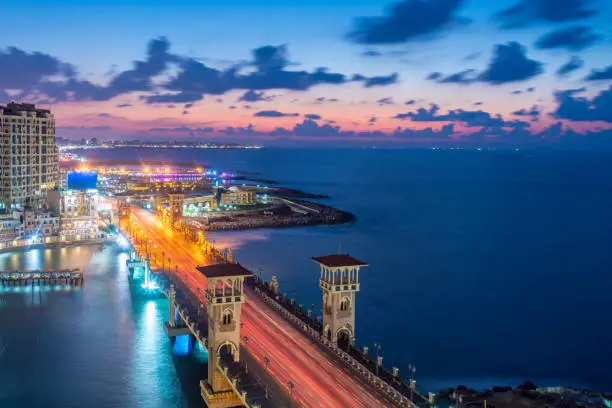
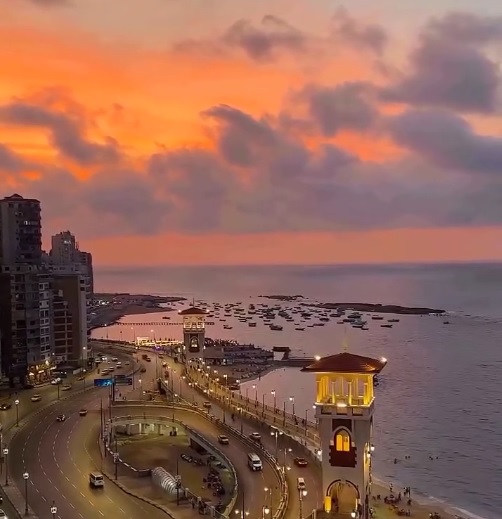
Here's the thing about summer in Alexandria that nobody in Cairo will tell you: it's their escape hatch. When the capital is pushing 40°C and the Nile Valley is brutal, Alexandrians head to the coast. The Mediterranean breeze keeps things marginally more bearable — daytime highs hover around 28–30°C, which sounds fine until you factor in the humidity. It sits at 70–80% through the summer months, and that makes 29°C feel much heavier than the same temperature in dry air.
But the sea. From June through August, the Mediterranean sits at 25–27°C. This is when swimming is at its best — warm enough to stay in the water for a long time without shivering, and the beaches are the main draw. If your trip is about beach time, summer delivers.
The catch is the crowds. Egyptian domestic tourism floods Alexandria on summer weekends and public holidays. Hotels along the Corniche and in Montaza fill up, prices spike, and the popular beaches get packed. If you're visiting on a weekday in July or early August, it's manageable. Hit the same spots on a Friday or a public holiday, and you'll wonder why you came.
Ramadan moves through the seasons (it shifts earlier by about 11 days each year since it follows the lunar calendar), so some summers it falls during the heat and some years it doesn't. When Ramadan coincides with summer, the daytime energy changes — restaurants may be closed during fasting hours, but the evenings come alive with street food stalls and a festive atmosphere that's worth experiencing. When it falls in winter or spring, summer is unaffected.
For sightseeing in summer, go early. The Bibliotheca Alexandrina, Qaitbay Citadel, and the Catacombs are all more bearable at 9:00 AM than at 2:00 PM. Midday is for the beach or an air-conditioned café.
Autumn (September to November): My Pick for the Best All-Round Season
September is still warm — highs around 28°C, sea temperature around 25°C — so you can swim. The humidity starts dropping, though, and by October the air feels distinctly fresher. Daytime highs in October sit around 24–26°C, and by November they're closer to 20–22°C. Nights cool down properly, especially in November when a sweater becomes necessary in the evening.
The sea stays swimmable through October (22–24°C) and into November (20–21°C) if you don't mind slightly cool water. By late November, it's borderline.
This is when foreign tourist traffic picks up after the summer lull, but domestic crowds thin out as Egyptian schools resume and families stop weekend-tripping to the coast. Hotel prices start moderate in September (still some summer leftover) and drop through October and November. November is typically the cheapest month for hotels in Alexandria, with average rates lower than any other time of year.
The Alexandria Mediterranean Film Festival usually takes place in October or November. It's not a massive tourist draw, but if you happen to be in the city during the festival, the screenings and events add an extra layer to the visit.
If you want a single recommendation: late October. The weather is comfortable for walking around, the sea is still warm enough for a swim, the crowds have thinned, and hotels are reasonably priced. You get the historical sites, the Corniche, the food, and the beach without any major trade-off.
Winter (December to February): Quiet, Mild, and Not for Swimming
Alexandria in winter is a different city. Daytime highs range from 15–18°C, and nights drop to around 10°C — not cold by European standards, but cold enough that nobody is thinking about the beach. The sea sits at 17–18°C through these months, which is not swimmable by any reasonable definition.
Rain happens in winter. Not constantly, but more than the rest of the year. December through March sees the bulk of Alexandria's annual rainfall — which isn't a lot by global standards, maybe 200mm total, but it comes in bursts. A rainy day in Alexandria means the outdoor sites (Citadel, Corniche walks) are less appealing, though the indoor ones (Bibliotheca, museums) work fine.
The upside: winter is quiet. You'll have the historical sites to yourself compared to the summer crowds. The Corniche is peaceful in a way it never is from June to August. Hotel prices are low, though not quite as low as November (prices creep up slightly around Christmas and New Year due to foreign tourists).
What to pack: layers. A light jacket or sweater for the evening, something warmer if you're out early morning. Comfortable shoes that handle wet pavement. An umbrella, not because you'll need it every day, but because when it rains, it tends to do so properly.
Winter works if you're focused on the museums and historical sites, or if you're combining Alexandria with Cairo and the southern cities (where winter is actually the best time to visit). It doesn't work if the beach is part of your plan.
Quick Reference: What Each Month Is Actually Like
January: Cool and quiet. Daytime highs around 15–17°C. Sea too cold for swimming. Good for historical sites — you'll have them mostly to yourself. Bring a jacket.
February: Similar to January, slightly milder. Still not beach weather. The city feels unhurried. Hotels are cheap.
March: Things start warming up. Highs around 19–21°C. Sea is still cold (around 17°C). Good walking weather. Sandstorm season begins toward the end of the month.
April: Pleasant daytime temperatures (22–25°C) but sandstorms are possible. Sea starting to warm but still cool. Easter crowds can spike prices. Variable month — check conditions.
May: The first reliably warm month. Highs around 26–28°C. Sea reaches 23–24°C — swimmable. The transition month where Alexandria starts feeling like a coastal city again.
June: Summer begins. Highs around 27–29°C, humidity building. Sea at 25°C, good for swimming. Weekends start getting crowded. Go early for sightseeing.
July: Hot and humid (highs 28–30°C). Sea at 26–27°C, perfect for swimming. Peak domestic tourism. Book hotels well in advance. Weekdays are manageable, weekends are chaotic.
August: The hottest month. Highs around 30°C, sea at 27°C. Similar crowd pattern to July. If you're here for the beach, the water conditions don't get better than this.
September: Still warm but humidity starts dropping. Highs around 27–28°C. Sea still 25–26°C. Crowds thin as schools resume. A solid month for a visit.
October: Comfortable highs of 24–26°C. Sea at 22–24°C, still swimmable. Film festival may be happening. Hotels getting cheaper. Fewer tourists than summer.
November: The cheapest hotel month. Highs around 20–22°C. Sea around 20–21°C — borderline for swimming. Quiet, pleasant, good for sightseeing. My second-choice month after late October.
December: Winter sets in. Highs 16–18°C. Sea too cold. Christmas and New Year bring a small price bump. Good for museums and the Corniche on a dry day.
So When Should You Actually Go?
- You want to swim and do beach stuff: July or August. Accept the heat and the crowds — that's the price of warm water.
- You want the best all-round experience: Late October. Comfortable weather, swimmable sea, thinner crowds, reasonable prices.
- You want to avoid crowds and save money: November or February. You won't swim, but you'll see the city without fighting for space.
- You're combining Alexandria with southern Egypt (Luxor, Aswan): Winter. It's the only time the south is bearable, and Alexandria is fine for sightseeing in winter even if the beach is off the table.
- You're coming from Cairo for a day trip: Spring (March–May) or autumn (October–November). Comfortable walking weather for the historical sites.
For planning the logistics of getting there, see our guide on how to get from Cairo to Alexandria. If you need help choosing where to base yourself, check where to stay in Alexandria. For a full rundown of what to do once you're there, see our things to do in Alexandria guide.