Royal Jewellery Museum in Alexandria: What to See, Tickets, and How to Visit
What Is the Royal Jewellery Museum?
Forget everything you associate with Egyptian museums. No pharaonic sarcophagi, no mummies, no hieroglyphics. The Royal Jewellery Museum is something else entirely — it's a walk through the personal belongings of Egypt's last royal family, housed in their actual summer palace in Zizenia.
The Muhammad Ali Dynasty ruled Egypt from 1805 until the 1952 revolution, and over those 150 years they accumulated around 11,500 pieces: diamond tiaras, emerald collars, gold pocket watches, jewelled cigarette cases, royal medals, and gifts exchanged with European courts. What's unusual is that you're not walking through a conventional museum building — you're walking through the rooms where these people actually lived. The display cases sit inside bedrooms, sitting rooms, and hallways with painted ceilings and stained-glass windows. The building isn't just a container for the collection; it's half the reason to come.
The collection was locked in storage after the revolution and only opened to the public in 1986. A major restoration finished in 2010, and that's basically the version you see today.
The Palace Itself
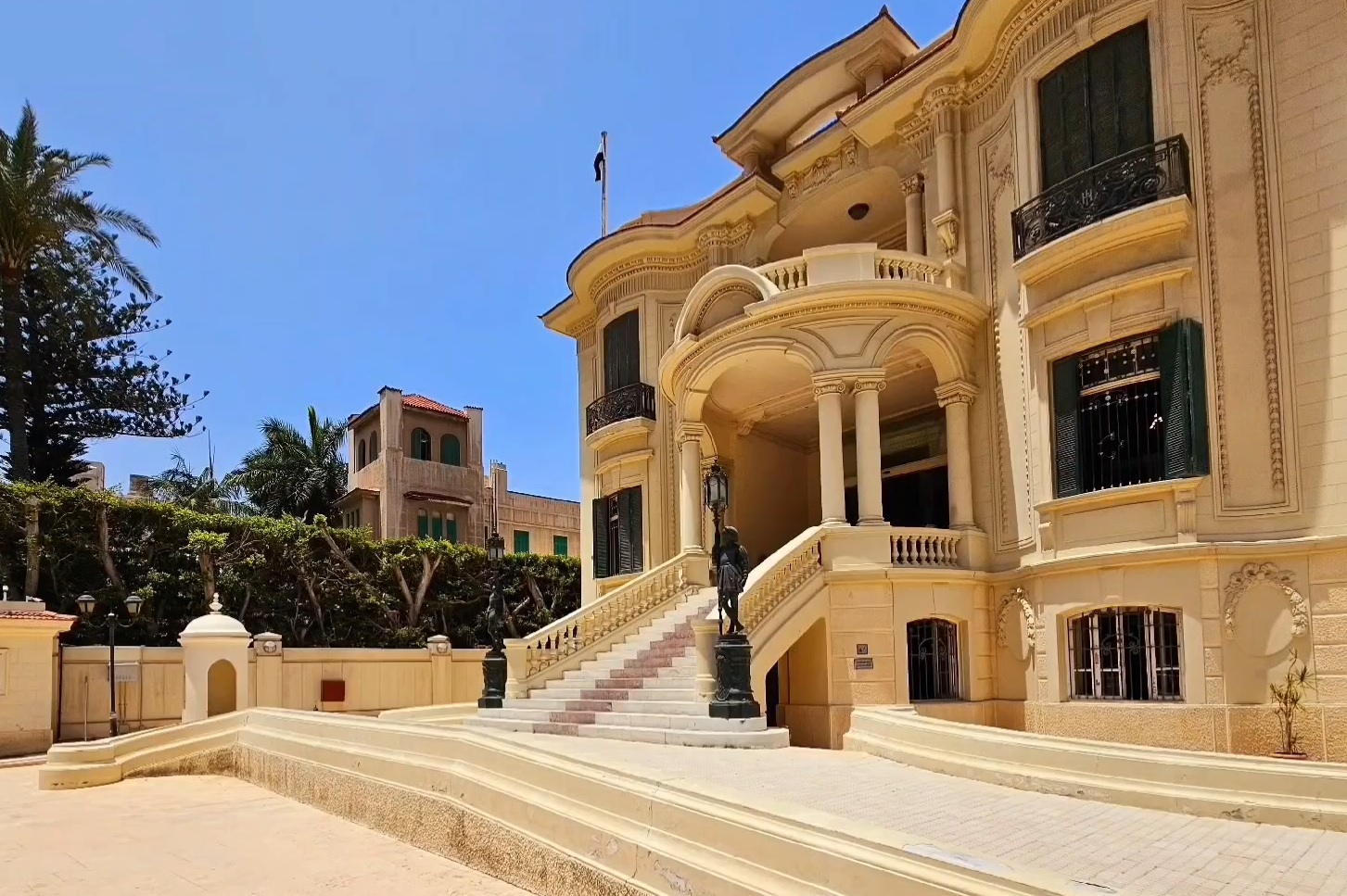
This isn't just any building. It was built in 1919 for Princess Fatma Al-Zahra', the daughter of Prince Ali Haider. Her mother commissioned the western wing; after she died, Fatma built the eastern wing and joined them with a covered corridor. The family used it as a summer residence until 1952.
What's remarkable is that Fatma was allowed to keep living here even after the revolution confiscated royal properties. She stayed until 1964, then handed the building to the government and moved to Cairo. She died in 1983 — three years before it became a museum.
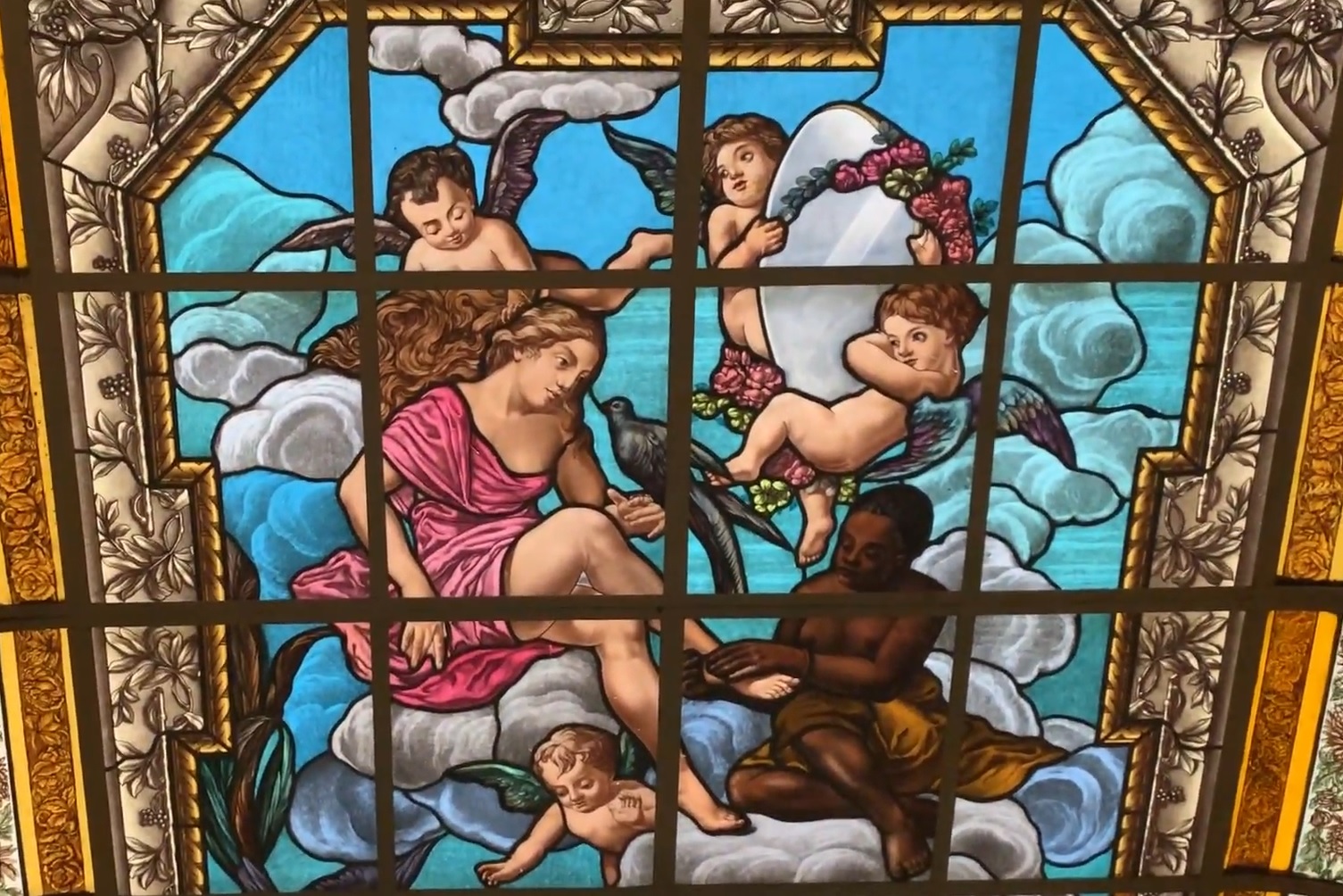
Inside, it spans 4,185 square metres over two floors, and nearly every surface is decorated. Ceilings and walls are covered in oil paintings: European landscapes, mythological scenes, floral patterns. The stained-glass windows throw coloured light into the rooms. Some of the windows depict classical figures — there's one with a woman in pink drapery surrounded by cherubs that stops people in their tracks. Honestly, even if the jewellery cases were empty, the building alone would be worth the trip.
The palace sits in Zizenia, a quiet upscale neighbourhood in eastern Alexandria. It's a few minutes by taxi from Montaza Palace and the Corniche, so it pairs naturally with either.
What's Actually Inside
The collection is spread across the palace rooms, grouped loosely by owner or period. Labels are in Arabic and English. Here's what stands out.
Muhammad Ali Pasha's Emerald Collar
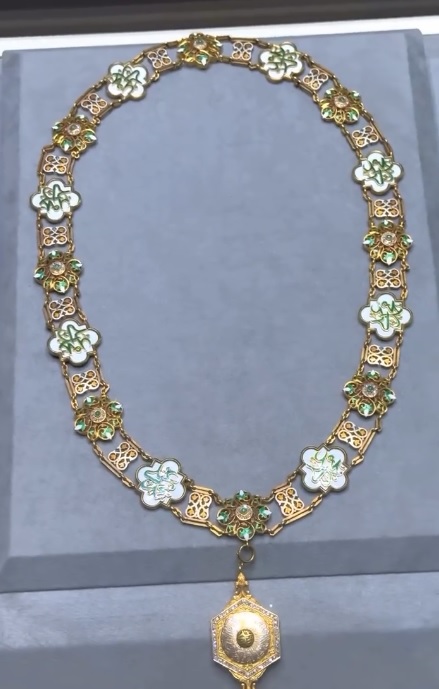
The founder of the dynasty himself owned this piece — a collar set with diamonds and emeralds. It's one of the oldest things in the museum, and the green-and-white contrast hits you immediately, even through the glass. There's something surreal about looking at something that belonged to the man who essentially created modern Egypt in the early 1800s.
King Farouk's Stuff
Farouk ruled from 1936 to 1952 and was famously obsessed with collecting. His section is large. Look out for his gold-inlaid ebony walking stick and a set of gemstone cups — sources disagree on whether the stones are sapphires or rubies, but either way, each cup is studded with hundreds of them alongside 29 diamonds. Farouk lived extravagantly, and it shows.
The Women's Jewellery
Tiaras, brooches, necklaces, earrings — diamonds, emeralds, rubies, pearls. Many pieces were worn at state dinners and royal weddings. The older pieces are heavier and more ornate; the twentieth-century ones lean toward Art Deco and show the influence of European jewellery houses like Cartier and Boucheron.
Medals and Royal Orders
Rows of medals awarded to royal family members by foreign governments. Several feature Egyptian symbols — the sphinx, the crescent and star, the lotus — worked in gold and enamel. It's a quick visual lesson in who Egypt's royals had diplomatic ties with.
Clocks and Watches
Golden pocket watches, desk clocks, decorative timepieces scattered through several rooms. Many carry Swiss and French maker's marks. They were status symbols and diplomatic gifts as much as functional objects, and the mechanical detail visible through the cases is worth a pause.
Paintings and Decorative Pieces
The palace also holds European oil paintings, portrait miniatures, and decorative objects that the family owned. Combined with the painted ceilings and the stained glass, the overall effect is more "stepping into someone's house" than "visiting a museum."
Visiting: What You Need to Know
Hours
Open daily 09:00–17:00. Ticket window closes at 16:30. Ramadan hours can change — check ahead if you're visiting during the holy month.
Tickets
Buy at the entrance. Current prices (2025):
- Foreign visitors: 220 EGP (~$4–5 USD)
- Foreign students: 110 EGP (student ID required)
- Egyptian visitors: 30 EGP
- Egyptian students: 10 EGP
Free for Egyptian seniors (60+), Egyptians with special needs, and orphaned children. Payment is by electronic card only at the ticket window.
How Much Time
An hour to an hour and a half is enough to see everything. The museum is compact — two floors, not enormous — but the craftsmanship in both the jewellery and the building rewards slowing down. Photography inside is restricted; check the current rule at the entrance.
Getting There
27 Ahmed Yahya Street, Zizenia, eastern Alexandria. From Cairo, it's about three hours each way — doable as a day trip. Check our how to get from Cairo to Alexandria guide for transport options.
In Alexandria, it's a short taxi or Uber ride from the Corniche and from Montaza Palace. The two royal sites — this museum and Montaza Palace Gardens — are close enough to do back-to-back in a morning or afternoon. Each takes about the same amount of time, so it works well as a pair.
When to Go
Here's the thing: this museum is never really crowded. Even in peak season, you'll likely share it with just a few other people. Weekday mornings are the quietest. In summer (June–August), the AC makes it a great midday escape between outdoor stops like the citadel and the Corniche.
So Is It Worth It?
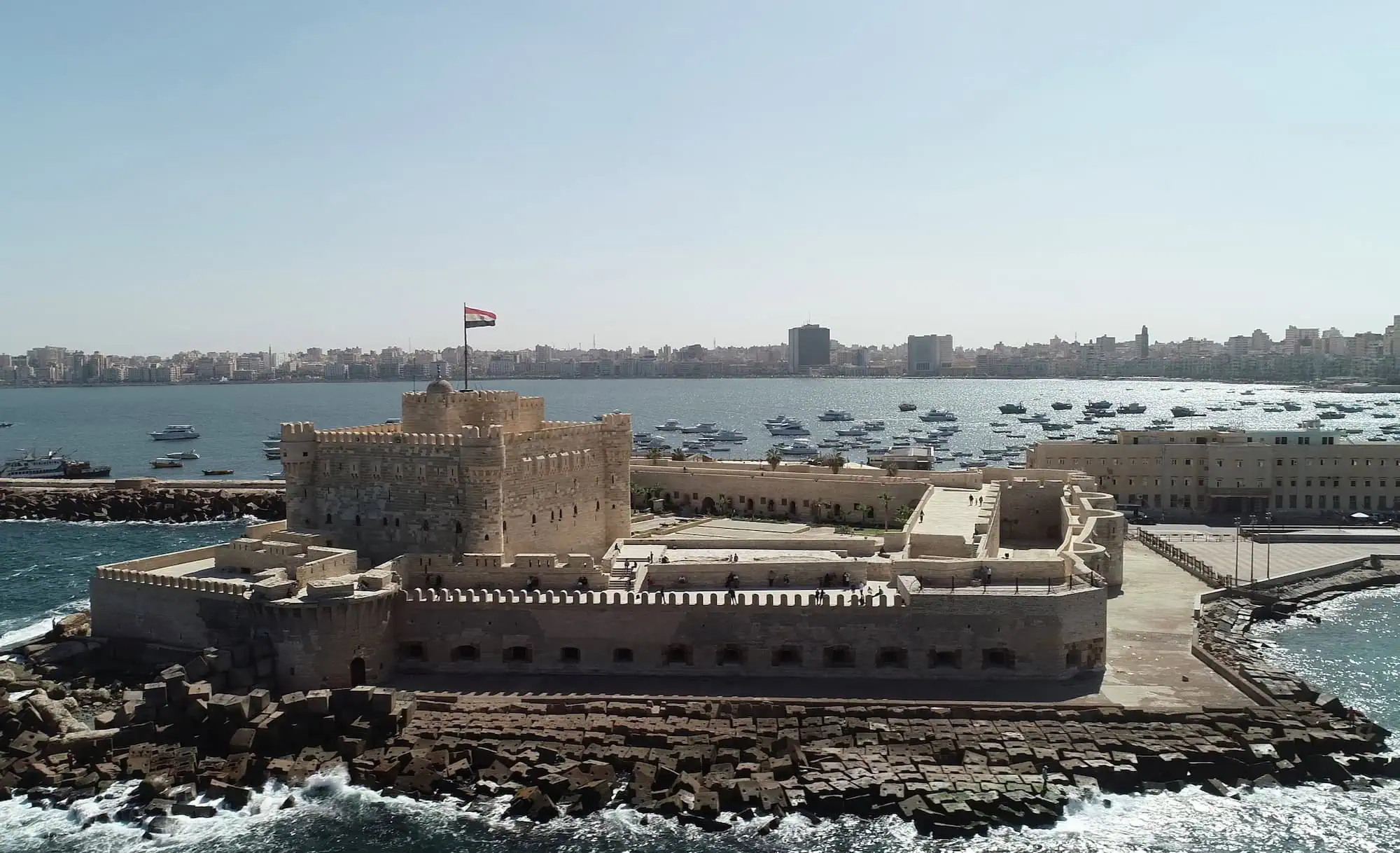
Most people come to Alexandria for the ancient stuff — the catacombs, the citadel, the Roman theatre. The Royal Jewellery Museum tells a different story. It covers the 150 years between the pharaohs and the republic, a period that Cairo's big museums mostly skip. And telling it through personal objects — someone's necklace, someone's walking stick, someone's pocket watch — inside their actual house, hits differently than walking through rows of artefacts in a glass-case hall.
It won't replace the catacombs or the citadel on a first-time visitor's list. But if you have a full day, or if you're staying overnight, this museum is one of the most memorable things you can do in Alexandria. For 220 pounds and an hour of your time, the combination of the jewellery and the palace interior is hard to beat.