Museum of Islamic Art Cairo: Explore Islamic Heritage and Masterpieces
Museum of Islamic Art Cairo: A Journey Through Islamic Heritage and Artistic Excellence
The Museum of Islamic Art Cairo is one of the most remarkable places to go if you care about history, culture, building design, and the long tradition of artistic craft. It sits in the heart of Cairo, and it holds an extraordinary collection of Islamic treasures, stretching across centuries of creativity across the Islamic world.
You can wander from rare manuscripts, to ceramics that are decorated in such a calm and detailed way, then to historic textiles, metalwork, and even architectural pieces. Honestly it feels like a special opening where you can see what Islamic civilizations managed to create, and also how that shaped global art, and broader culture.
Whether you are a history enthusiast, an art lover, or a traveler exploring Egypt, a visit to this museum provides an unforgettable experience.
The History of the Museum of Islamic Art Cairo
The Museum of Islamic Art was set up to protect and display the artistic achievements of Islamic civilizations. The collection shows a wide diversity of Islamic cultures, from places like Egypt, Persia, Turkey, Spain, India, and Central Asia, and it keeps that whole range of influence visible.
Over the years, the museum has become an important cultural institution , focused on safeguarding Islamic heritage and giving visitors a better understanding of the artistic and scientific contributions made by Muslim civilizations.
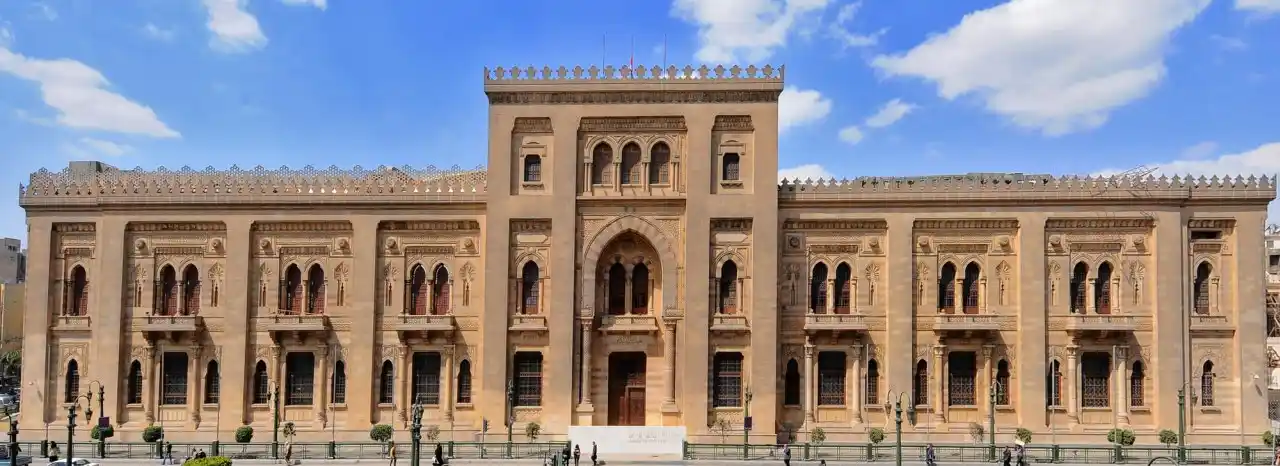
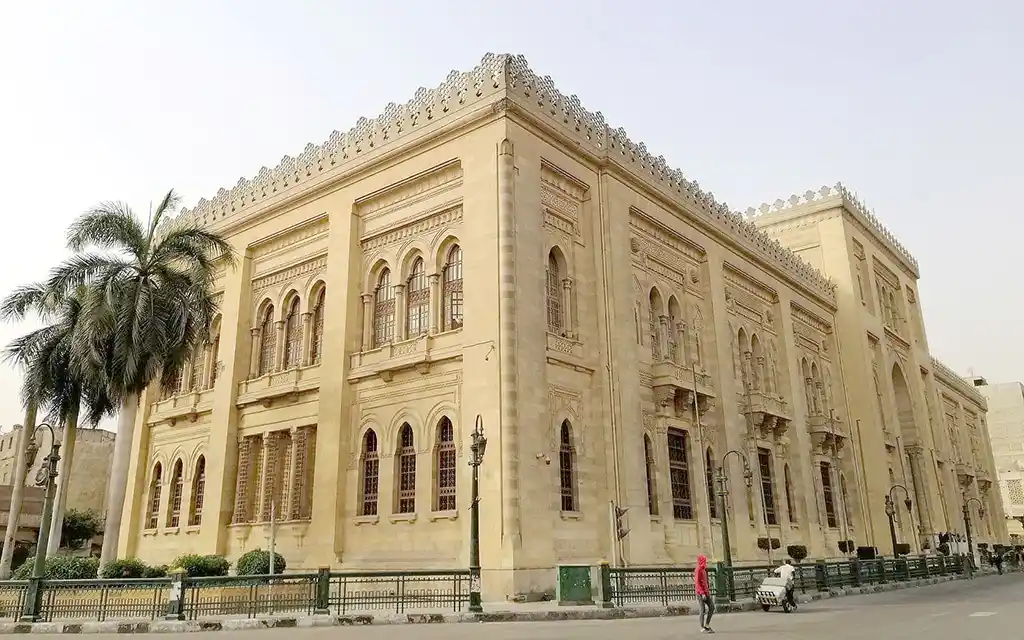
Also the building itself, has elegant Islamic-inspired architecture and it creates this very fitting, almost quietly dramatic, setting for the priceless objects inside.
Where is the Museum of Islamic Art in Cairo?
The Museum of Islamic Art is located on Port Said Street , near Bab Al Khalq Square in central Cairo. Its location places it within the historic heart of the city and makes it an excellent addition to a cultural tour of Cairo and Cairo day tours.
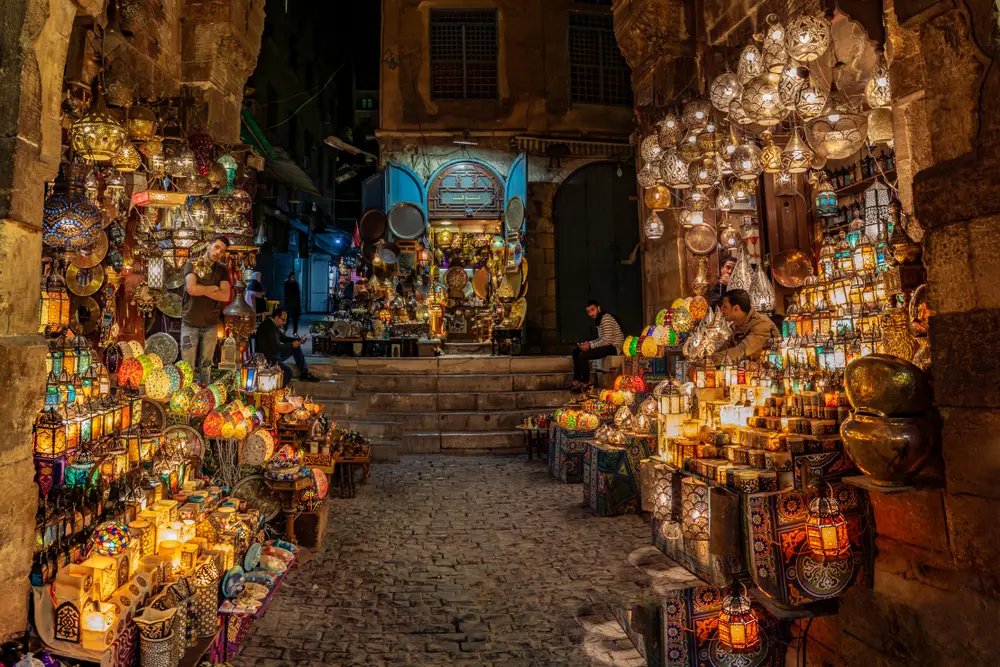
Bab Al Khalq is surrounded by some of Cairo’s most interesting old quarters, where you can wander through the city’s architectural legacy, quiet side streets, mosques, markets and other historic buildings, even if you’re just there for a short while.
That’s why the Museum of Islamic Art in Cairo becomes especially valuable for travelers who want more than the usual run-of-the-mill tourist spots.
Why visit the Museum of Islamic Art Cairo?
The museum holds one of the largest collections of Islamic art in the world. The exhibits cover different eras and regions of Islamic civilization and they show, in a very clear way the huge diversity of artistic traditions that formed across the Islamic world.
The collection covers a wide range of subjects and materials. Visitors may spot finely made wooden pieces, decorative ceramics, manuscripts, metalwork, textiles, jewellery, architectural fragments, scientific devices, and a bunch of other heritage objects.
Also, the museum spends time linking Islamic art with themes like astronomy, medicine, architecture and craft skills. So it ends up being an educational experience, as well as visually striking and honestly hard to forget.
Discover Centuries of Islamic Art and Culture
one of the most interesting parts of the Museum of Islamic Art is the diversity of its collection. Islamic civilization grew across a huge geographical area, and in different regions, people developed their own artistic styles. They used different materials, different techniques, and even separate decorative customs. The museum kind of gathers a lot of those traditions together in one place under one roof.
When you move through the galleries, you notice how artistic ideas changed over time , and also how cultures influenced each other. That happens through travel, trade, scholarship, and even political connections. It’s not just seeing pretty things. This place becomes more like a window into ordinary daily life, into knowledge, into beliefs, and into the craftsmanship and imagination of societies that helped shape Islamic history.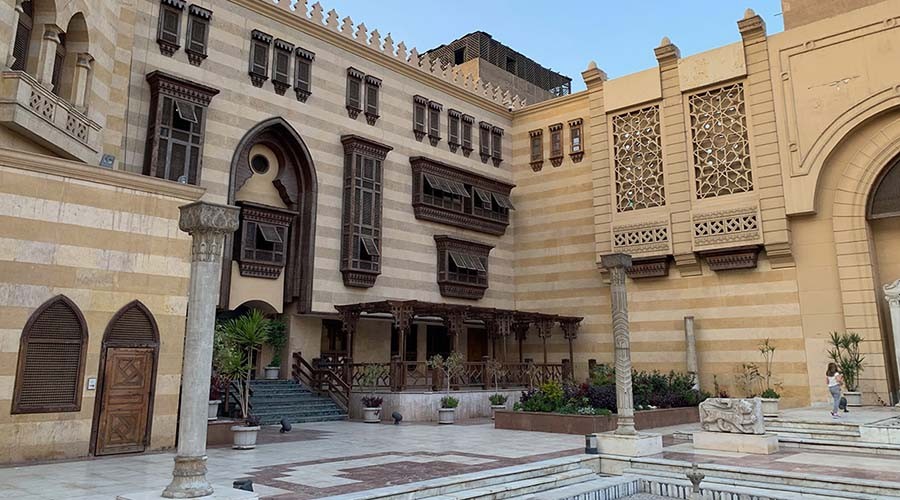
Explore the Museum’s Remarkable Collection
The collection of the Museum of Islamic Art Cairo spans many types of artistic and historical objects. Ceramics are definitely among the highlights. You can see the decoration is detailed, and the techniques are really sophisticated, showing the skill of Islamic craftsmen. Wooden objects reveal the importance of intricate carving and geometric decoration. Metalwork is also there, and it shows the technical ability of artisans who worked with both valuable and practical materials.
Manuscripts add another layer, because they reveal Islamic intellectual life and artistic traditions in a very direct way. The calligraphy and decoration show how much writing mattered, and how scholarship plus visual expression stayed connected throughout Islamic history.
The museum also includes objects tied to science and technology, which makes it pretty clear that Islamic civilization contributed a lot to areas like astronomy and medicine.
The Mamluk key to the Kaaba
One of the museum’s most striking treasures is this Mamluk key, meant for the Kaaba, in Mecca. it’s sort of amazing how something so small can still feel heavy with meaning.
The key represents the connection between Islamic art, religious heritage and political history . You can see why its placement in the museum matters because it links visitors to an object connected with one of the most sacred places in Islam.
the Ministry of Tourism and Antiquities also points out a textile ,that includes one of the oldest Kufic inscriptions among the museum’s possessions.
Together, these remarkable objects help explain why the museum is seen as a major place for keeping and sharing Islamic heritage ,without losing the story behind it.
Discover Islamic Architecture Through Museum Objects
The Museum of Islamic Art also gives visitors a way to understand how Islamic architecture developed over time.
The architectural elements on display show how decorative patterns, inscriptions, materials ,and geometric shapes were used in mosques, palaces, homes, and other historic buildings.
If you are interested in Cairo’s building style, the museum offers context first, before you head into the old city neighborhoods and streets .
After you’re done here, travelers can move on through Historic Cairo where centuries of Islamic architecture are there in the open, in the lanes, mosques, markets, and monuments of the old city.
A Different Side of Cairo
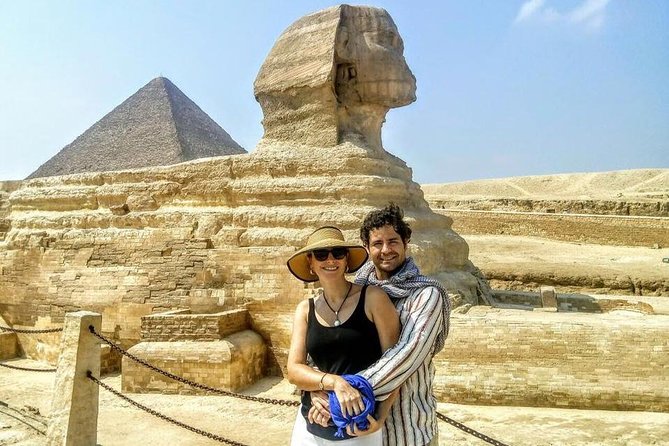
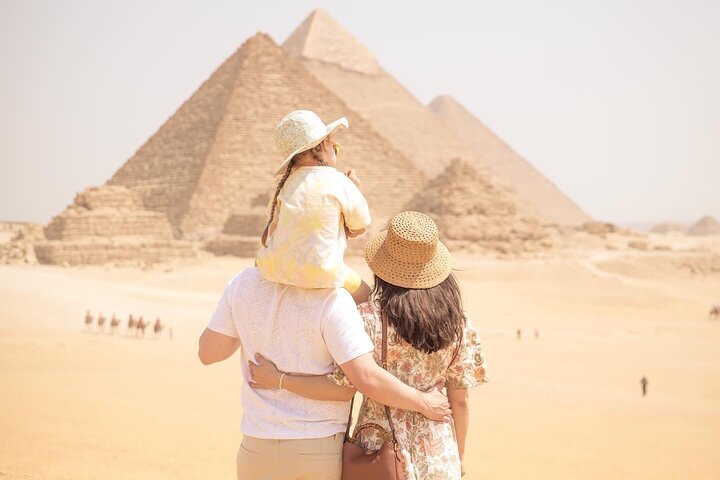
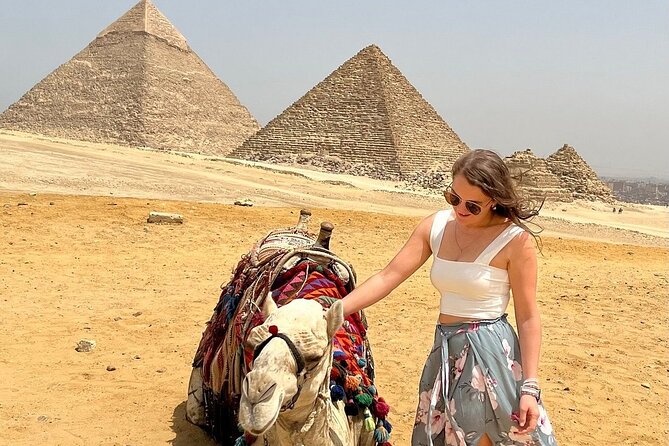
Cairo is usually linked with the Pyramids of Giza, ancient temples and pharaonic history. Those sights are a big deal and they should be on any Egypt itinerary, but the city also has another side that feels equally compelling, and sort of quietly different.
The Museum of Islamic Art in Cairo introduces visitors to a later period of Egyptian and Islamic history ,and it shows how Cairo grew into a major hub for Islamic culture, learning, architecture, and patient craftsmanship.
A visit to the museum can therefore help travelers understand the city as a place shaped by many different historical periods rather than a destination defined only by ancient Egypt.
Museum of Islamic Art and Historic Cairo
One of the easiest ways to enjoy the museum is to pair it with a broader wander through Historic Cairo.
Historic Cairo is known as a World Heritage area, and it holds an impressive density of old buildings, religious monuments, bazaars, traditional crafts, and working neighborhoods from the past. Egypt's Ministry of Tourism and Antiquities calls Historic Cairo one of the country’s most important living heritage cities, with special attention to how its historic urban fabric and traditional crafts .
This makes the Museum of Islamic Art an excellent starting point for travelers who want to explore the Islamic heritage of Cairo beyond the museum walls.
Visitor Experience and Facilities
The Museum of Islamic Art provides a few facilities designed to make the visit a bit more comfortable and, well accessible in some practical way.
On the official site there is information about a library, an elevator, Braille labels, accessible toilets, parking, a ramped entrance, and a gift shop. The museum also offers sign-language support , so that visitors aren’t left guessing.
Guests should still keep an eye on the museum guidelines about photography, food and drinks, bags, what to wear , and the way exhibits are protected.
Bigger bags and suitcases may need to be kept in the museum’s cloakroom, and some items are simply not allowed in the galleries area.
Best Time to Visit the Museum of Islamic Art in Cairo
The best time to visit depends on your Cairo itinerary and personal preferences.
Going earlier can give you extra hours to look around the collection before moving on to other attractions around the city. Visiting the museum during a full day of exploring historic Cairo can also feel like a good strategy , because it helps you link what you see inside with the architecture and the districts outside.
If you plan to take photos, it’s smart to check the museum’s current photography rules first, and then follow everything the museum staff says at the entrance.