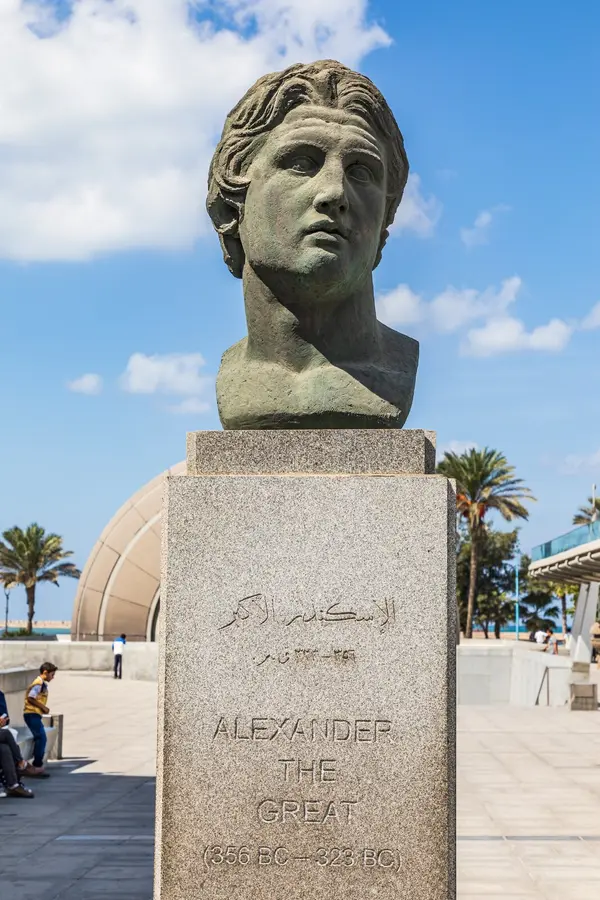
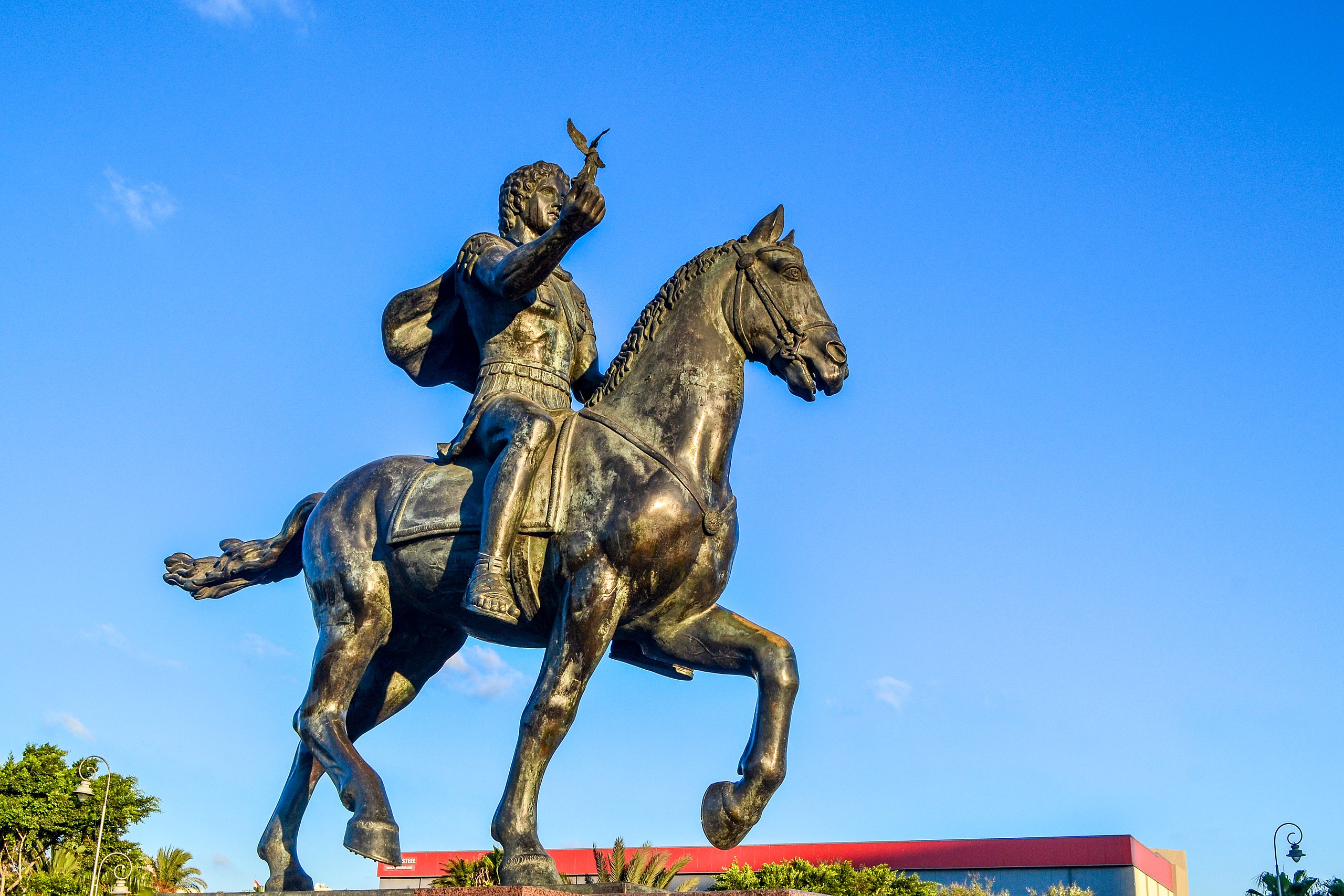
Alexander the Great in Egypt: Conquest, Alexandria, and the Siwa Oracle
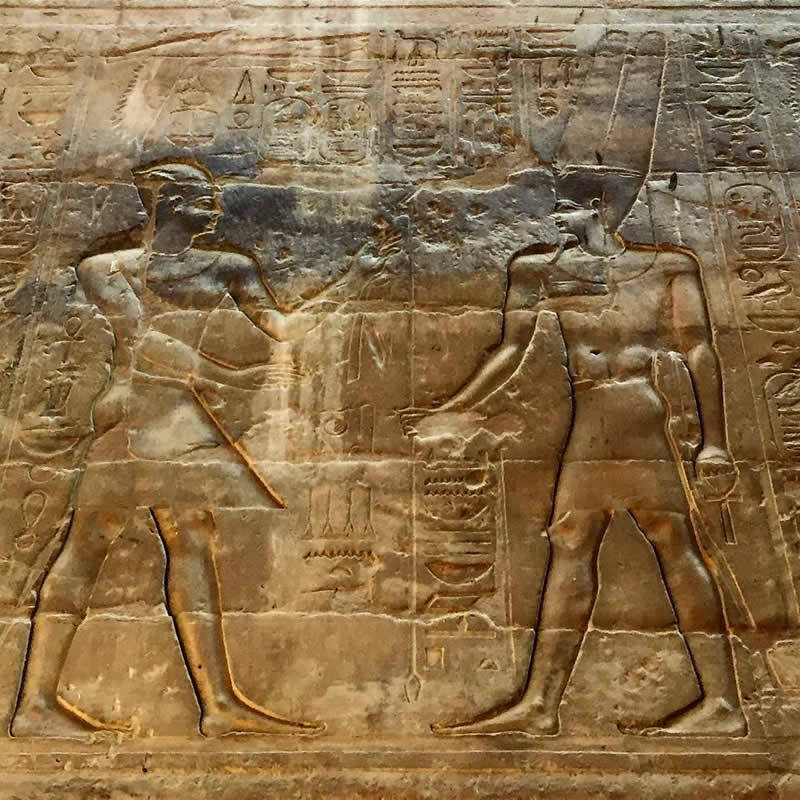
How Alexander the Great Conquered Egypt Without a Fight
In 332 BCE, Alexander arrived in Egypt after defeating the Persian garrison at Pelusium, and Egyptians largely welcomed him rather than resisted. Persian rule had been unpopular for generations, and local priests and officials saw Alexander as a chance to be free of it. He advanced to Memphis, the old capital, without fighting a single battle on Egyptian soil, a detail that set the tone for how he would govern the country afterward.
Founding Alexandria: A City Built on Alexander's Vision
In early 331 BCE, Alexander selected a stretch of coastline near the fishing village of Rhakotis for a new port city bearing his name. The architect Dinocrates laid out Alexandria on a grid between the sea and Lake Mariout, giving it a natural harbor and a defensible position. Within a generation the city grew into one of the ancient world's most important centers, later home to its famous library and lighthouse.
The Journey to Siwa Oasis and the Oracle of Amun
From Alexandria, Alexander led an arduous march across the Western Desert to Siwa Oasis to consult the Oracle of Amun, one of the most respected oracles in the ancient Mediterranean world. Ancient historians recorded that the priest greeted him as a son of Amun, a moment Greek writers later used to support claims of his divine parentage. The oracle temple ruins at Siwa still stand today, and visitors can walk the same ground.
Pharaoh of Egypt: Alexander's Coronation at Memphis
Alexander returned to Memphis, where Egyptian priests crowned him Pharaoh and he made offerings to the Apis bull, honoring traditions that Persian rulers before him had largely ignored. He kept Egyptian administrators in place alongside his own officials, a decision that avoided disrupting a governing system that had functioned for millennia.
What Happened After Alexander's Death: The Ptolemaic Dynasty
Alexander left Egypt in 331 BCE and never returned, dying in Babylon in 323 BCE. His general Ptolemy took control of the country, eventually crowning himself Ptolemy I Soter and founding a dynasty that ruled Egypt for nearly three centuries, ending with Cleopatra VII. Ptolemy is said to have brought Alexander's body to Egypt, where its exact burial place remains one of the great unresolved questions in archaeology.
Visiting the Sites Today
The places tied to this period, from Alexandria's Greco-Roman quarter to the long desert route toward Siwa, are spread across very different distances and require different kinds of planning. Aten Tours arranges private itineraries that combine Alexandria's ancient sites with a guided route to Siwa Oasis, handling transport and access so travelers can focus on the history rather than the logistics.