How Advanced Were the Ancient Egyptians? Engineering, Science and Medicine
What the evidence shows about Egyptian engineering
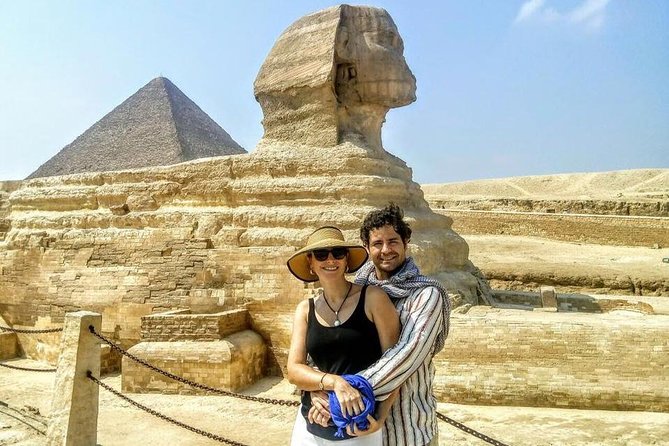
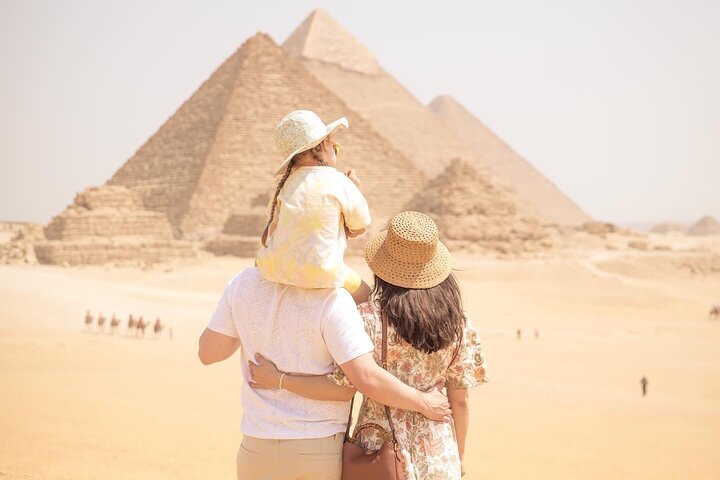
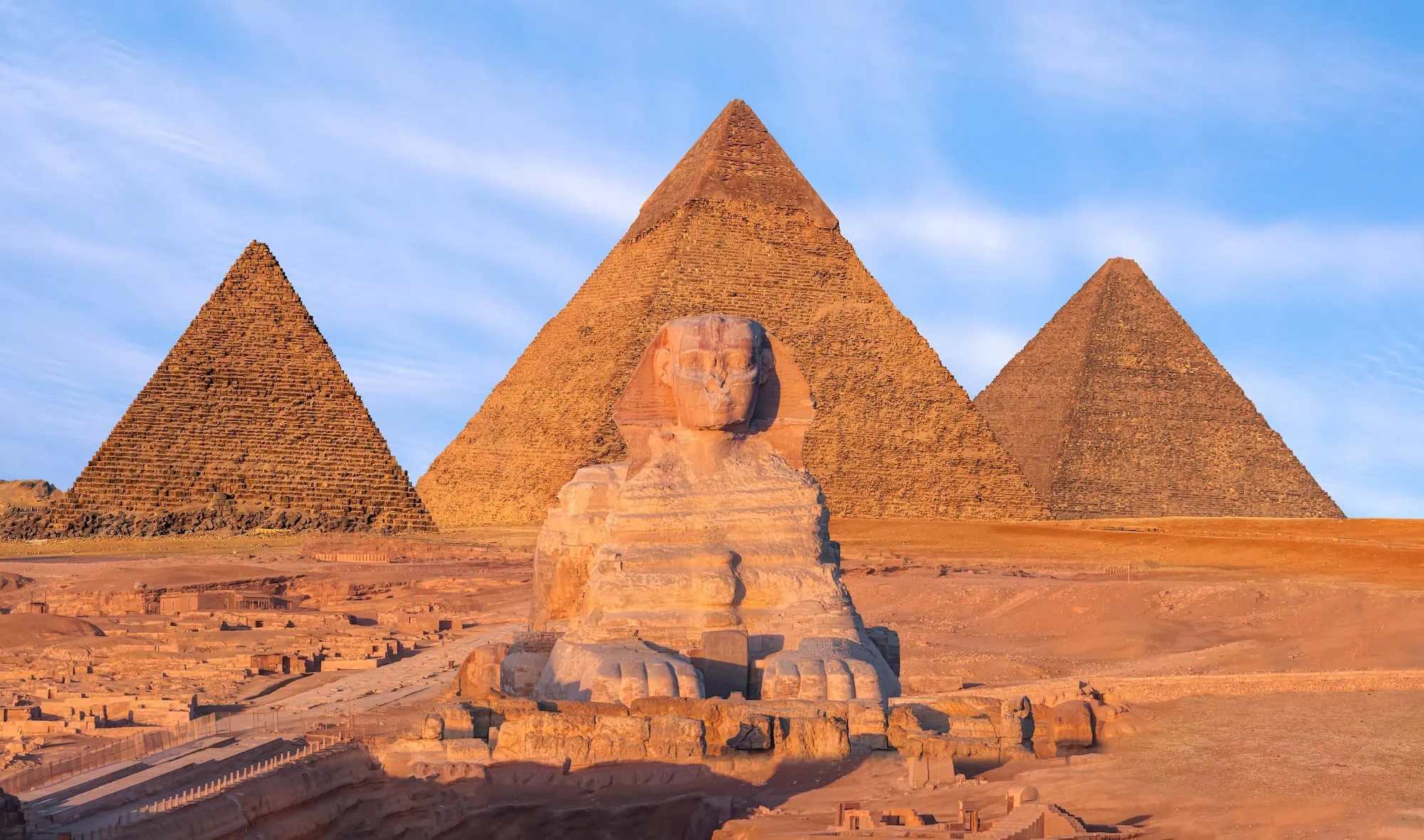
The Great Pyramid of Giza is aligned to true north with an error of about three arc minutes, a level of precision achieved without magnetic compasses. Builders used tools such as the merkhet, a sighting instrument tracking stars, combined with careful surveying using ropes and plumb lines. Blocks weighing up to several tonnes were quarried, transported on sledges over wetted sand to reduce friction, and raised using ramps and levers. The result, the last surviving Wonder of the Ancient World, still stands after roughly 4,500 years.
Astronomy and the calendar
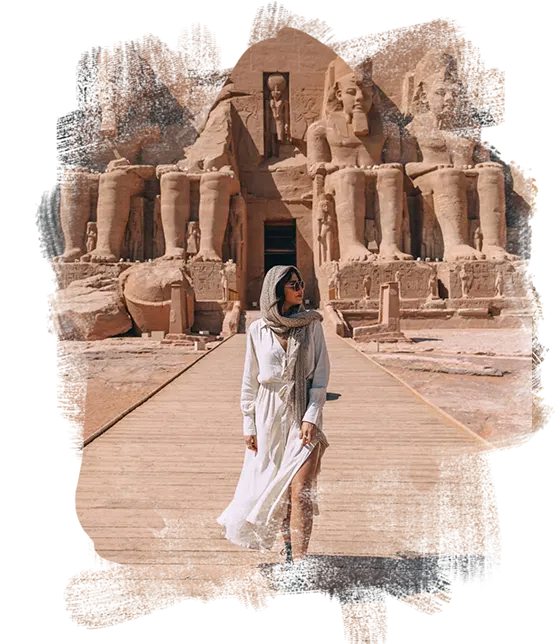
Egyptian priests observed the heliacal rising of Sirius, the star's first visible appearance before sunrise after a period of invisibility, and used it to predict the annual Nile flood. From this observation they built a civil calendar of 365 days, divided into twelve months of thirty days plus five extra days, remarkably close to the true solar year of about 365.25 days. Temples such as Abu Simbel were oriented so that sunlight would strike specific inner chambers on set dates, showing that astronomical alignment was integrated into religious architecture rather than treated as a separate discipline.
Medicine and surgical practice
The Edwin Smith Papyrus, dated to around 1600 BCE but likely copied from a much older source, describes 48 medical cases with observation, diagnosis, prognosis and treatment for injuries including skull fractures and spinal trauma. Egyptian physicians set fractures with splints, closed wounds with sutures, and used honey and willow bark, both with documented antibacterial and anti-inflammatory properties, in wound care. Dental bridges and early prosthetic devices, including a wooden and leather toe found on a mummy, indicate a practical understanding of the body that went beyond ritual medicine.
Writing, administration and the state
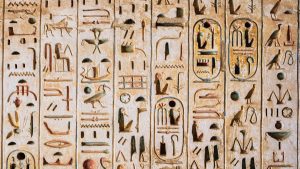
Hieroglyphic writing developed independently in Egypt by around 3200 BCE, alongside a cursive hieratic script used for everyday records on papyrus. This writing system supported a centralized bureaucracy that tracked grain harvests, tax collection, labor rosters for major construction projects, and legal disputes. Scribes trained for years in dedicated schools, and their records, many of which survive on papyrus and ostraca, give historians a detailed picture of daily administration rare for a civilization this old.
Mathematics applied to real problems
The Rhind Mathematical Papyrus, copied around 1650 BCE, contains 84 problems covering fractions, area calculation, and early algebra, used for practical tasks such as dividing bread rations and calculating field areas after the annual flood reset boundary markers. Egyptian surveyors, known as rope stretchers, reestablished field boundaries using knotted cords and right angle techniques related to what later became the 3 4 5 triangle rule. This mathematics was not abstract theory; it was built to solve land, tax and construction problems each year.
Irrigation and agricultural planning
The Nile's predictable annual flood was measured using nilometers, stone structures with marked steps that recorded water levels at key points along the river. These readings let officials forecast harvest yields and set tax rates before the season began. Basin irrigation systems channeled floodwater into walled fields, extending fertile land beyond the river's natural reach, and state granaries stored surplus grain against years of poor flooding, a form of long term food security planning.
Where the evidence is less certain
Not every claim about ancient Egypt holds up. There is no reliable evidence for wheeled vehicles used in heavy stone transport before Egypt adopted the horse drawn chariot from contact with other cultures in the New Kingdom; sledges and ramps did the work instead. Some popular theories about the pyramids, including alien construction or unknown advanced technology, are not supported by archaeological or textual evidence and are rejected by mainstream Egyptology. The genuine achievements above are impressive enough without exaggeration.
Seeing this history in person
Reading about these achievements is different from standing inside the Great Pyramid's narrow passages or seeing the Edwin Smith Papyrus reproductions displayed near the sites where similar medical texts were found. Aten Tours arranges private, guide led visits to Giza, Saqqara and the Egyptian Museum with Egyptologists who can point out the engineering and astronomical details covered here directly on site, at a pace set by the traveler rather than a group schedule.