Khafre (Chephren): Biography of the Pharaoh Behind Giza's Second Pyramid
Who Was Khafre? Khafre was a pharaoh of Egypt's Fourth Dynasty, reigning during the twenty sixth century BCE for approximately twenty five years, based on surviving records. He is the son of Khufu, builder of the Great Pyramid, and likely followed his brother Djedefre on the throne, though the exact succession is debated among Egyptologists. Ancient Greek historians rendered his name as Chephren, the version by which he became known in later Western scholarship, while Egyptian sources refer to him as Khafre, meaning appearing like Ra.
Family and Rise to the Throne Khafre belonged to the royal family that dominated the Fourth Dynasty, a period considered the peak of pyramid building in Egypt. His father Khufu commissioned the Great Pyramid at Giza, and his mother may have been Queen Meritites I, though this identification remains uncertain. Khafre had several wives, including Meresankh III and Khamerernebty I, and fathered numerous children who would shape the royal court in following generations, among them Menkaure, who succeeded him and completed the third pyramid at Giza.
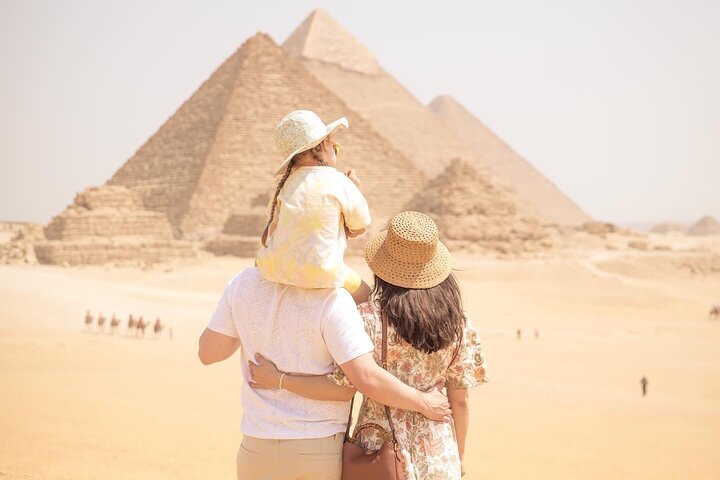
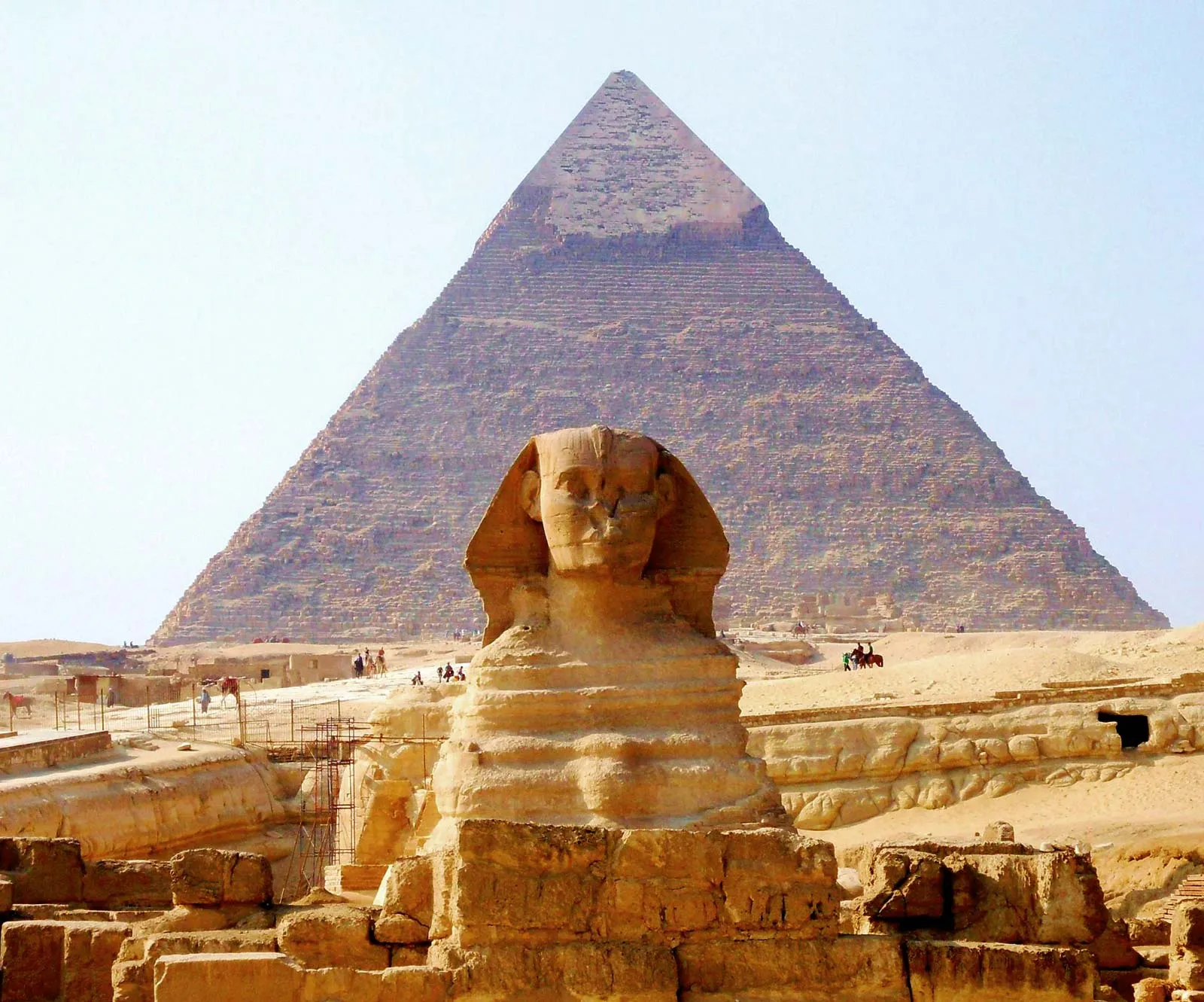
The Pyramid of Khafre at Giza Khafre commissioned the second largest pyramid on the Giza Plateau, a monument that appears taller than his father's Great Pyramid only because it sits on higher ground. Original casing stones from fine white limestone still cover part of the summit, offering a rare glimpse of how the pyramids looked when newly built and fully cased. The complex included a valley temple, a mortuary temple, and a causeway connecting them, a layout that became a model for royal pyramid complexes built after his reign.
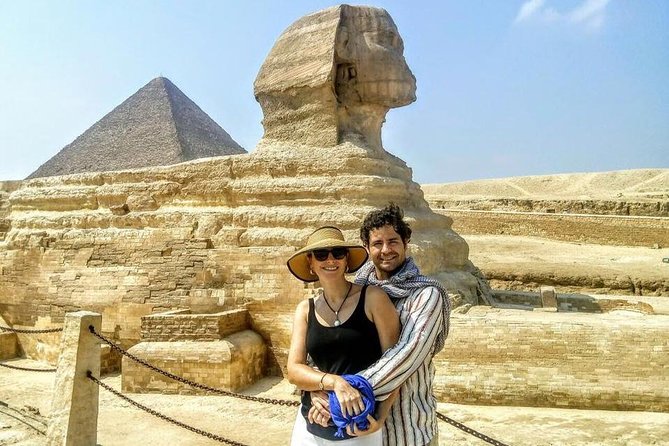
The Great Sphinx and Khafre's Legacy Many Egyptologists attribute the Great Sphinx to Khafre's reign, based on its location within his pyramid complex and stylistic links to statues found nearby, though the attribution is not universally accepted and continues to be studied. The Sphinx, carved from a single limestone outcrop with the body of a lion and a face many scholars believe represents a pharaoh, sits directly in front of Khafre's valley temple. Its true purpose, whether purely religious, symbolic of royal power, or connected to solar worship, remains a subject of ongoing research among archaeologists and historians.
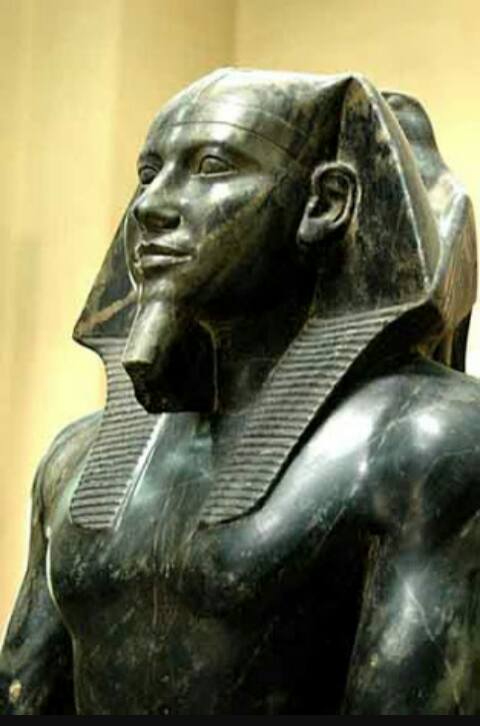
Statues and Artistic Legacy Excavations at Khafre's valley temple uncovered several statues of the king, including the well known diorite statue now housed in the Egyptian Museum in Cairo, showing him seated with the falcon god Horus protecting his head. These works are considered among the finest examples of Old Kingdom royal sculpture, combining precise craftsmanship with a formal, idealized style meant to project stability and divine authority rather than individual likeness.
Death and What Remains Today Khafre died after a reign that likely lasted around twenty five years, leaving behind a pyramid complex that still dominates the Giza Plateau alongside those of his father and son. Visitors today can walk through the remains of his valley temple, stand before the Great Sphinx associated with his name, and see his pyramid largely intact compared to many other Old Kingdom monuments. Travelers who want a guided walk through this part of Giza, with context on how Khafre's monuments relate to the rest of the plateau, can find that covered in Aten Tours' private Giza Pyramids tour.