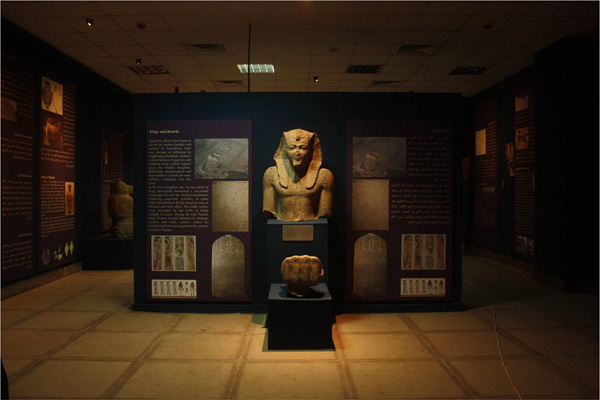
Ancient Egyptian statue displayed at the Matrouh Archaeology Museum

Matrouh Archaeology Museum: Egypt's Western Gateway Through 1,000 Artifacts
Inside the Misr Public Library on Marsa Matrouh's corniche sits Egypt's only archaeology museum dedicated to its western border region. Opened in 2018...

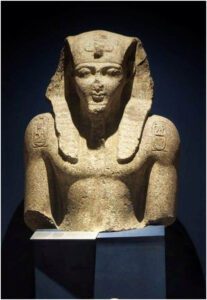
Ancient Egyptian statue displayed at the Matrouh Archaeology Museum

Matrouh Archaeology Museum: Egypt's Western Gateway Through 1,000 Artifacts

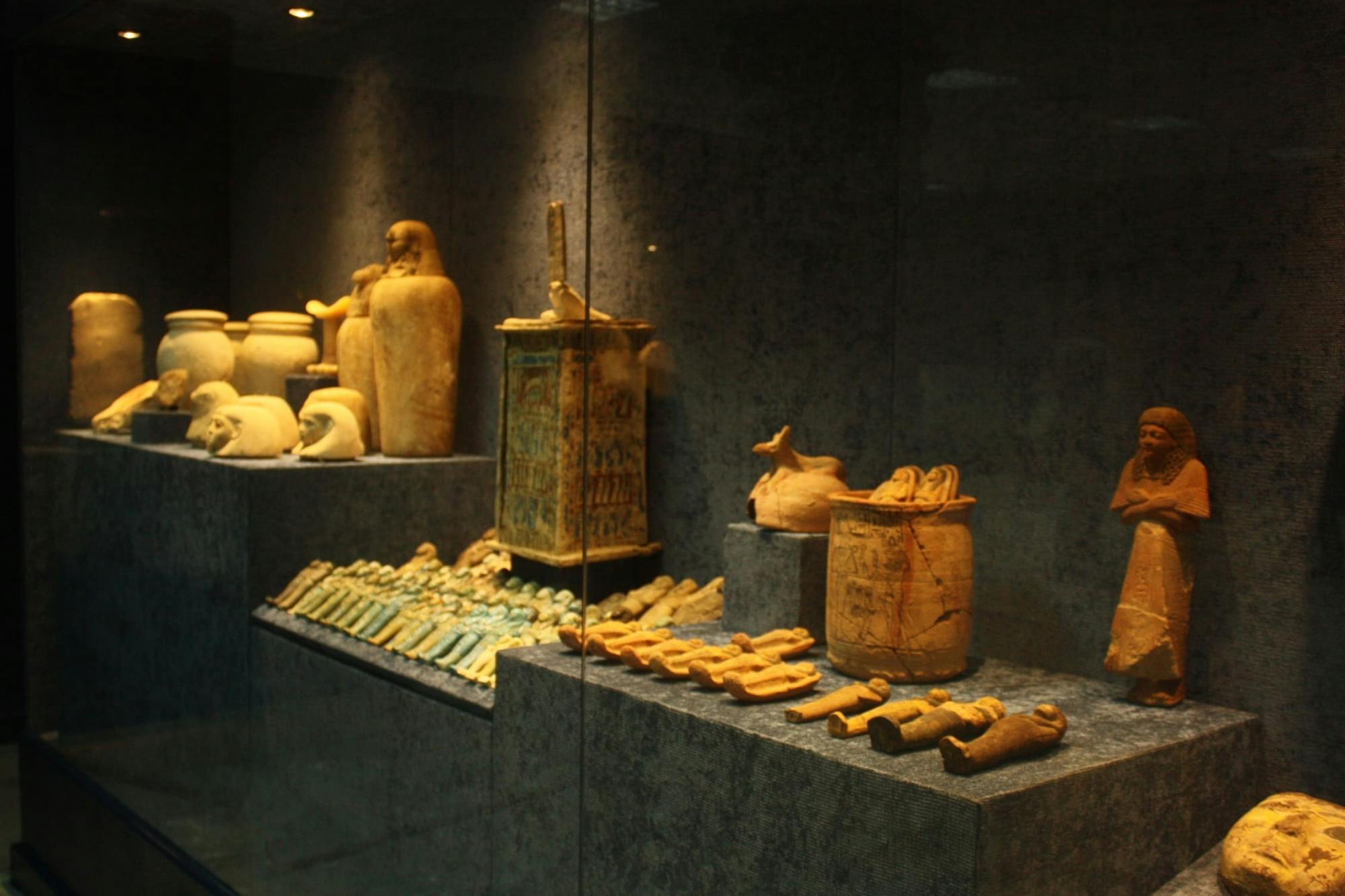
Ancient Egyptian artifacts displayed at the Matrouh Archaeology Museum

Where the Museum Is and How It Came to Be

The Matrouh Archaeology Museum sits inside the Misr Public Library, on the corniche of Marsa Matrouh, the capital of Egypt's northwestern Matrouh Governorate near the Libyan border. It is the first and only archaeological museum built specifically for this region. The idea started in 2010, when the local governorate asked the Ministry of Antiquities for space inside the library to house artifacts recovered from decades of excavation work around the city. The project stalled after the 2011 revolution and was revived in 2017, before President Abdel Fattah El-Sisi inaugurated the museum on March 1, 2018. The result is a two-story building of 728 square meters, purpose-built to tell a story most visitors to Egypt never hear: how a quiet Mediterranean coastal town once served as the country's western defensive line.

Inside the Museum: The Collection

Two stone sphinxes guard the entrance, standing in for the pharaonic idea of Egypt defended on every side. Past them, the ground floor holds Graeco-Roman mosaics recovered from sites around the governorate, laid out to show how Hellenistic and Roman settlers left their own mark on this stretch of coast long after the pharaohs. The upper floor is organized into seven themed halls, each built around a different aspect of daily and political life in the region — trade and hunting, religion, coinage, and frontier defense among them. The first hall focuses on trade and hunting, with contracts for buying and selling, gold coins from the Islamic era, and bronze Roman coins on display, alongside wine jars that hint at the trade routes running through the area.

Among the roughly 1,000 pieces, several stand out for what they represent rather than just their craftsmanship. A statue of Shashanq, founder of Egypt's 22nd Dynasty, marks the era when he reunified a country split between Tanis in the delta and Thebes in the south. Statues and busts of Ramses II, Thutmose IV, and Tutankhamun — some drawn from the storerooms of the Egyptian Museum in Tahrir, the Suez National Museum, and the Alexandria National Museum — round out a collection spanning the Pharaonic, Graeco-Roman, Coptic, and Islamic periods.

Why Matrouh Matters: The Western Gateway Story

The museum's real subject isn't any single artifact — it's the region's role as Egypt's western gateway. In antiquity, the area now known as Marsa Matrouh may have formed part of the Seventh Nome of Lower Egypt, and much of it belonged to a district called Lubia. The Romans knew the city as Paraetonium, later also called Amunia after the god Amun, whose worship connected the coast to the great desert oracle further south at Siwa. Across the Pharaonic period, Egypt's rulers built forts and garrisons along this coastline to guard against incursions from Libya, since it was the most exposed land route into the Nile Valley. The desert deities featured in the collection, and the exhibits on trade and hunting, reflect how the region's identity was shaped as much by defense and exchange with its western neighbors as by anything happening in the Nile Valley itself.

Planning Your Visit

A visit to the museum's two floors and seven halls typically takes 45 minutes to an hour for most travelers, longer for anyone reading through the exhibit texts in detail. (Note: entrance fees and exact opening hours change periodically and should be confirmed with the Ministry of Tourism and Antiquities or checked locally before a visit, as figures found online are not consistently up to date.) The museum sits within walking distance of Marsa Matrouh's public beaches and corniche, making it easy to combine with a few hours at the coast on the same day.

Visiting the Museum as Part of a Marsa Matrouh Trip

For travelers exploring Egypt's northwest coast, the Matrouh Archaeology Museum works well as a half-day stop alongside the region's beaches and desert scenery rather than a destination in its own right. It's the kind of detail that rewards travelers who go beyond Cairo, Luxor, and Aswan — a way to understand Egypt's frontier history in a place most itineraries skip entirely.
Why Choose Aten Tours

Travel with confidence with Aten Tours, where local expertise meets exceptional service. From carefully curated itineraries and handpicked experiences to seamless planning and dedicated support, we create personalized journeys designed around what matters most—comfort, quality, and unforgettable experiences across Egypt and beyond.

Secure Online Payment

Enjoy safe and secure online payments with full protection of your personal and financial information. Book your trips with confidence anytime, anywhere.

Help & Support

Travel with confidence knowing that our Help & Support team is always here for you. From booking to your return, we’re just one message away.

Tailored Travel Experiences

Your journey, your way. We design tailored experiences that match your style, ensuring comfort, flexibility, and unforgettable moments in every destination.

Client Testimonials

At Aten Tours, we are proud to create experiences that leave lasting memories. Read genuine feedback from travelers who explored Egypt’s wonders, enjoyed luxury holidays, and discovered the world with confidence and ease.

Traveling solo in Egypt with Aten Tour was one of the best decisions I made. As a 22-year-old female traveler, I was a little nervous before arriving, but I felt safe and well looked after from day one. Everything was well organized, my guide was knowledgeable, kind, and always happy to help, and I never had to worry about a thing. The whole trip was smooth, enjoyable, and filled with unforgettable moments. I'm so glad I chose Aten Tour and would definitely travel with them again.

Sarah
Sarah May 2026

My fiancé and I booked a private 5-day tour of Egypt with Aten Tours, covering Cairo, Aswan, Abu Simbel, and Luxor. From the moment we arrived, everything was perfectly organized. The team took care of every detail, making our trip completely stress-free. Our guides were knowledgeable, friendly, and passionate about Egypt's history, and every destination exceeded our expectations. Even after returning home, we still find ourselves talking about this unforgettable experience. We highly recommend Aten Tours to anyone looking for a well-planned and memorable trip to Egypt.

Thomas
Thomas May 2026

Traveling with Aten Tour made our vacation completely stress-free. Every hotel, transfer, and excursion was exactly as promised, and the team was always available whenever we had a question. We really appreciated the personal attention and warm hospitality throughout the trip. We came home with unforgettable memories and would definitely recommend Aten Tour to anyone planning a trip to Egypt.

Olivia
Olivia April 2026

We booked an 8-day trip with Aten Tour, and it turned out to be one of our favorite vacations. Everything was well organized from start to finish, which made traveling around Egypt really easy. We never felt rushed, the hotels were great, and the team was always helpful whenever we needed anything. Egypt had been on our bucket list for a long time, and we're so glad we chose Aten Tour for this experience.

Nicholas
Nicholas July 2026

Our family booked a tour with Aten Tour after reading several positive reviews, and they definitely lived up to our expectations. Communication before the trip was quick and helpful, and everything during the tour was exactly as described. The hotels were comfortable, the transportation was smooth, and the guides made every stop interesting with their stories and local knowledge. Egypt had always been a dream destination for us, and this trip made it even more memorable.

Emma
Emma June 2026

All FAQ about Egypt

Known to the Romans as Paraetonium and later as Amunia, Marsa Matrouh sat on Egypt's most exposed western land route, prompting pharaonic rulers to build forts along the coast to guard against incursions from Libya. This frontier role, alongside trade and desert-god worship linked to nearby Siwa, defines much of what the museum's collection covers.

The two-story, 728-square-meter museum displays close to 1,000 artifacts across seven themed halls, including Graeco-Roman mosaics, Islamic-era coins, Roman bronze coins, and statues of Ramses II, Thutmose IV, Tutankhamun, and Shashanq, founder of Egypt's 22nd Dynasty.

The museum opened on March 1, 2018, inside the Misr Public Library in Marsa Matrouh. The idea began in 2010, when the local governorate requested space from the Ministry of Antiquities to display artifacts excavated in the region; the project paused after the 2011 revolution and resumed in 2017 before its 2018 inauguration by President Abdel Fattah El-Sisi.

Entrance fees for Egyptian antiquities sites change periodically. Travelers should confirm current pricing with the Ministry of Tourism and Antiquities or check locally in Marsa Matrouh before visiting, since older published figures are not reliably up to date.

For most travelers on Egypt's northwest coast, yes — especially if combined with time on Marsa Matrouh's beaches. It's a small museum (45–60 minutes to see fully), but its focus on Egypt's western border history and the Paraetonium-era Roman period isn't covered anywhere else in the country, making it a worthwhile stop rather than a full day's destination on its own.

94%
WhatsApp Call