Mount Sinai (Jabal Musa): Sunrise Hike, Routes and Full Guide
What Mount Sinai Is and Why People Climb It
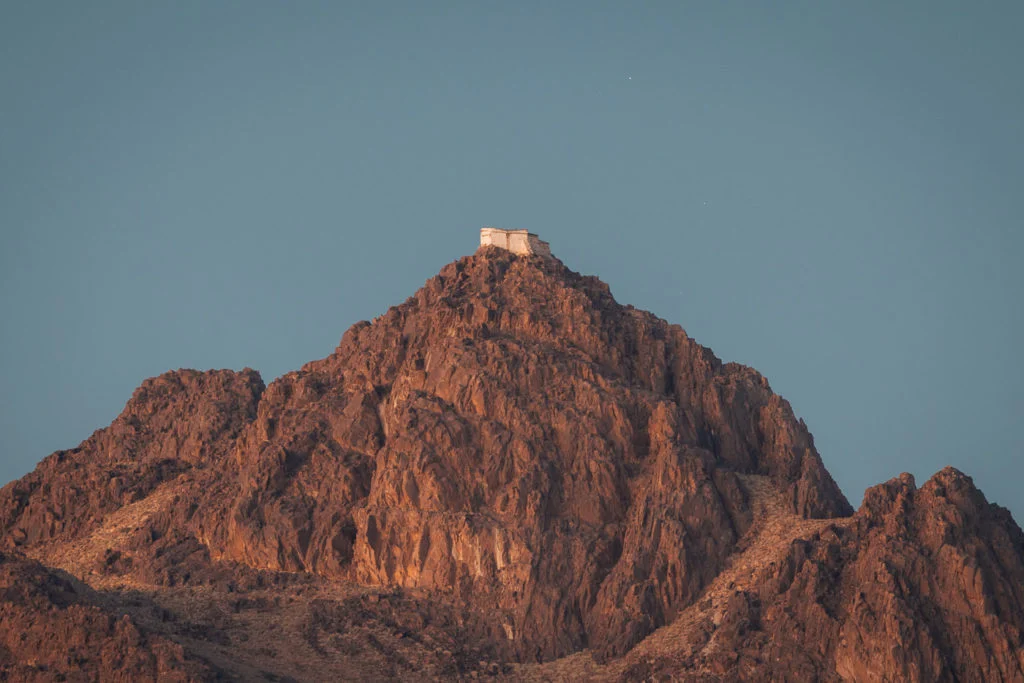
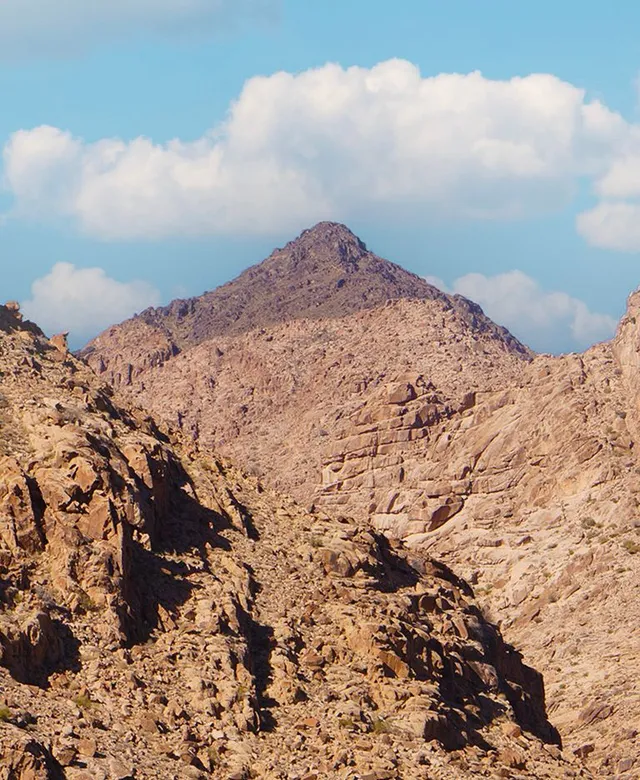
Mount Sinai sits in Egypt's South Sinai Governorate, about 3 km from the town of Saint Catherine and roughly 440 km from Cairo. At 2,285 meters, it's the site where, in the Biblical account, Moses received the Ten Commandments, and it has drawn Christian, Jewish, and Muslim visitors for centuries. At its foot stands Saint Catherine's Monastery, a working Greek Orthodox monastery and UNESCO World Heritage Site founded in the 6th century, still home to the Burning Bush revered in the same tradition.
Sunrise, Sunset, or Daytime: Choosing When to Climb
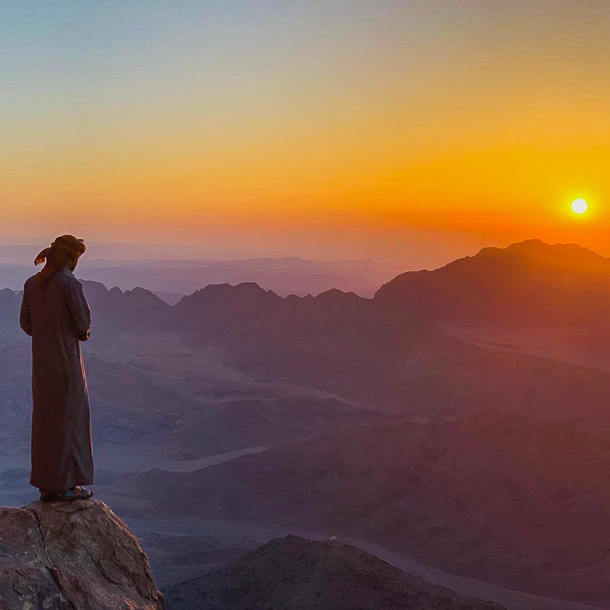
Most tours start the ascent between midnight and 2 AM to reach the summit for sunrise, which means the busiest crowds but the most dramatic light. A sunset climb, starting in the early afternoon, gives a quieter trail and similar colors over the mountains, though the descent happens in the dark. A daytime hike avoids both crowds and darkness but means more sun exposure, especially from May to September.
The Two Routes to the Top
Siket Sayidna Musa, the Steps of Repentance, is the direct route: roughly 3,750 stone steps carved by monks, passing Elijah's Basin about 750 steps below the summit. Siket El Bashait, the Camel Path, is longer but gentler, wide enough for camels for most of its length. Both routes converge at the same final stretch of 750 steps, which every hiker climbs on foot regardless of which path they started on.
How Hard Is the Hike, Really
Reviews of Mount Sinai swing between "easy" and "genuinely tough," and both are honest depending on the hiker. The Camel Path itself is a well-graded, gradual incline manageable for most people with average fitness. What makes it harder is the context: doing it at night, on 2 to 4 hours of sleep, at altitude, often in the cold. The final 750 steps are steep and uneven, and that's where most people slow down, camel or not.
Getting There, Guides, and What to Bring
Most hikers base themselves in Dahab (about 2 hours away) or Sharm El Sheikh (2.5–3 hours), with Cairo a longer 6–7 hour drive. A local Bedouin guide from the Jabaliya tribe is required for the mountain hike itself. Pack layers regardless of season: temperatures at the summit can drop well below what you'd expect from the desert floor, especially before dawn. A headlamp, water, snacks, and cash for tea stalls along the way round out the essentials.
Visiting Saint Catherine's Monastery
Most travelers pair the hike with a visit to Saint Catherine's Monastery afterward. Visiting hours are limited and change around religious holidays and closure days, so it's worth confirming the current schedule shortly before your trip rather than relying on a fixed timetable. Modest dress is required, and photography is restricted inside the churches. Because the logistics (night pickup, guide arrangement, monastery timing) can be tricky to coordinate independently, this is one of the trips where a private, well-timed tour makes a real difference to how the day actually goes — something Aten Tours arranges as part of its Sinai itineraries.