.jpg "Ancient Egyptian Statue Head")
Tell Basta, Zagazig: Egypt's Ancient City of the Cat Goddess Bastet
What Is Tell Basta and Where Is It Located
Tell Basta is the modern name for Bubastis, an ancient Egyptian city that once stood as capital of the 18th nome (province) of Lower Egypt. The archaeological site lies about 3 km southeast of central Zagazig, in Sharqia Governorate, roughly 80 km northeast of Cairo. Its name comes from the ancient Egyptian "Per-Bastet," meaning "house of the goddess Bastet." During the 22nd Dynasty (c. 945–715 BC), Bubastis briefly served as the capital of all Egypt, thanks to its position along Delta trade routes connecting the Nile Valley to the Sinai.
The Cult of Bastet, Egypt's Cat Goddess
Bastet began as a lioness deity linked to protection and fertility, worshipped as early as the 2nd Dynasty. By the 1st millennium BC, she had taken the gentler cat form most people recognize today. Tell Basta was her principal cult center, and ancient historian Herodotus described festivals held here as among the liveliest in Egypt, drawing large crowds along the city's now-vanished sacred canals. The bond between Bastet and the site remains the reason most visitors come.
What Remains: Temple Ruins and the Open-Air Museum
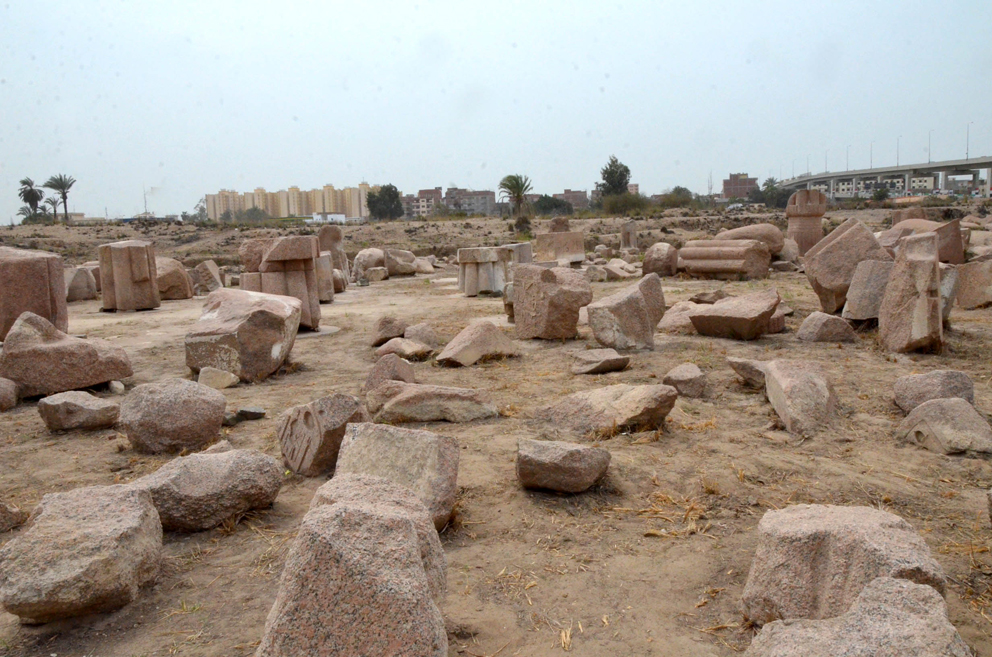
Little of the original temple stands upright today; instead, visitors walk among sunken red granite blocks and foundations that outline where the sanctuary once rose. A nine-meter statue of Queen Meritamun, daughter and later wife of Ramesses II, anchors the site's small open-air museum. Nearby, the remaining pillars of the 6th Dynasty temple of Pepi I and traces of a large palace built by Amenemhat III add further layers to the site's long history, alongside a well dating to the Roman period.
Tell Basta and the Holy Family Tradition
Beyond its Pharaonic history, Tell Basta holds a place in Coptic tradition as a stop on the Holy Family's journey through Egypt. Local lore describes the collapse of the city's pagan statues at their arrival, and a first-century well near the site is still linked to a story of a miraculous spring. This layer of history draws a different kind of visitor and adds religious significance to a site already rich in archaeology.
How to Get to Tell Basta From Cairo
Tell Basta makes a manageable half-day or full-day trip from Cairo, about 80 km away by road. Most visitors travel by private car or taxi, since public transport connections to the site itself are limited once you reach Zagazig. Drivers typically head along the main road into town before turning off near a large overpass on the southern edge of the city; asking for "Tell Basta" locally works better than relying on GPS alone.
Best Time to Visit and Practical Tips
Like most open-air sites in the Delta, Tell Basta is best visited in the cooler months between October and April, ideally in the morning before the midday heat sets in. The site sees far fewer tourists than Giza or Luxor, so allow time to explore without rushing, and bring water and sun protection, as shade is limited among the ruins. Photography is generally permitted; check locally for any current restrictions before your visit.
Visiting Tell Basta With a Guide
Because Tell Basta is less visited and less signposted than Egypt's major sites, a guide who knows the layout of the ruins and the history behind them adds real value here. Aten Tours' private Cairo day tours can include Tell Basta as a stop for travelers interested in Delta archaeology and Coptic heritage sites beyond the usual Cairo–Giza route, with transport and an Egyptologist guide arranged from Cairo.