
The Tombs of the Nobles, Luxor: A Complete Visitor's Guide
Most visitors to Luxor's West Bank head straight for the Valley of the Kings and skip the Tombs of the Nobles, also called the Valley of the Nobles , roughly 400 tombs cut into the hillside near the Ramesseum.Royal tombs are covered in gods and the afterlife; these belonged to the officials, scribes, priests and other figures of minor nobility., and the paintings inside show what their jobs looked like day to day such as grain harvests, banquets, boat trips, the odd tax dispute.
Only a handful of the 400 tombs are open to the public at any time, and they're split into ticketed groups you buy separately, not one combined ticket. What really makes it worth the visit is that you're unlikely to be sharing the tomb with a busload of people, which happens constantly at the Valley of the Kings.
It's one of those Hidden treasures in Egypt, definitely not the most popular but most definitely worth the visit and the experience.
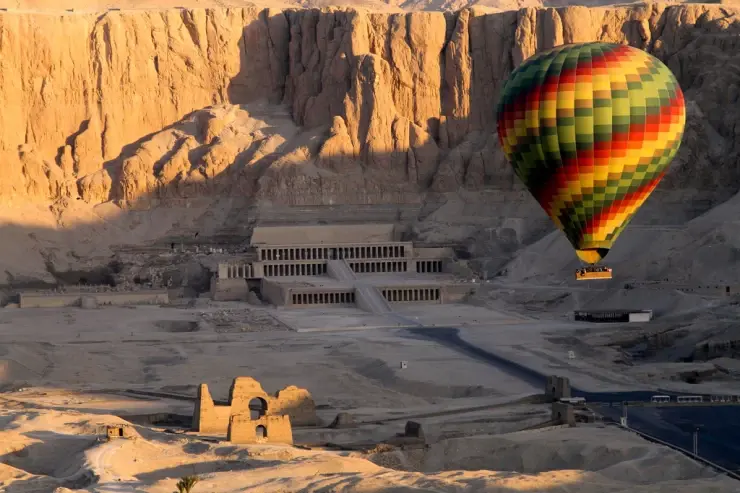
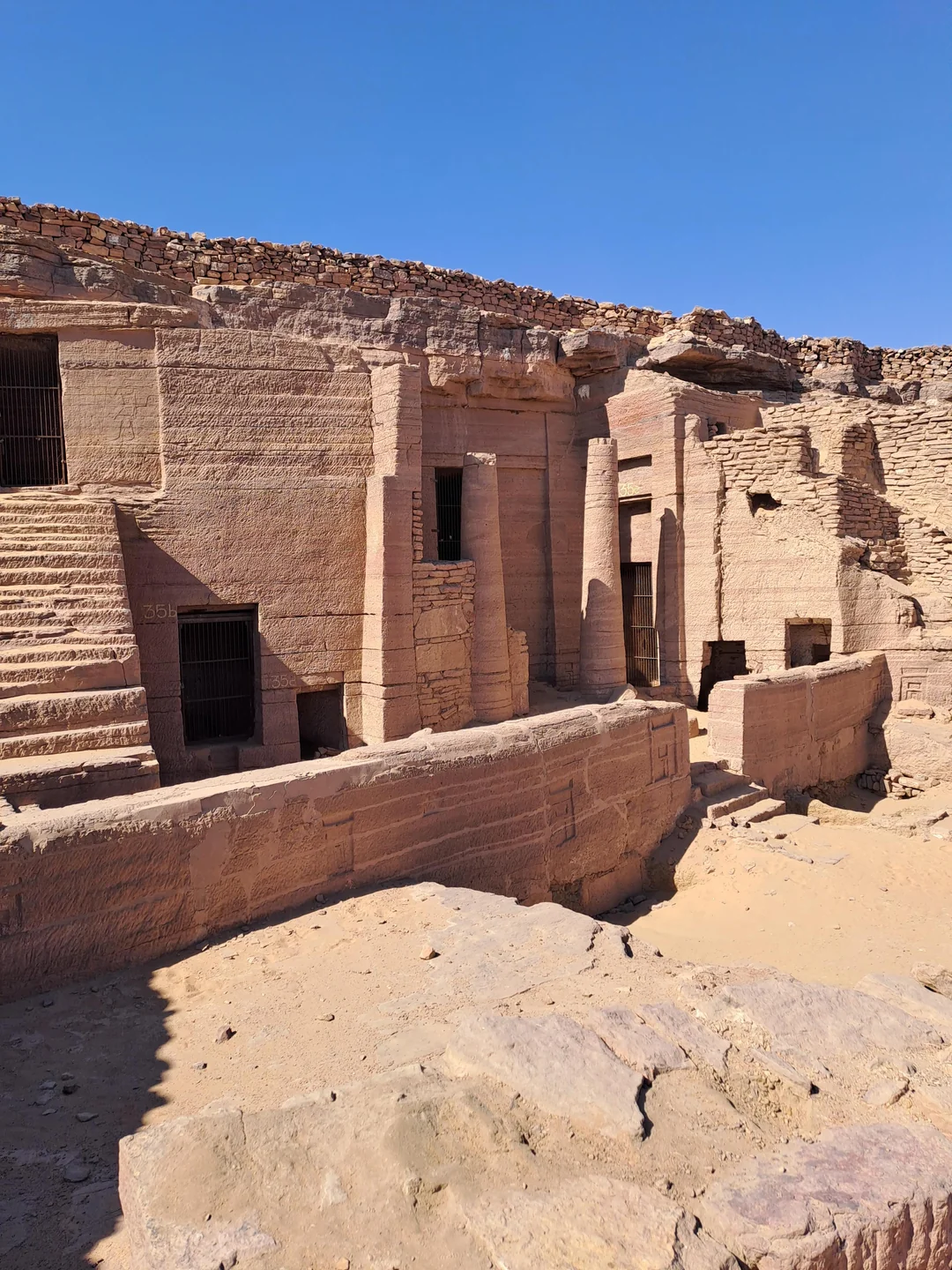
The Tombs of the Nobles are a group of ancient Egyptian burial sites on Luxor's West Bank, cut into the hillside between the Ramesseum and Hatshepsut's Temple. Unlike the Valley of the Kings, which holds the tombs of pharaohs, this necropolis belonged to administrators, priests, scribes, and military officers — people who ran the New Kingdom rather than ruled it.
Royal tombs lean heavily on religious texts and the king's passage through the afterlife. These don't bother with much of that. The tomb of Nakht, a scribe and astronomer, is famous for a harvest scene crowded with musicians and dancers instead of gods. A few tombs over, Rekhmire's walls show Nubian and Syrian delegations bringing fortunes such as gold, ivory, horses, elephant tusks, since he served as vizier under Thutmose III and this was presumably part of his actual job. None of it has the polish of Tutankhamun's gold mask, but it gets you closer to what running Thebes day-to-day actually involved.
Around 400 tombs have been identified in the area. Only a small number are open to visitors at any given time, and which ones rotates as restoration work continues on the rest.
Why Visit the Tombs of the Nobles
The honest answer: because the Valley of the Kings can wear you out. After two or three royal tombs, the imagery starts to blur, same gods, same funerary texts, same blue and gold palette on repeat. The Tombs of the Nobles don't do that. The art is smaller in scale but far more varied and different, since each of the roughly 400 tombs reflects the actual life and rank of whoever's buried there, not a fixed royal template.
Then there's the crowd factor. The Valley of the Kings runs a steady stream of tour groups through its headline tombs most of the morning. The Tombs of the Nobles get a fraction of that traffic, less marketed, a bit more effort to reach, usually left off standard itineraries entirely. Show up before 10am on a weekday and having a tomb to yourself for a few minutes isn't unusual at all.
None of this makes it a replacement for the Valley of the Kings on a first trip. It just makes it the better pick on a second one or for anyone who'd rather see how people actually lived than look at another sarcophagus.