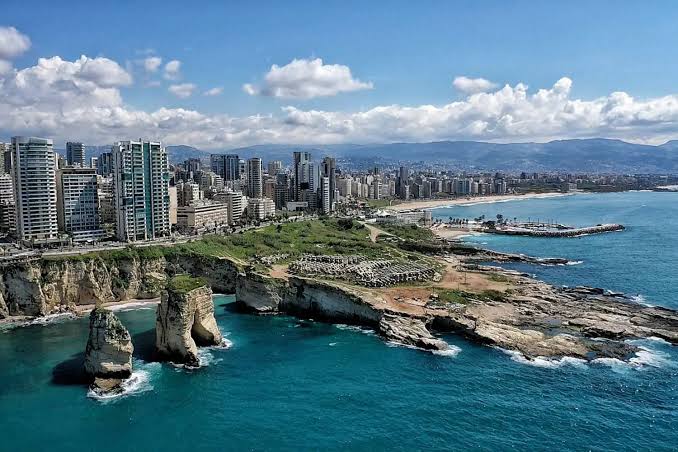
Panoramic view of Lebanese coastal city and blue Mediterranean bay

Best Places to Visit in Lebanon for First-Time Visitors
Lebanon fits Roman temples, Phoenician ports, mountain monasteries and a busy capital into a country about 200 kilometres long. This Lebanon travel gu...

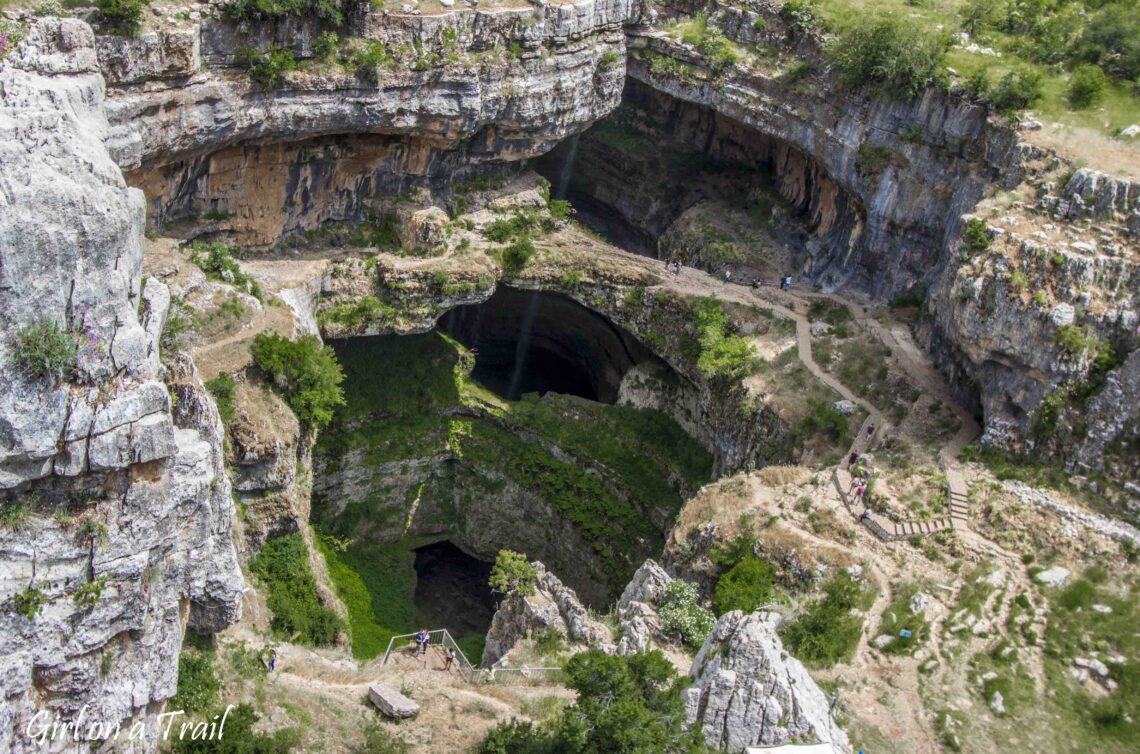
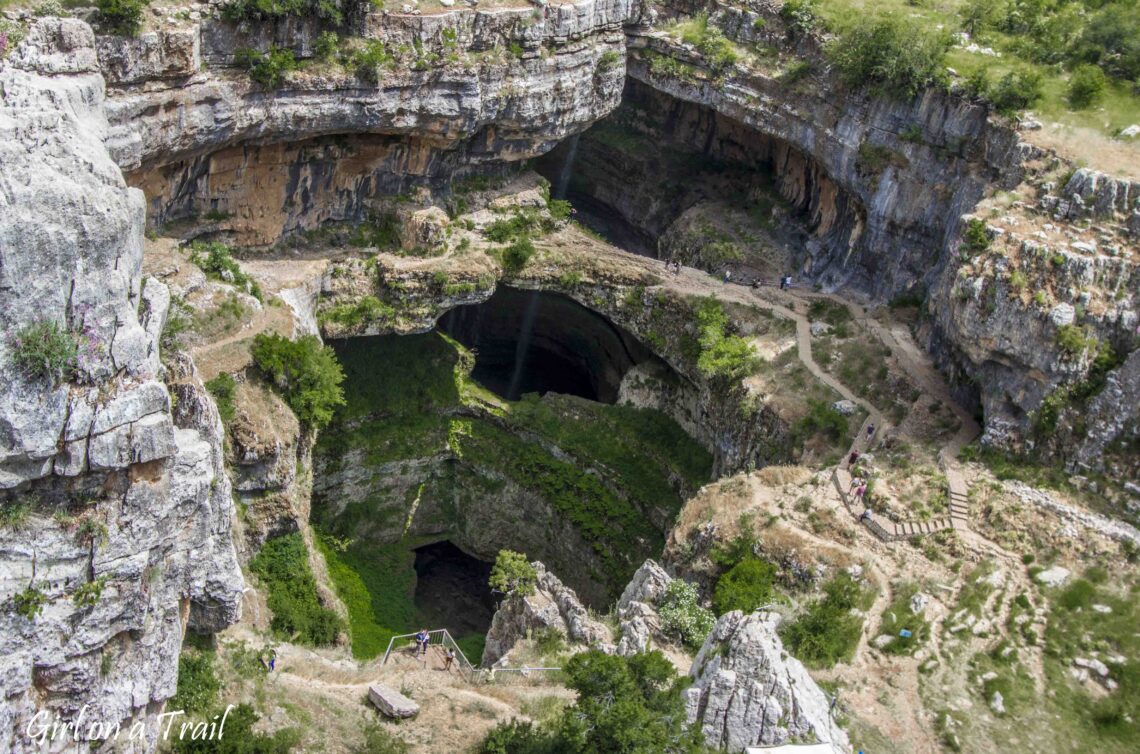
Aerial view of deep rocky sinkhole with trails and visitors in Lebanon

Best Places to Visit in Lebanon for First-Time Visitors

Raouche Rocks sea cliffs and Beirut skyline on the Lebanese coast

Beirut

Beirut, the capital on Lebanon's Mediterranean coast, is where most trips start and the easiest base for day trips to Byblos, Jeita Grotto and the Chouf mountains. Plan at least two days. The city is better for wandering than for ticking off monuments, but a few places are worth building a day around.

National Museum of Beirut

The National Museum of Beirut holds Lebanon's main archaeological collection, including Phoenician sarcophagi, Roman statues and finds from sites across the country. It is a good first stop because it explains what you will see later at Byblos and Baalbek. Allow about two hours, and check opening days before you go, as they can change.

The Corniche, Hamra and Gemmayzeh

The Corniche is the seafront promenade, and locals walk it at sunset, with the Pigeon Rocks at Raouche standing offshore at its western end. Hamra, around the American University of Beirut, has bookshops and old cafés. Gemmayzeh, east of downtown, has mezze restaurants and bars along Rue Gouraud. Between them you can fill a relaxed evening without a plan.

Byblos (Jbeil)

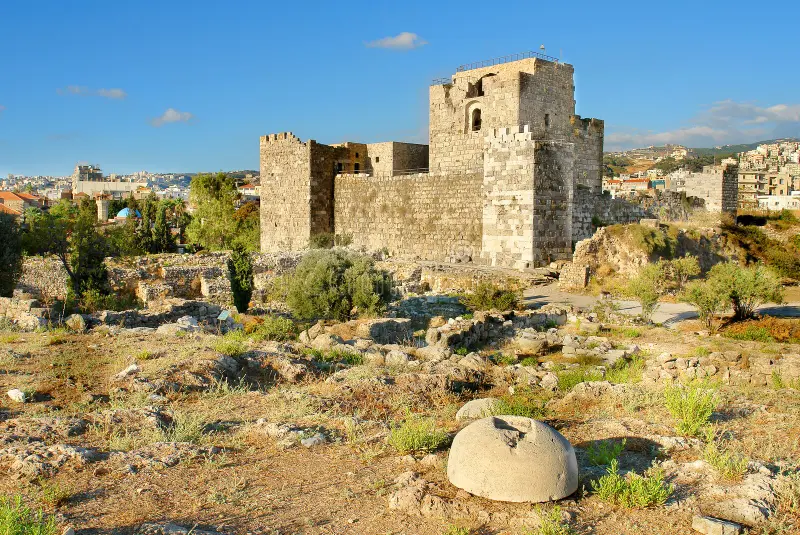
Byblos, known locally as Jbeil, is a UNESCO World Heritage Site about 40 kilometres north of Beirut, roughly 45 minutes by car. It is one of the oldest continuously inhabited towns in the world. The archaeological site has Phoenician temples, a Roman theatre and a Crusader castle from the 12th century, all beside a small harbour.

Walk through the old souk on the way to the water, then eat fish at one of the harbour restaurants. The name Byblos is commonly linked to the Greek word for papyrus, which the port traded. Half a day is enough for the site and the old town. For a full day, add Jeita Grotto and Harissa on the way back, or Batroun if you are heading north.

Jeita Grotto and Harissa

Jeita Grotto, about 20 kilometres north of Beirut, is a pair of connected limestone caves with an underground river. You walk through the upper gallery and take a short boat ride through the lower one, past stalactites and stalagmites. Cameras are restricted inside, so check the rules at the entrance, and confirm opening days, which vary through the year.

Harissa, a hilltop above the coastal town of Jounieh, is close to Jeita. It is home to the shrine of Our Lady of Lebanon, a white statue with views over Jounieh Bay, and a cable car runs up from the town below. Both stops lie on the road between Beirut and Byblos, which is why they pair well in one day.

Baalbek and the Bekaa Valley

Baalbek, a UNESCO World Heritage Site in the Bekaa Valley about 85 kilometres from Beirut, has the largest Roman temple complex in Lebanon. The Temple of Jupiter keeps six of its columns, each roughly 20 metres tall, and the nearby Temple of Bacchus is among the best preserved Roman temples anywhere. The Romans called the city Heliopolis, the city of the sun. Most visitors go as a full-day trip, about two hours each way.

Combine Baalbek with Anjar, a UNESCO site with the ruins of an Umayyad city from the early 8th century, and stop at a Bekaa winery such as Ksara on the way back. Conditions in the Bekaa can change, so confirm access and road status with your operator before you set off.

The Qadisha Valley and the Cedars of God

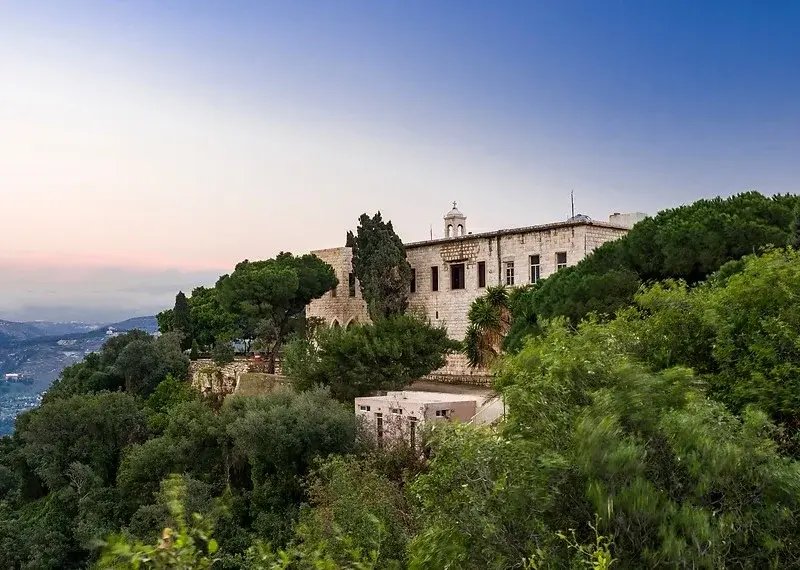
The Qadisha Valley, also called the Holy Valley, is a deep gorge in northern Lebanon and a UNESCO World Heritage Site together with the nearby Cedars of God. Monasteries and hermitages cling to its cliffs, many tied to centuries of Maronite monastic life. Bcharré, the town at the head of the valley, is the birthplace of the poet Kahlil Gibran, and a museum there is devoted to his work.

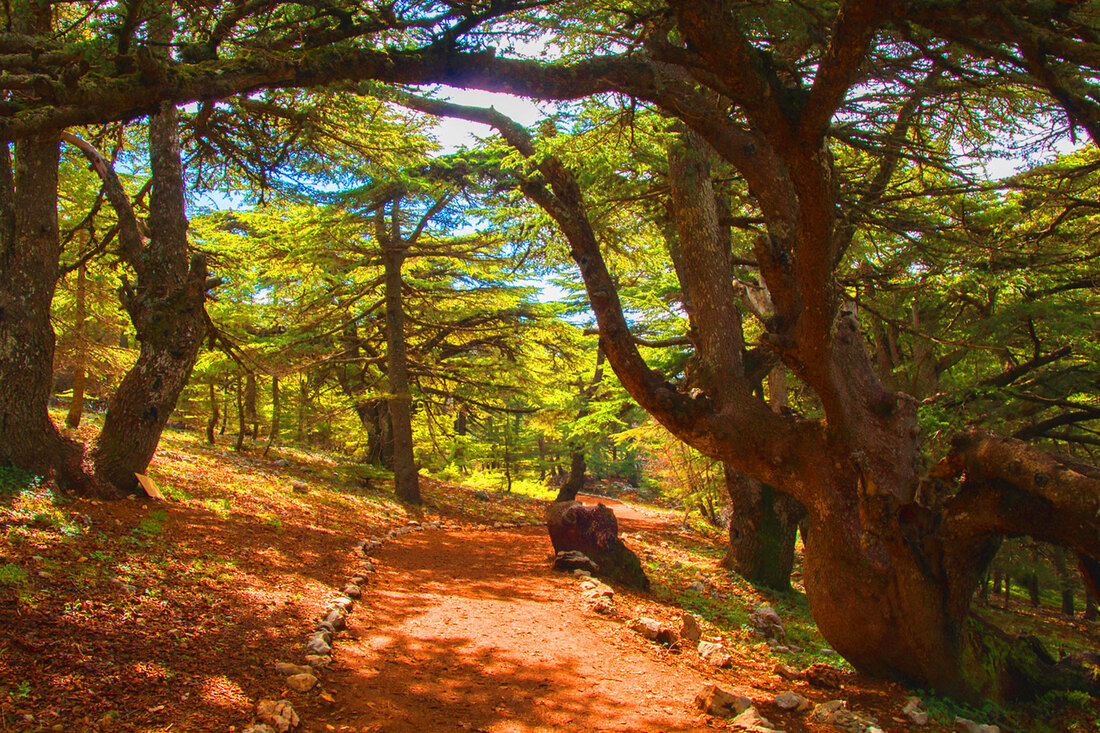
The Cedars of God is a small grove of ancient cedars at close to 2,000 metres above sea level, and a few of its oldest trees are thought to be well over a thousand years old. It is roughly three hours from Beirut by road. People hike here in summer, and in winter the area becomes a ski resort where snow can slow the roads. A night in the area works better than a rushed day trip.

Batroun and Tripoli

Batroun and Tripoli are the two main stops on the northern coast. Batroun, about 55 kilometres north of Beirut, is a small seaside town with an old quarter, a Phoenician sea wall, beaches and a brewery. It is the relaxed option, and it suits a swim or lunch after Byblos.

Tripoli, around 85 kilometres from Beirut and roughly two hours by car, is Lebanon's second-largest city. Its old town has a Crusader citadel named after Raymond de Saint-Gilles, Mamluk mosques and madrasas, covered souks and traditional sweet shops. Tripoli gets far fewer visitors than Byblos, so there are fewer signs and ready-made tours, and a guide makes the day easier.

Beiteddine Palace and the Chouf

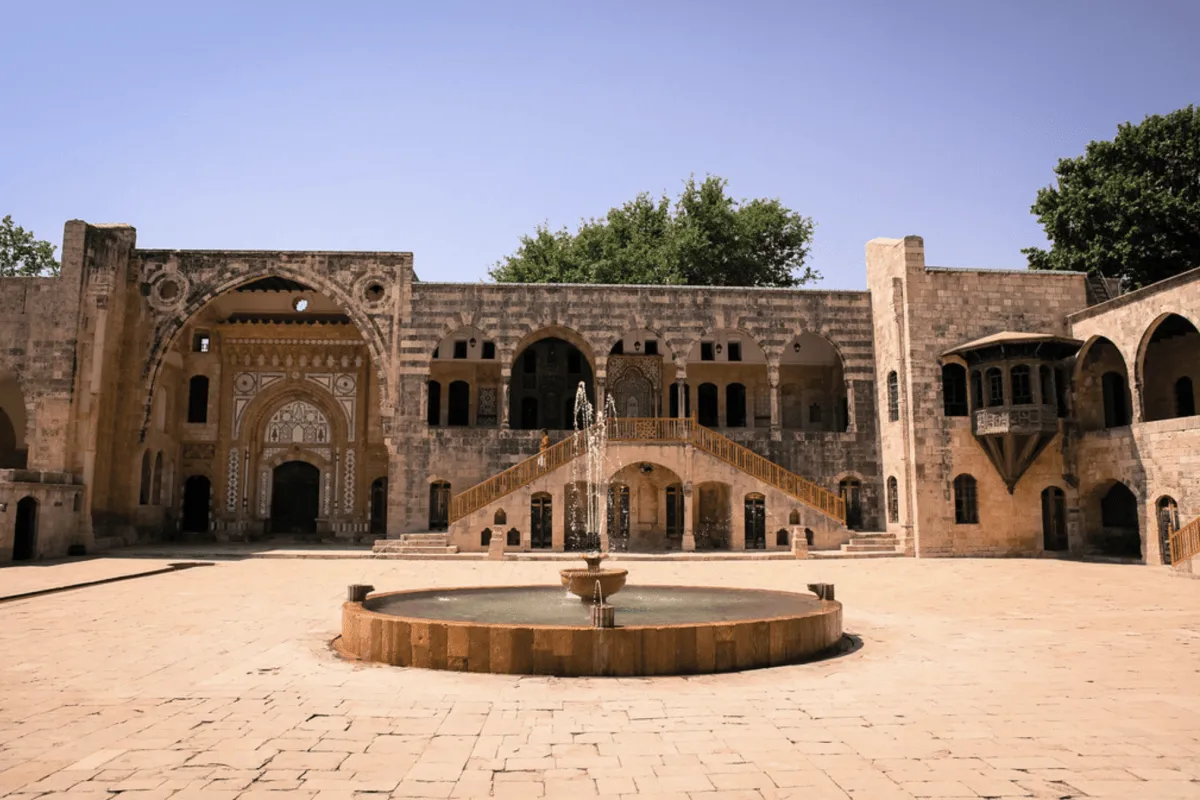
Beiteddine Palace is a large early 19th century palace in the Chouf Mountains, about 45 kilometres southeast of Beirut, built for Emir Bashir Shihab II. It has arched courtyards, mosaics and gardens. Part of it still serves as a presidential summer residence, so some areas can be closed. Check before you go.

The village of Deir el-Qamar, with its old stone houses, is next door, and the Chouf Cedar Reserve, the largest nature reserve in Lebanon, is nearby. Together they make a full day out of Beirut, or a quiet overnight in the mountains.

How many days do you need in Lebanon?

Three days is enough for Beirut, Byblos and Jeita Grotto, and a week lets you add the north and the mountains without rushing. Lebanon is about 200 kilometres long, but winding roads and traffic make drives slower than the distances suggest.
Why Choose Aten Tours

Travel with confidence with Aten Tours, where local expertise meets exceptional service. From carefully curated itineraries and handpicked experiences to seamless planning and dedicated support, we create personalized journeys designed around what matters most—comfort, quality, and unforgettable experiences across Egypt and beyond.

Secure Online Payment

Enjoy safe and secure online payments with full protection of your personal and financial information. Book your trips with confidence anytime, anywhere.

Help & Support

Travel with confidence knowing that our Help & Support team is always here for you. From booking to your return, we’re just one message away.

Tailored Travel Experiences

Your journey, your way. We design tailored experiences that match your style, ensuring comfort, flexibility, and unforgettable moments in every destination.

Client Testimonials

At Aten Tours, we are proud to create unforgettable travel experiences around the world. Read genuine feedback from our travelers who have explored incredible destinations, enjoyed exceptional holidays, and discovered the world with confidence and ease.

Traveling solo in Egypt with Aten Tour was one of the best decisions I made. As a 22-year-old female traveler, I was a little nervous before arriving, but I felt safe and well looked after from day one. Everything was well organized, my guide was knowledgeable, kind, and always happy to help, and I never had to worry about a thing. The whole trip was smooth, enjoyable, and filled with unforgettable moments. I'm so glad I chose Aten Tour and would definitely travel with them again.

Sarah
Sarah May 2026

My fiancé and I booked a private 5-day tour of Egypt with Aten Tours, covering Cairo, Aswan, Abu Simbel, and Luxor. From the moment we arrived, everything was perfectly organized. The team took care of every detail, making our trip completely stress-free. Our guides were knowledgeable, friendly, and passionate about Egypt's history, and every destination exceeded our expectations. Even after returning home, we still find ourselves talking about this unforgettable experience. We highly recommend Aten Tours to anyone looking for a well-planned and memorable trip to Egypt.

Thomas
Thomas May 2026

Traveling with Aten Tour made our vacation completely stress-free. Every hotel, transfer, and excursion was exactly as promised, and the team was always available whenever we had a question. We really appreciated the personal attention and warm hospitality throughout the trip. We came home with unforgettable memories and would definitely recommend Aten Tour to anyone planning a trip to Egypt.

Olivia
Olivia April 2026

We booked an 8-day trip with Aten Tour, and it turned out to be one of our favorite vacations. Everything was well organized from start to finish, which made traveling around Egypt really easy. We never felt rushed, the hotels were great, and the team was always helpful whenever we needed anything. Egypt had been on our bucket list for a long time, and we're so glad we chose Aten Tour for this experience.

Nicholas
Nicholas July 2026

Our family booked a tour with Aten Tour after reading several positive reviews, and they definitely lived up to our expectations. Communication before the trip was quick and helpful, and everything during the tour was exactly as described. The hotels were comfortable, the transportation was smooth, and the guides made every stop interesting with their stories and local knowledge. Egypt had always been a dream destination for us, and this trip made it even more memorable.

Emma
Emma June 2026

FAQ

Most first-time itineraries include Beirut, Byblos, Jeita Grotto, Baalbek, the Qadisha Valley and Cedars of God, and Beiteddine Palace. Beirut, Byblos and Jeita are within an hour of each other and suit a short trip. Baalbek, the Cedars and Beiteddine each take a full day or an overnight stay from Beirut.

Three days covers Beirut, Byblos and Jeita Grotto. Five days adds Baalbek and Batroun. A week lets you also visit the Qadisha Valley and the Cedars, Tripoli and Beiteddine without rushing. Lebanon is about 200 kilometres long, but mountain roads make drives slower than the distances suggest.
April to June and September to November are the most comfortable months for sightseeing, with warm days and cooler evenings. Summer is hot and humid on the coast but pleasant in the mountains. From about December to March, snow at altitude can slow mountain roads, while the Cedars area offers skiing when conditions allow.

Yes. Baalbek in the Bekaa Valley has some of the largest Roman temples ever built, including the Temple of Jupiter and the well-preserved Temple of Bacchus. It is a UNESCO World Heritage Site about 85 kilometres from Beirut, usually visited as a full-day trip and often combined with Anjar or a winery stop.

Byblos is about 40 kilometres north of Beirut, roughly 45 minutes by car depending on traffic on the coastal highway. It works as a half-day trip, and many visitors combine it with Jeita Grotto or Harissa on the same route.

Yes. Both lie north of Beirut along the coast, so a day trip can include Jeita Grotto in the morning, Harissa on the way, and Byblos in the afternoon. Check Jeita's opening days first, as they vary through the year.

94%
WhatsApp Call