Banana Island, Luxor: What to Know Before You Go
- What Is Banana Island (Geziret El-Mozh)?
Banana Island, known locally as Geziret El-Mozh, is a small river island on the Nile's West Bank near Luxor, reachable only by felucca or motorboat from the city's Corniche. It takes its name from the banana plantations that cover most of the land, alongside smaller groves of mango, guava, and sugarcane, crops that thrive in the Nile's fertile silt.
Unlike Luxor's temples and tombs, which sit on dry desert ground, Banana Island is entirely green. Farmers still work the land here, and the island functions as a working plantation rather than a preserved historic site. There's no admission gate or visitor center, access is by boat only, and a local guide or boat captain typically walks visitors through the plantation on arrival.
The island is sometimes confused with a different Banana Island near Aswan or Asyut; the one covered in this guide is the Luxor plantation reached from the city's Nile Corniche, the starting point for most West Bank boat trips.
- How to Get to Banana Island from Luxor
Banana Island has no road access, so every visit starts with a short Nile crossing from Luxor's Corniche, the riverside promenade on the East Bank. Visitors choose between two options: a traditional felucca, a wooden sailboat powered only by wind, or a motorboat, which reaches the island noticeably faster since it doesn't depend on the wind.
The felucca is the slower, quieter choice; there's no engine noise, just sail and water, and many visitors time the ride for sunset. Wind conditions affect how long it takes, so a calm day can mean a longer crossing than expected. The motorboat suits visitors short on time or traveling with young children, since it's a more direct trip with less waiting on the water.
Most Luxor tour operators arrange hotel pickup, transfer to the boat dock, and the crossing itself as one package. Independent travelers can also negotiate directly with felucca captains at the Corniche, though agreeing on a price before boarding avoids confusion afterward.
- What to Expect on the Island
Once ashore, most visits follow the same rhythm: a walk through the plantation with a local guide or the boat captain, a stop to taste fresh bananas straight from the tree, and time to wander among the mango and guava trees. The bananas grown here are smaller than the supermarket kind and noticeably sweeter, one of the small details visitors mention most often.
Several riverside spots on the island serve simple meals; grilled fish, rice, and vegetables are common, along with fresh juice made from whatever fruit is in season. Some operators build a full lunch or dinner stop into the tour; others leave it optional.
The pace here is slow by design. There's no ticketed circuit or fixed route; visitors typically spend their time walking the paths between the trees, sitting by the water, or watching farmers go about daily work in the fields.
- The Animal Enclosures, An Honest Note
Alongside the plantation, part of Banana Island is set up as a small animal area, with species like crocodiles, monkeys, and various birds kept in cages for visitors to see. This detail matters for anyone deciding whether to visit: recent online reviews have repeatedly raised concerns about the size of the enclosures and the living conditions of the animals kept there.
This isn't universal to every part of the island, and experiences vary depending on which boat operator and stop you use. Travelers who prioritize animal welfare in their trip planning may want to factor this in before booking or ask their tour operator directly about what a specific itinerary includes.
- Best Time to Visit Banana Island and How Long to Stay
A visit to Banana Island typically takes two to three hours, enough time for the boat crossing, a walk through the plantation, and a stop to sit by the water. Add extra time if your hotel pickup and transfer to the dock aren't already factored in. That makes it easy to fit in as a half-day add-on rather than something that needs its own full day.
Sunset is the most popular time to go, particularly for felucca rides, since the light on the Nile and the West Bank hills is at its best in the last hour before dark. Early morning is a quieter alternative, with cooler temperatures and fewer boats on the water, worth considering between May and September, when Luxor's midday heat makes any outdoor activity more demanding.
Because feluccas depend on wind, timing isn't always exact. Visitors on a tight schedule, or traveling with young children who won't tolerate an open-ended wait, may prefer the motorboat crossing for a more predictable start and finish time.
- Is Banana Island Worth Adding to Your Luxor Trip?
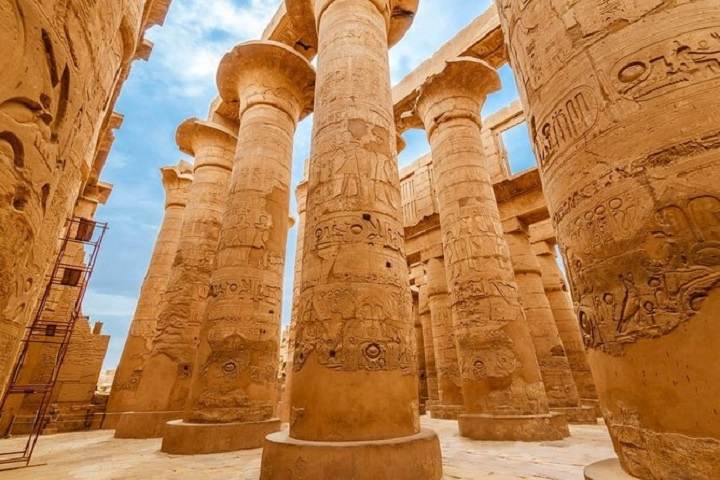
Banana Island won't compete with Luxor's temples for historical weight, and it isn't a full-day destination on its own. Its value is in contrast: after a morning at Karnak Temple or Luxor Temple, a slow boat ride to a green, working plantation is a different kind of experience, less about monuments and more about the everyday rhythm of Nile farming life.
Whether it's worth the detour depends on what you're looking for. Travelers who want to maximize temple time on a short visit may skip it without missing much. Those with an extra afternoon, or who enjoy slower, less structured stops between major sites, tend to come away satisfied, provided they've already read the note above about the animal enclosures and know what to expect.
It also pairs naturally with a broader look at the West Bank, since the same boat crossing that reaches Banana Island passes close to other river-facing sites in Luxor. If you're planning how to sequence Banana Island alongside Luxor's major sites, our Luxor attractions guide covers the city's key stops and how they typically fit together.
- Practical Tips Before You Go
A few things make the visit smoother. Bring small cash; Egyptian pounds are the most useful for boat fares, fruit purchases, and tips, since vendors on the island often can't break large notes or process cards. If you're negotiating a felucca price directly with a captain rather than booking through an operator, agree on the fare before boarding to avoid confusion afterward.
Wear comfortable, closed shoes rather than sandals. The paths between the plantation rows are dirt and can be uneven or dusty, especially later in the dry season. Sun protection matters too; there's shade under the trees, but the boat crossing itself is fully exposed to the sun.
If you're visiting between May and September, carry water and expect the heat to be more intense than a shaded temple visit. A hat and sunscreen are worth packing regardless of season, since the Nile's glare adds to sun exposure even on the water.