Precinct of Mut, Karnak: History, Sekhmet Statues & Visitor Guide
What Is the Precinct of Mut?
The Precinct of Mut is a separate temple compound at South Karnak, roughly 325 meters south of the Precinct of Amun-Re, to which it is linked by a processional avenue of ram-headed sphinxes. Dedicated to Mut, wife of Amun and mother of the moon god Khonsu, it forms the third point of the Theban Triad worshipped throughout ancient Thebes (modern Luxor). The Egyptians called it Hwt-Mwt, "the estate of Mut." The compound covers roughly 9 hectares and holds at least six temples, including the main Mut Temple, the Contra Temple, and Temples A through D.
A History Layered Over 1,000 Years
The earliest confirmed structures date to the reigns of Hatshepsut and Thutmose III, around 1479–1425 BCE, though excavators from Johns Hopkins University have found traces of an even earlier Middle Kingdom building beneath them. The precinct grew significantly under the Kushite pharaoh Taharqa in the 25th Dynasty, and it reached its present trapezoidal size around the 4th century BCE, likely under Dynasty 30 or the early Ptolemies.
The Sekhmet Statues
The precinct's most striking feature is its collection of Sekhmet statues, hundreds of them, carved with a lioness head on a human body. Most were originally commissioned by Amenhotep III for his funerary temple on Luxor's West Bank and were later redistributed to sanctuaries across Egypt, including here, around the start of Ramesses II's reign. Many still stand in situ among the ruins; others are now in museums from the Louvre to the British Museum.
The Isheru Sacred Lake
Wrapping around the Mut Temple on three sides is the Isheru, a crescent-shaped sacred lake unique to temples of "Eye of Re" goddesses like Mut and Sekhmet. Priests used it for ritual purification, and archaeologists note it has held water for roughly 3,000 years. To the southwest stands a separate temple built by Ramesses III.
Visiting the Precinct of Mut
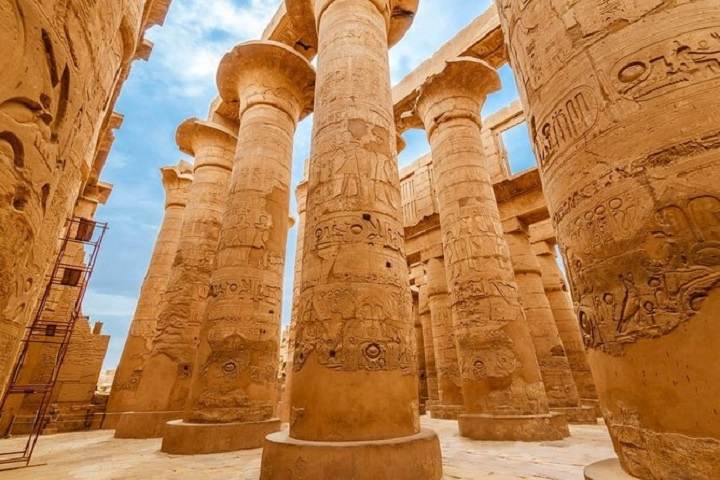
The site is reached on foot from Karnak's main complex via a marked path from the southern gate, with the final stretch requiring a short walk since vehicles cannot enter. A separate, low-cost ticket is required on top of general Karnak admission, worth confirming current pricing locally, as fees change periodically. Expect ruined walls rather than standing temples, minimal shade, no restrooms, and very few other visitors, which is part of its appeal for travelers who want to step away from the crowds at the Hypostyle Hall.
A Quiet Add-On to a Karnak Visit
Because it sits just outside the standard tourist route, the Precinct of Mut is easy to miss without local guidance on timing and access. Aten Tours' private Luxor and Karnak day tours can include a stop here alongside the main Amun-Re precinct, with an Egyptologist guide explaining the site's history and helping you find the entrance without wasted time.