.jpg "Unfinished Obelisk Aswan")
Unfinished Obelisk Aswan Travel Guide
-Unfinished Obelisk: Ancient Engineering, Preserved for Posterity
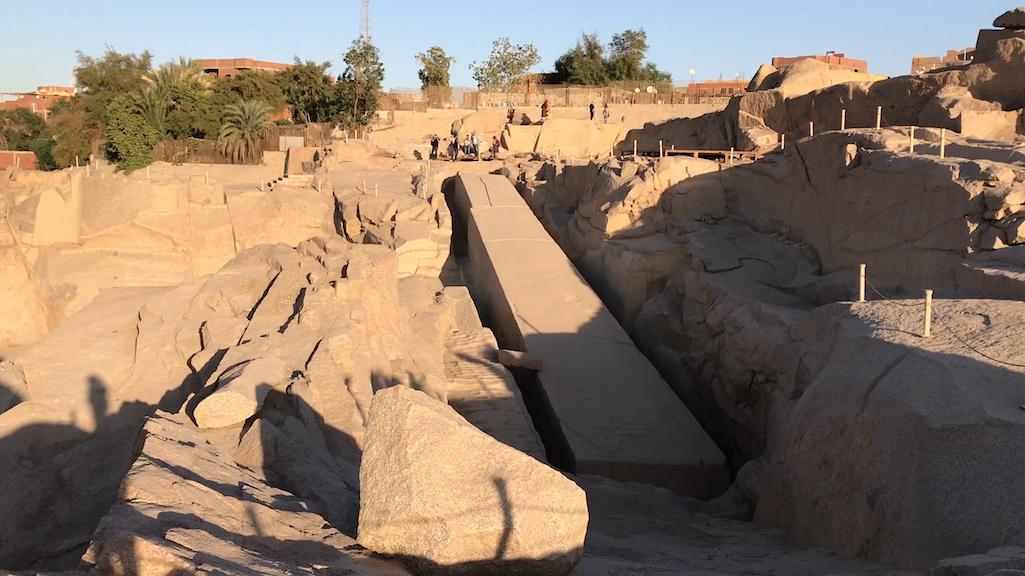
The Unfinished Obelisk, an Egyptian antiquity, is located in the granite quarries at Aswan and is believed to have been commissioned by Queen Hatshepsut of the 18th Dynasty. If finished, it would have been the largest obelisk ever constructed; however, when cracks appeared in the granite, it had to be abandoned. Still attached to the bedrock as a result, the obelisk can be seen here, near the Unfinished Obelisk, where valuable evidence of the sophisticated stone-cutting practices of the ancient Egyptian craftsmen can be seen. Using simple yet effective tools of dolerite balls, chisels and a lot of sheer brute force, massive granite blocks can be shaped into the obelisk forms; visitors looking to see how this site works for those on a Nile cruise or in southern Egypt tours will have much to learn.
-Ancient Quarrying and Engineering at Aswan
The Unfinished Obelisk is also remarkable as a symbol of the advanced engineering skill used in its shaping. Direct carving into the natural rock was achieved with simple but very effective stone balls and wooden wedges. These, as well as some tool traces, remain visible after millennia and show the methods of construction used during the New Kingdom period. Those traveling on a tour hoping to find out how pyramids and obelisks were built can discover many of these secrets on-site, making it one of the more educational Aswan attractions for those interested in engineering. The sheer scale of the structure shows how far Egyptian ambition went and how difficult working with hard natural stone can be.
-How Big Is the Unfinished Obelisk?
The Unfinished Obelisk is ever-attempted. If it had been completed, it would have measured approximately 42 meters (137 feet) in length and weighed an estimated 1,200 tons. These extraordinary dimensions would have made it significantly larger than any standing obelisk in Egypt.
Today, the monument remains attached to the granite bedrock in Aswan's ancient quarry, allowing visitors to appreciate its enormous scale firsthand. Standing beside the unfinished structure offers a unique perspective on the remarkable engineering skills, planning, and determination of the ancient Egyptian builders, who intended to transport this massive monument to a temple despite its incredible size.
-Visiting the Unfinished Obelisk: How, When and Where to Go
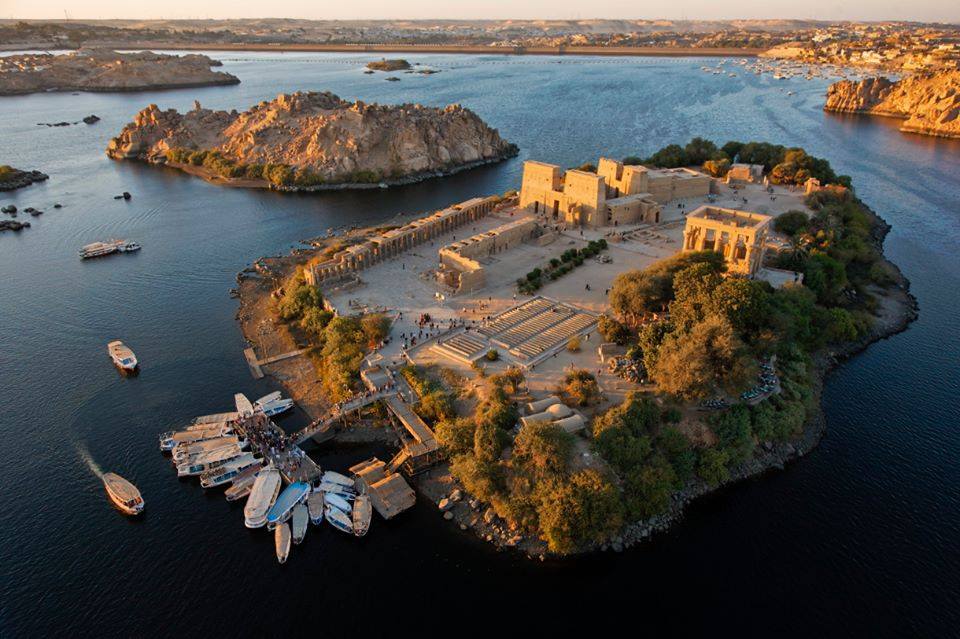
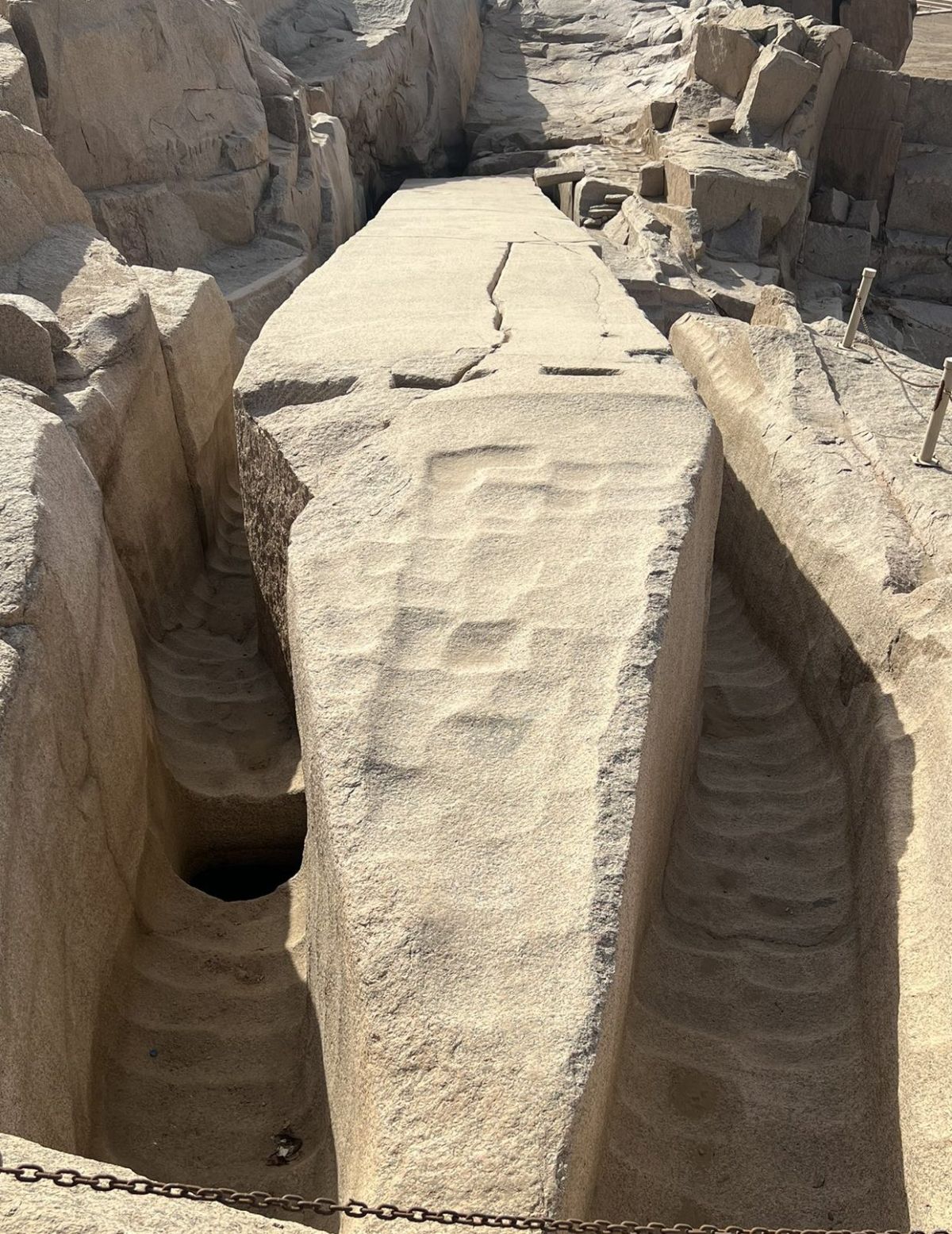
A must-visit for anyone booking Egypt sightseeing tours, Nile cruises or heritage tours to southern Egypt, the Unfinished Obelisk is conveniently located in the ancient granite quarries adjacent to central Aswan. The site is normally included in a half-day tour of Aswan sights, which also include the High Dam and the Philae Temple. Visitors here will be able to walk the quarry and view the massive obelisk that remains attached to the natural stone bedrock, clearly visible, the crack that caused it to be left here thousands of years ago. Recommended visit times are either in the early morning or late afternoon to avoid the worst of the heat, which can significantly affect enjoyment, as will visiting after the morning tour groups depart. Taking a guided tour to this area will ensure you receive all the details on the site.
-Unmissable Egyptian antiquity: Why you should visit the Aswan Unfinished Obelisk
Arguably the most awe-inspiring archaeological site in Egypt and undoubtedly a must-see location in the country for all interested in ancient engineering, stone cutting, and the somewhat unvarnished past of Egypt's monumental constructions is the Unfinished Obelisk. Situated in the northern quarry area of Aswan, this gargantuan obelisk, thought to have been commissioned by one of the most powerful monarchs of Ancient Egypt, Queen Hatshepsut, stands as a magnificent showcase for those visiting and searching for "ancient Egyptian monuments" and "things to do in Aswan" and "Egypt archaeological sites." As a visitor, the site is so incredible because it provides the opportunity to witness, on a very raw and on a very real level, the workings of stone cutting from thousands of years ago, leaving clear evidence of stone carving and construction processes that you very rarely witness so overtly at many other monuments.
One of the key aspects of the Unfinished Obelisk is its fantastic showcase of both the ability and ambition of the ancient Egyptian craftsmen and the setbacks that they faced, as you are able to walk around the sheer rock that remains still attached to the bedrock and see the precise stone cutting that was stopped abruptly as a massive crack was evident in the granite. The site literally offers you a snapshot of ancient Egyptian craftsmanship at the point it was suddenly stopped by the imperfection, a window of learning in regard to the manner in which obelisks were cut, shaped, and ultimately prepared to be moved to the temples of ancient Egypt; the ancient engineering aspect is remarkable for historians, archaeologists, and the eager tourists. Just looking at the immense project on a grand scale is indicative of the rulers' great desire to build monuments and the skill of those workmen who relied solely upon copper tools, stone hammers, and ingenuity.
-Why Was the Unfinished Obelisk Never Completed?
The Unfinished Obelisk was abandoned after a large crack appeared in the granite while it was being carved from the bedrock. Ancient Egyptian craftsmen carefully inspected the stone throughout the quarrying process, and once the crack became too severe, they realized the obelisk could no longer be safely completed or transported. Rather than risking the failure of such a massive monument, the project was permanently abandoned.
Although the flaw prevented the obelisk from being finished, it became an invaluable archaeological treasure. Because it was left exactly where the work stopped, historians and archaeologists can clearly see the carving techniques, tool marks, and construction methods used by the ancient Egyptians more than 3,500 years ago.