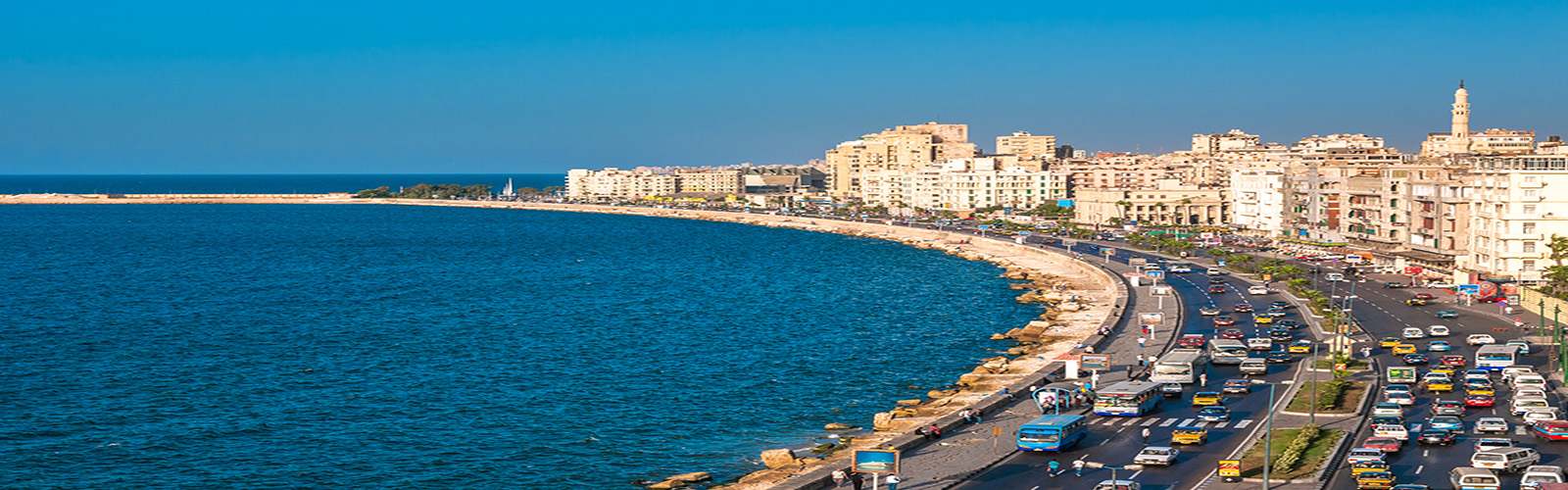
.jpg "Qaitbay Citadel Alexandria")
Qaitbay Citadel Alexandria
History of the Qaitbay Citadel
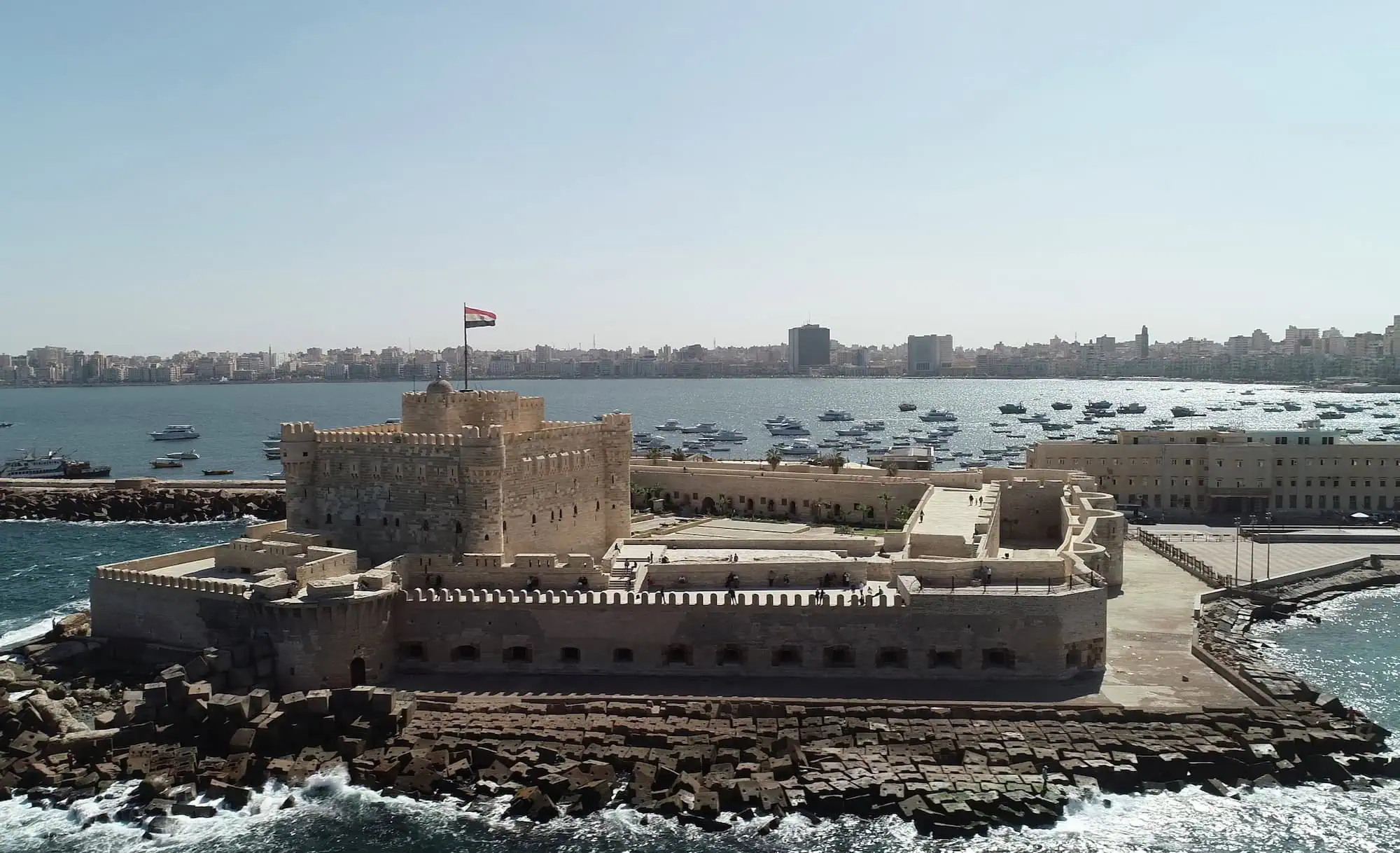
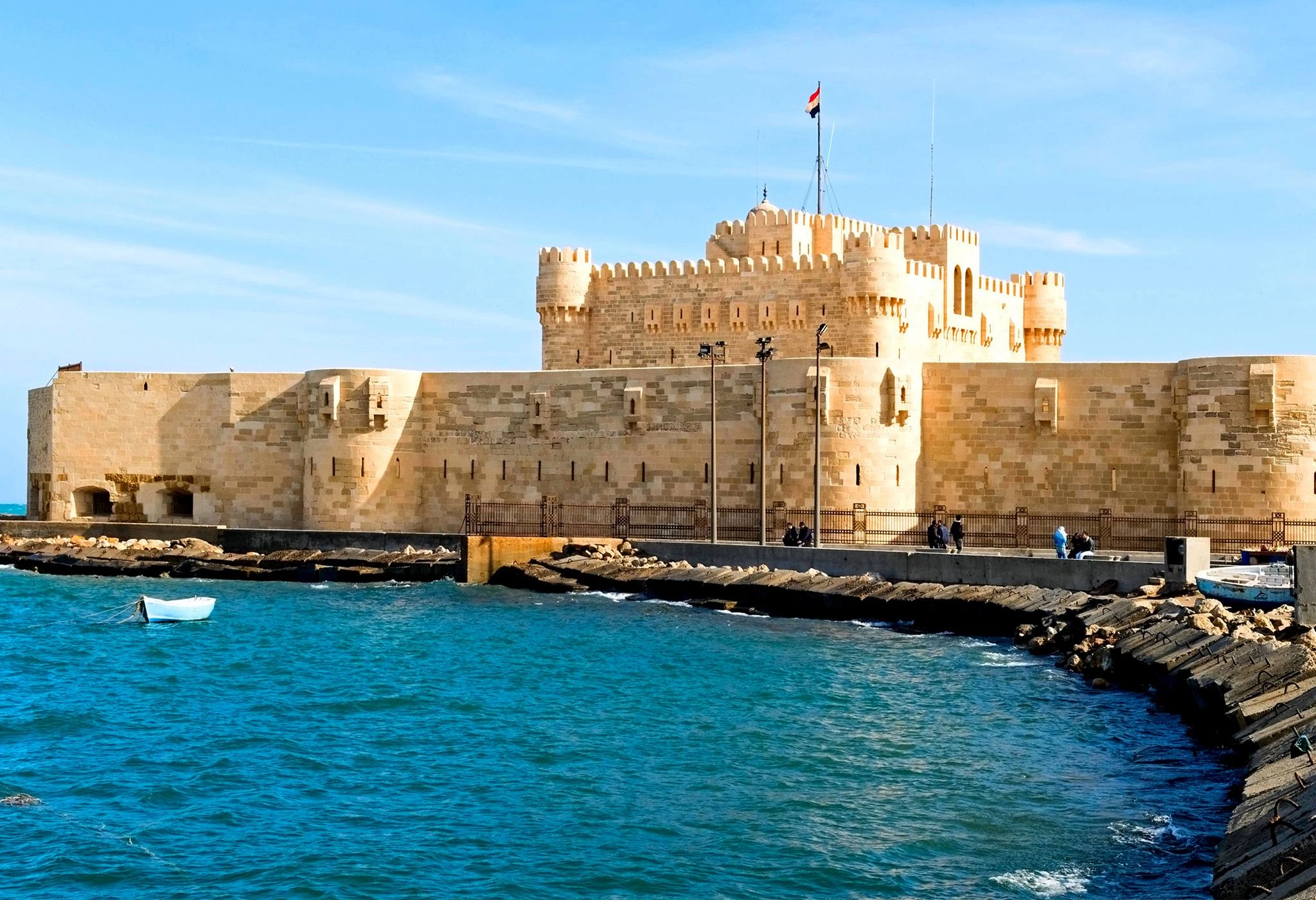
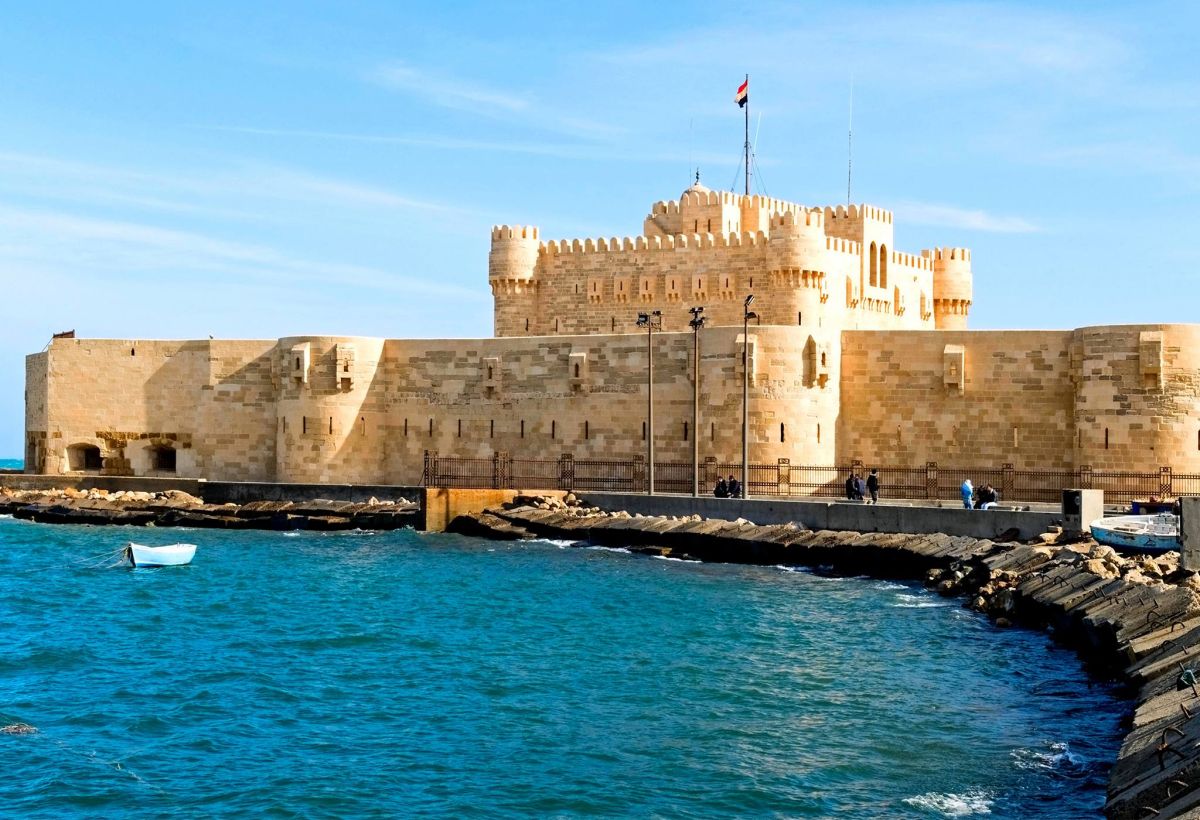
Qaitbay Citadel dates back to the year 1477 AD. Its aim was to defend the port of Alexandria against invasion from the sea as it was deemed to be a site of extreme strategic importance. The amazing point about the citadel, apart from its rich history is that it was constructed at the exact same location that the historically famous Lighthouse of Alexandria stood. Being one of the Seven Wonders of the ancient world, it has held its position for centuries to come serving a multitude of defensive purposes and has been revered as one of the most inspiring models of Islamic architecture and defense systems.
What makes the location extraordinary is not just the citadel itself – it's what stood there before. The Lighthouse of Alexandria, one of the Seven Wonders of the ancient world, occupied this exact spot for over 1,500 years before an earthquake brought it down in the 14th century. When Sultan Qaitbay chose this site to build his fortress, he didn't just pick a strategic point on the coast – he built on top of a legend. Some of the lighthouse's original stones were even incorporated into the citadel's walls. Standing here means standing on two histories at once.
An unforgettable sight on the Mediterranean
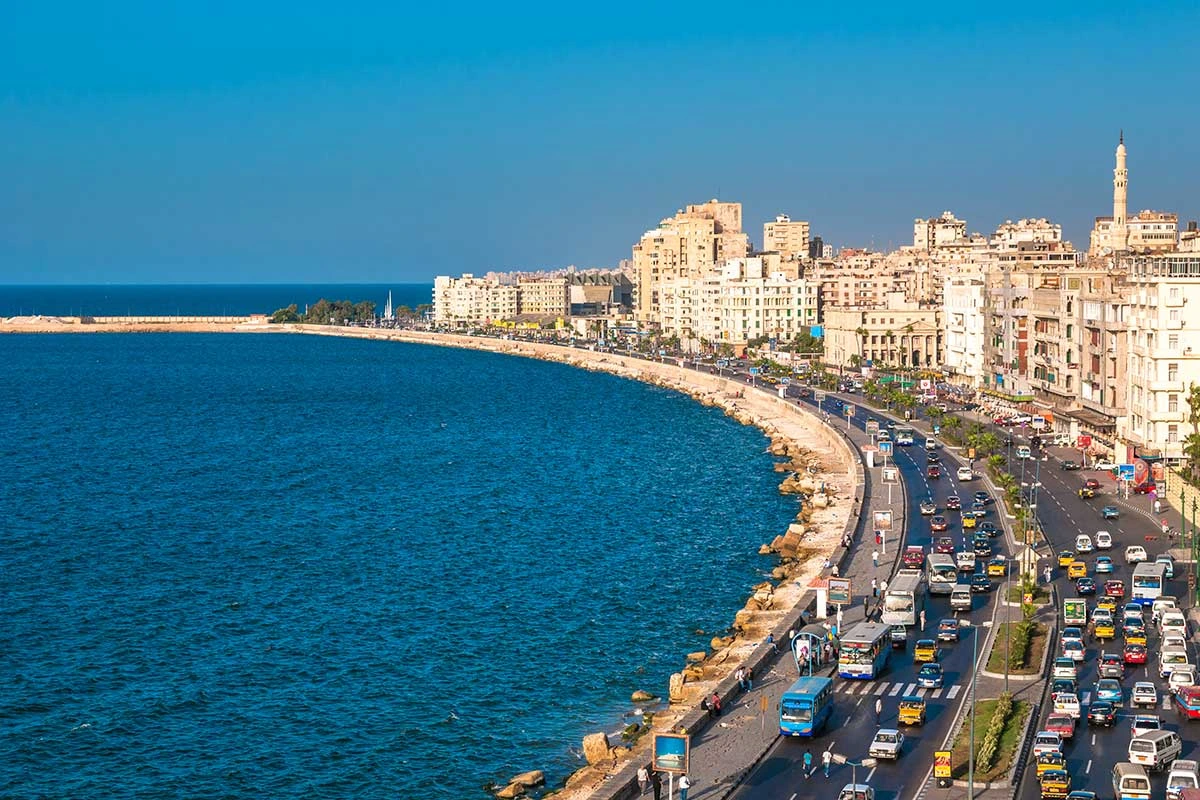
Arguably the most visually appealing aspect of the Qaitbay Citadel is its unique and mesmerizing location. The fortress sits on a rocky promontory projecting into the Mediterranean, and commands uninterrupted views of the clear blue sea, the fresh, saline air and the wave after wave of powerful waves that ceaselessly beat against the imposing stone walls. The whole surrounding Corniche has been turned into a wonderful spot for strolling, photo opportunities, and watching sunsets out at sea.
Architecture and Interior
The Qaitbay Citadel is a fantastic display of Islamic architecture and defense systems; built with formidable, tall walls and defensive features in mind, as it stands as one of the few remaining monuments of Medieval Egypt. As you wander through the tight passages and chambers that once served as quarters for soldiers, places for worship, and viewing points, you cannot help but imagine soldiers walking where you now stand. From the high battlements you'll get an awesome sight of Alexandria and its harbor.
Visiting the citadel is not a passive experience. The narrow stone corridors, the worn staircases, the small windows cut into thick walls to watch for approaching ships – everything tells a story without needing a caption. Climb to the upper levels and the Mediterranean opens up in every direction. On a clear day the view stretches far enough to understand exactly why this point was chosen – by the lighthouse builders, by the sultan, by every military strategist who came before and after. It is one of those rare places where the setting does as much work as the history.
Here's why Qaitbay Citadel is not to be missed in Egypt
Qaitbay Citadel is deemed as one of the most astounding of all the historic sites of Egypt and many of you travelers may look it up online through searches such as, 'best places to visit in Alexandria', 'historic forts in Egypt' and 'Mediterranean attractions in Alexandria'. Its sheer history, the astonishing Islamic architecture and astonishing views of the Mediterranean coast make it one of the many can't-miss destinations when traveling up to the north coast of Egypt. Built in the 15th century by Sultan Al-Ashraf Sayf al-Din Qaitbay right on the ancient site of the Lighthouse of Alexandria (one of the Seven Wonders of the ancient world) means that it is of tremendous historical importance.
The real unique attribute to Qaitbay Citadel is the feel it gives to tourists when visiting the site. Positioned at the edge of the sea, the citadel offers breath taking panoramic views over the coast, a cool sea breeze and perfect photo opportunities (particularly during sunrise and sunset). As you walk through the ancient fortress's huge stone walls, defensive towers, and historical passageways, you really feel like you've stepped back in time to when Alexandria was such a vital port and strategical city in the Mediterranean, not forgetting its formidable Islamic military architectural strength; designed to defend the Egyptian coastline.
.


.jpg "Giza Pyramids")