Best Time to Visit Lebanon: A Month-by-Month Guide
Best time to visit Lebanon at a glance
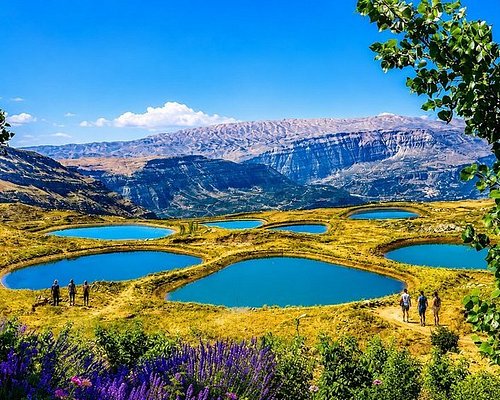
The best time to visit Lebanon is from April to early June and from late September to October. In these windows, Beirut and the coast sit around 22 to 28°C, rain is rare, the mountain roads are clear, and a single trip can include the coast, the Bekaa Valley and the cedar forests. July and August are the hottest and most humid months on the coast, the busiest for visitors, and the months of the main summer festivals. December to March is wet on the coast and snowy at altitude, which suits skiing better than sightseeing. Lebanon is only about 220 km long from north to south, so the seasons change more with altitude than with region.
Current travel advisories for Lebanon
As of 19 October 2026, the United States lists Lebanon at Level 4 (Do Not Travel), and Australia's Smartraveller advises against travel to Lebanon overall. Both cite armed conflict, terrorism, unrest and the risk of kidnapping. Australia also specifically advises against travel to the southern governorates of South Lebanon and Nabatieh, and within 5 km of the Syrian border. Airspace can close at short notice, which can disrupt flights from Beirut's international airport. Advisories and conditions on the ground change, so check your own government's current guidance and your travel insurer's terms before choosing dates, because many policies do not cover destinations under a do-not-travel advisory. The sections below describe seasons and weather. They are not a security assessment.
Lebanon month by month
January
Cold and wet on the coast, with highs around 16°C and the heaviest rainfall of the year. Snow covers the mountains, and ski resorts such as the Cedars and Mzaar Kfardebian are at their busiest. Coastal sightseeing works best on dry days, and roads to high villages can close after snowfall.
February
Still cool, with highs near 17°C, frequent rain and good snow for skiing. Almond trees begin to blossom at lower altitudes. It is a quiet month on the coast and in the cities, and hotel prices are usually lower than in spring.
March
Highs of about 19°C and unsettled weather, with sunny days alternating with rain. Wildflowers start at low altitude while the peaks still hold snow, so late-season skiing and the first hikes can overlap. Bring a rain layer for Beirut, Byblos and Baalbek.
April
One of the best months. Highs are near 22°C, rain is light and the hillsides are green after winter. The Bekaa Valley and the lower mountain trails are at their best, though the sea is still too cold for most swimmers.
May
Often the most balanced month, with highs around 26°C, about 12 hours of sunshine and almost no rain. Wildflowers continue in the hills, crowds are moderate and prices have not yet risen for summer. By the end of the month, people who tolerate cool water can start swimming.
June
Highs of about 28°C, dry weather and long days. The coast is warm enough for beach days, and mountain villages above 1,000 m are comfortable for hiking. Lebanese visitors from the diaspora begin to arrive, so flights and rooms get more expensive as the month goes on.
July
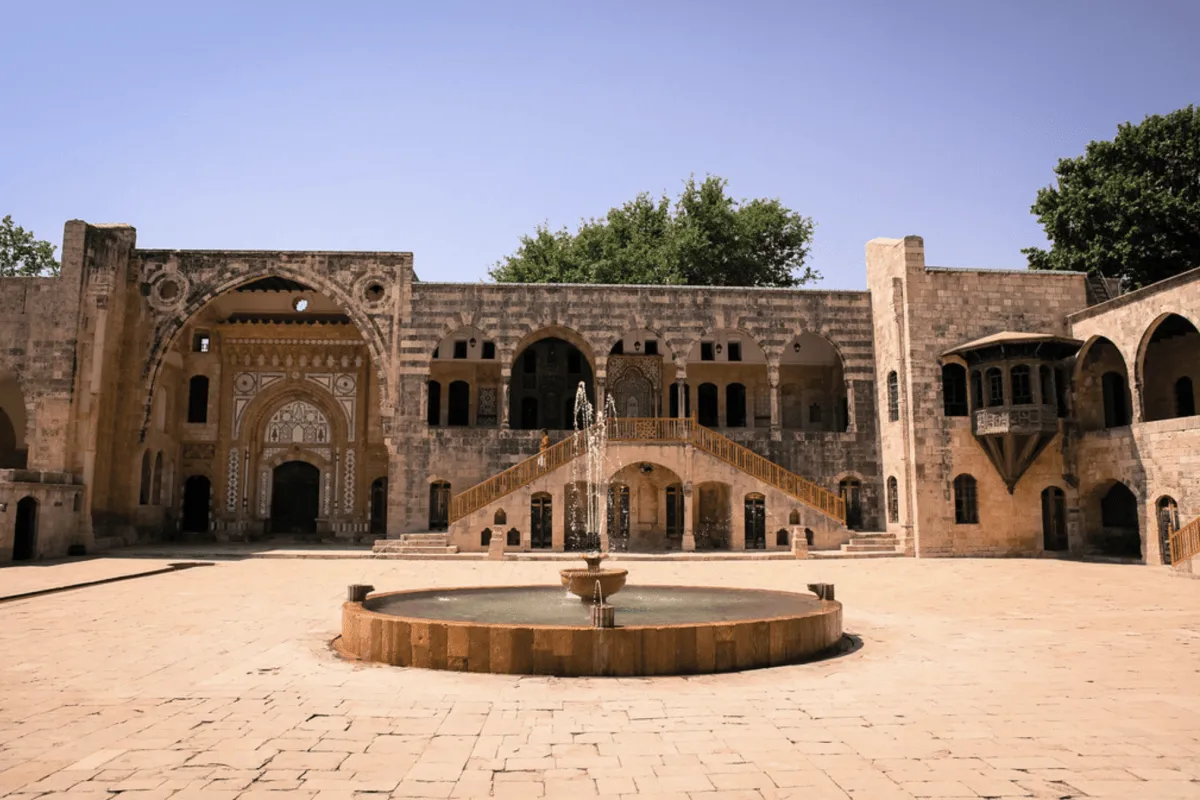
Hot and humid on the coast, with highs around 31°C and nights near 24°C. This is the month of beach clubs, mountain villages and the summer festivals at Baalbek, Beiteddine and Byblos, so bookings fill early. Low-altitude sites are best visited first thing in the morning.
August
The hottest month on the coast and the peak of diaspora travel. Humidity is high, the sea is at its warmest and prices are at their highest. Baalbek and the Bekaa are dry and hot, so visit at dawn or head to the mountains instead.
September
Still warm, with highs near 30°C, but humidity eases and crowds thin out once the diaspora leaves. The sea stays warm enough for swimming, and the grape harvest begins in the Bekaa Valley, home to wineries such as Ksara and Kefraya.
October
Many travelers' favorite month, with highs near 27°C, clear air and light rain returning only toward the end. Hiking is comfortable, sea swimming is still possible in the first half, and the Bekaa wine harvest winds down. Autumn color in the mountains arrives later in the month.
November
Highs around 23°C, but coastal rainfall rises to roughly 65 mm for the month. Days get shorter and the first snow can reach the highest mountains. It suits cultural visits and city stays, with fewer visitors and generally lower prices.
December
Highs near 19°C, frequent rain on the coast and an early ski season if snow arrives. Christmas is a public holiday on 25 December: Beirut and the towns of Mount Lebanon put up lights, local travel increases and restaurants fill up.
Which month to choose for what you want to do
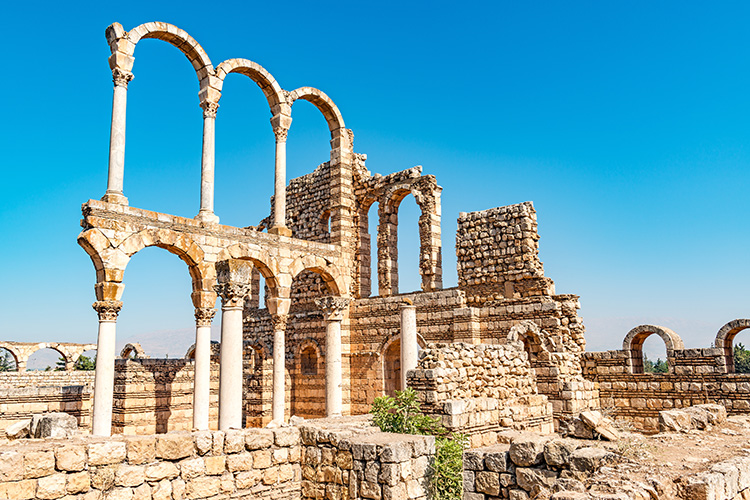
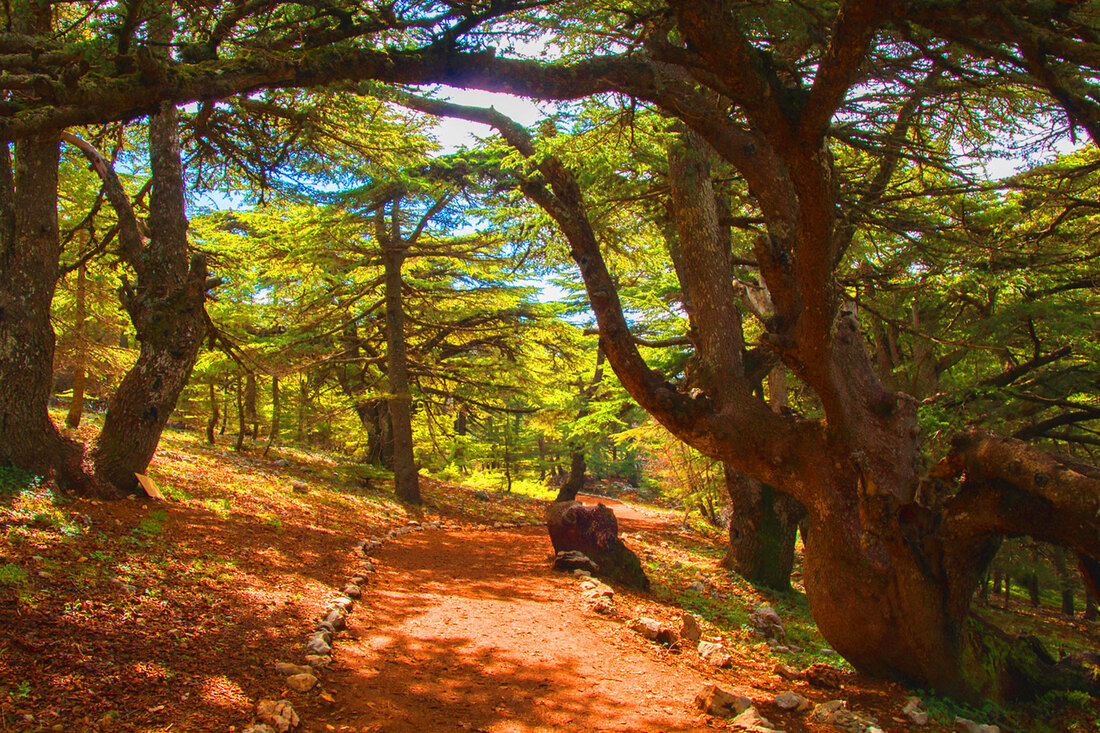
The right month depends on the activity. For hiking and wildflowers, choose April to June. For beaches and nightlife, July to September. For the wine harvest, September and October. For skiing, January and February have the deepest snow, though it can fall from December to March depending on the year. The festivals at Baalbek, Beiteddine and Byblos run in July and August, with dates announced by each organizer every year. For city and archaeological sightseeing (Byblos, Baalbek and Tyre are all UNESCO World Heritage Sites), April, May, October and November avoid the midday heat. The Mediterranean coast and the high mountains can differ by 10°C or more on the same day, so a morning among the cedars and an afternoon by the sea is realistic.
Ramadan, holidays and the diaspora season
Ramadan moves about eleven days earlier each year, and in 2027 it is expected to run from roughly early February to early March. In Muslim-majority areas, restaurants may open later in the day, while Christian areas of Mount Lebanon and Beirut are largely unaffected. Christmas and Easter, which Western and Eastern churches celebrate on different dates, bring more local travel and busier roads. From late June to late August, many Lebanese who live abroad come home, which pushes up the price of flights and rooms. Confirm dates against an official calendar before booking.