How Many Days in Lebanon? What You Can See in 3, 5 or 7 Days
How many days do you need in Lebanon?
Short answer: five. Two days in Beirut, one on the coast, one up in the mountains, plus a buffer day, because something always runs late. Three days works too, as long as you accept staying around Beirut. With seven, the north opens up: the Qadisha Valley and the Cedars of God.
The country is small, so that's not really the issue. What eats days is the traffic out of Beirut and how long you actually want to stand in front of things.
Here's the short version:
- 3 days: based in Beirut, covering Beirut plus Byblos or the Jeita Grotto. The farthest point is Byblos, about 40 km away.
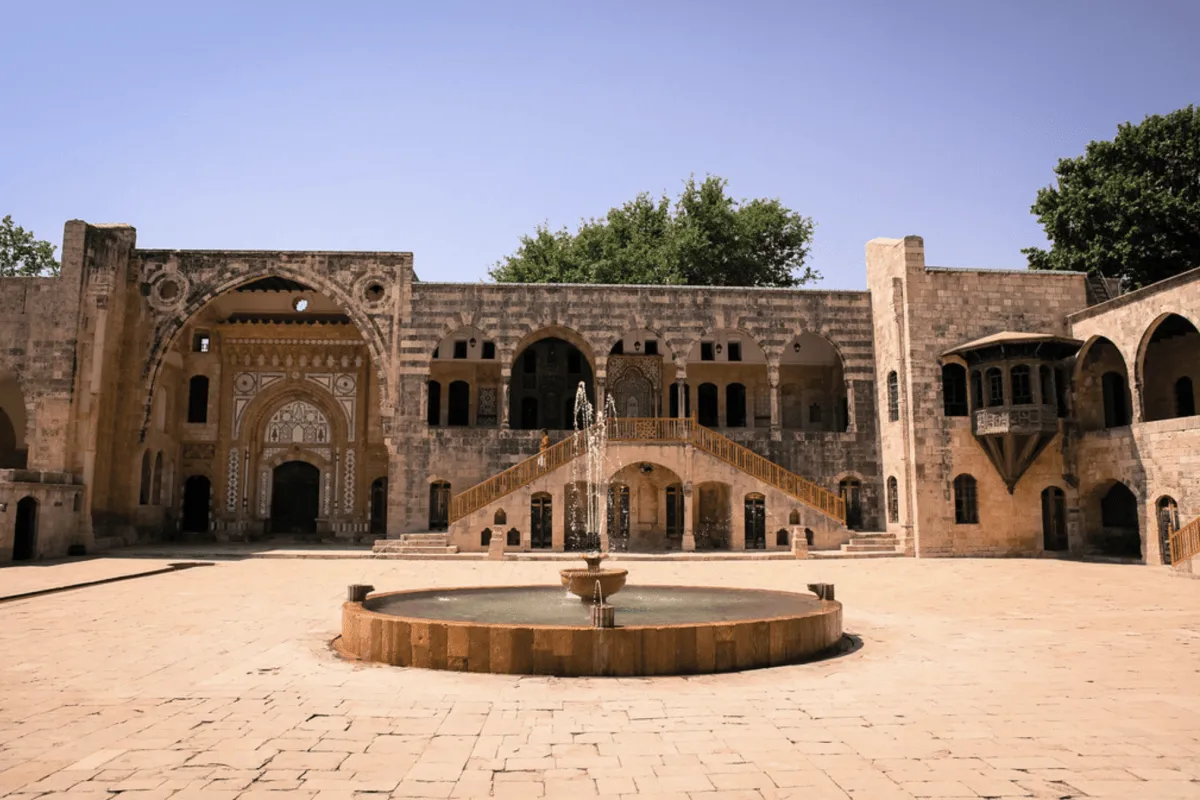
- 5 days: still based in Beirut, adding Batroun and the Chouf mountains (Beiteddine Palace and Deir el-Qamar). The farthest point is Beiteddine, about 45 km away.
- 7 days: Beirut plus a night near Bsharri, adding the Qadisha Valley and the Cedars of God. The farthest point is about 130 km away, roughly two hours each way.
3 days in Lebanon: Beirut plus one day trip
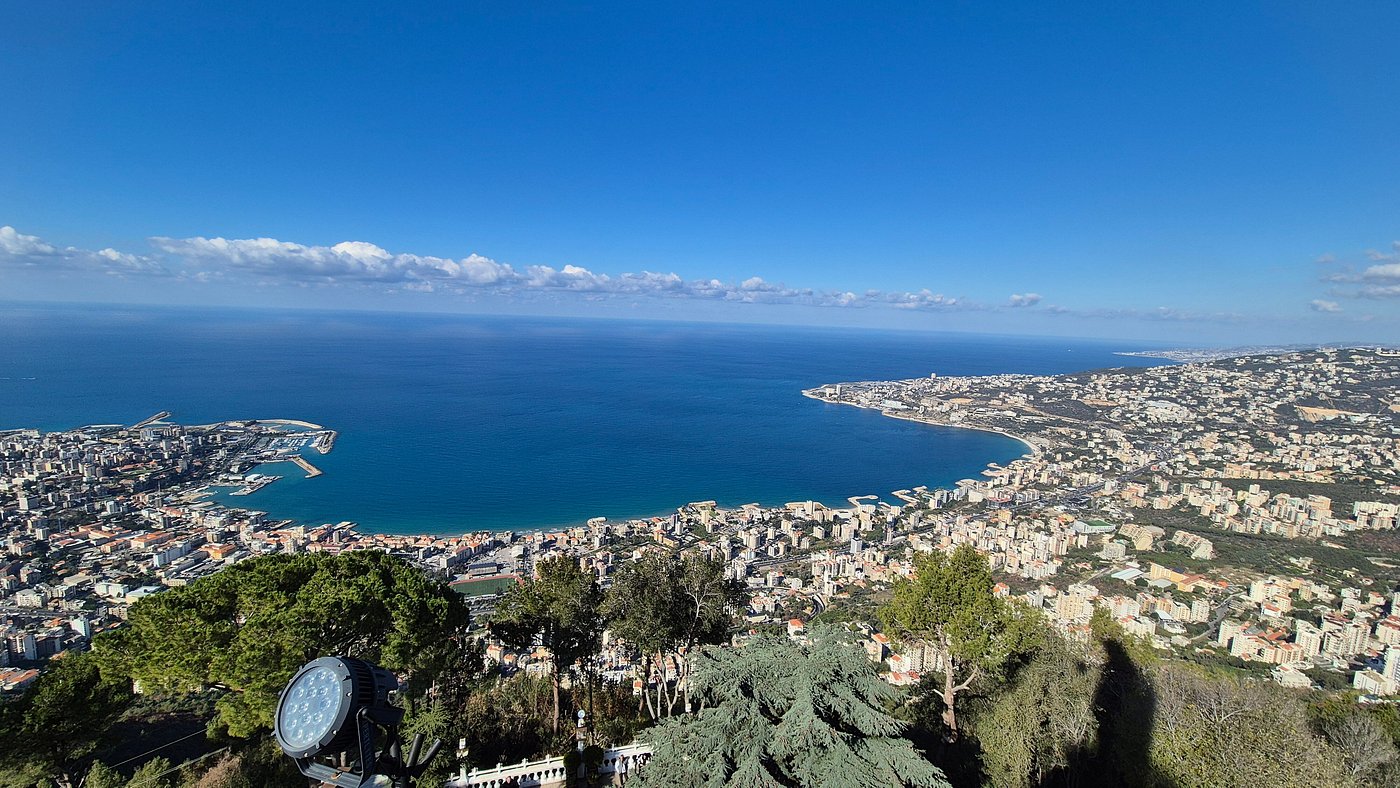
Three days means Beirut plus one trip out. Honestly, Beirut alone deserves two of them. The National Museum of Beirut is the quickest way to see the country's archaeology in one go, the Corniche is a good long walk by the sea, and the Pigeon Rocks at Raouche are the big rock stacks just offshore.
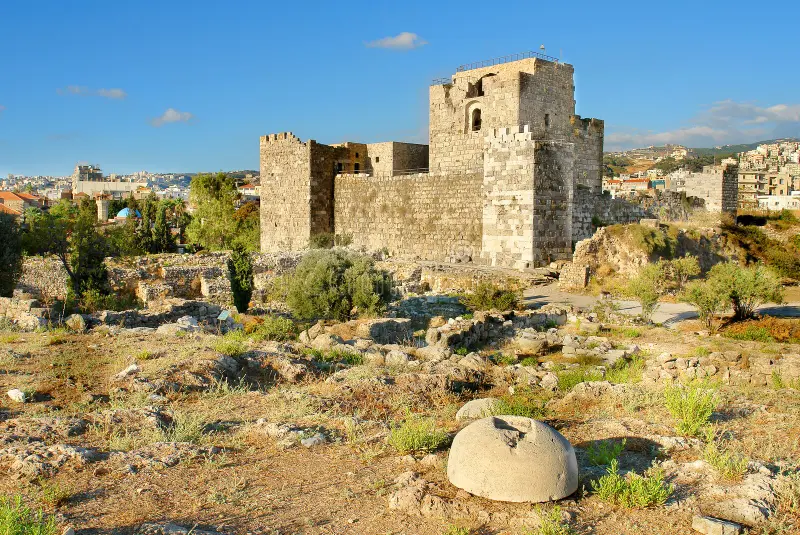
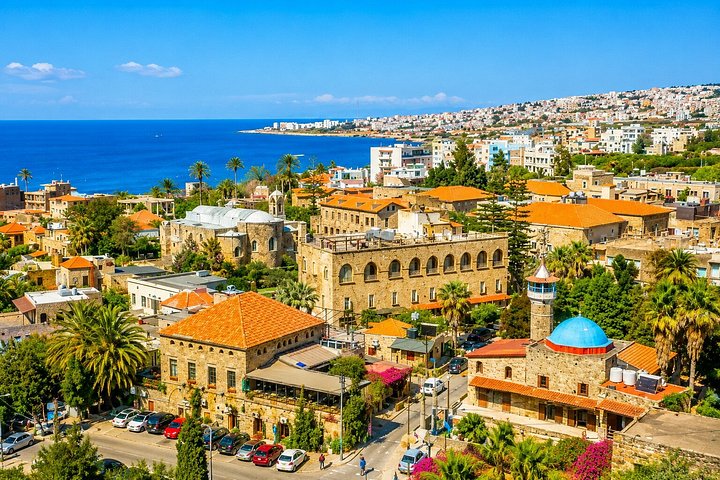
For day three, pick Byblos or the Jeita Grotto. Byblos is about 40 km north of Beirut: an old harbour with Phoenician and Roman remains, a Crusader castle, and a UNESCO listing. Jeita is closer, about 18 km out. It's a limestone cave system where you walk the upper galleries and ride a boat through the lower cave (when the water is high in the rainy season, the boats can stop). Both in one day? Possible. You'd just be rushing them.
A simple version:
- Day 1: the National Museum of Beirut, then the Corniche and the Pigeon Rocks at Raouche.
- Day 2: Downtown, and neighbourhoods like Gemmayze and Mar Mikhael for cafés and dinner.
- Day 3: Byblos or the Jeita Grotto.
5 days in Lebanon: the coast and the mountains
Five days is basically the three-day plan plus two days away from Beirut. Here's one way to cut it. Two days in Beirut. One for Jeita and Byblos. One for the coast around Batroun. One in the Chouf mountains.
Batroun is a small coastal town north of Byblos, with an old harbour, a souk, and a Phoenician sea wall. The Chouf is a different pace. Beiteddine Palace sits about 45 km southeast of Beirut, and its rooms have carved, painted cedar wood. Part of it is still the president's summer residence, though, so you only get to see some of it. Deir el-Qamar, about 5 km from the palace, is the obvious extra stop if the day has room.
Day by day:
- Days 1 and 2: Beirut, as above.
- Day 3: the Jeita Grotto in the morning, Byblos in the afternoon.
- Day 4: Batroun and the coast.
- Day 5: Beiteddine Palace and Deir el-Qamar.
7 days in Lebanon: adding the north
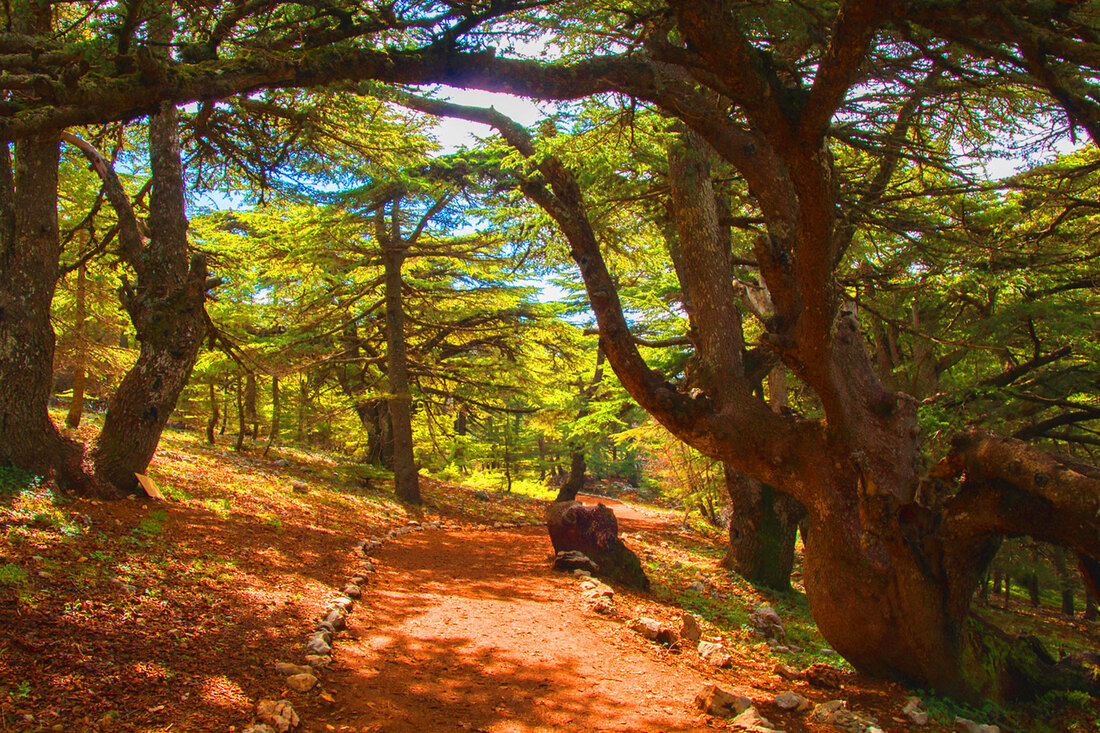
Add two more days and you can reach the north. That means the Qadisha Valley and the Forest of the Cedars of God near Bsharri, which UNESCO listed together as one World Heritage Site in 1998. Think deep gorges, some of the oldest Christian monasteries in the Middle East, and one of the last natural stands of Lebanese cedar.
It's about 130 km from Beirut, roughly two hours each way when the roads are clear. We'd treat it as a whole day. Better still, sleep near Bsharri and start the next morning without the drive. Byblos and Batroun are on the way, so you can break the trip up. Days left over? Slow Beirut down, or give the mountains a second day.
Days 6 and 7 look like this:
- Day 6: drive north (Batroun makes a good stop on the way), see the Qadisha Valley in the afternoon, and sleep near Bsharri.
- Day 7: the Cedars of God in the morning, then back to Beirut.
What changes the number of days
Four things push the number up or down: where you sleep, how you get around, what month you travel, and what you're actually there to see. Sleeping in Beirut works for the coast and the Chouf. The north is the exception, since a night near Bsharri beats a long round trip, so a Lebanon itinerary that includes it usually needs an extra day.
How long to spend in Lebanon also depends on wheels. A car with a driver saves a lot of time on mountain roads, while buses mostly run along the coast. Beirut traffic can be heavy, especially at rush hour, so anything that crosses the city needs a cushion. Mainly here for archaeology and food? Three to five days is plenty. If hiking in the Qadisha Valley is the plan, give it extra days of its own.
When to go
Spring and autumn win for sightseeing, whatever length you pick. In summer, head for the coast or the mountain villages rather than the cities. Winter brings heavy snow to Bsharri and the higher mountains, and the boats at Jeita can stop when the water is high. If your dates are fixed, schedule the north and the Chouf for the warmer months and keep Beirut and the coast as your fallback.