5 Days in Lebanon: A First-Timer’s Itinerary and Planning Guide
Is 5 Days Enough for Lebanon?
Yes. For a first visit, five days is enough to see Beirut and the main sights around it without rushing. Lebanon is smaller than Connecticut, and every stop in this itinerary sits within roughly an hour of the capital. Byblos is about 45 minutes north of Beirut without traffic, and Jeita Grotto is closer still. You can sleep in the same hotel every night and spend your days sightseeing instead of packing and checking out.
Traffic slows things down more than distance does. The coastal highway between Beirut and the north is often congested, so a drive that looks short on the map can take much longer than expected. Stick to one area per day and get on the road early.
Seeing the whole country is a different matter. If you have a week, use the extra days to slow down in Beirut or spend longer in the mountains rather than adding more stops.
Where to Stay: Why Beirut Works as Your Base
Stay in Beirut for all five nights, ideally in Hamra or Achrafieh. Every day trip in this itinerary starts and ends in the capital, so one hotel saves you from repacking and gives you the widest choice of restaurants in the evening. Beirut–Rafic Hariri International Airport is only about 9 kilometers from downtown, which also makes arrival and departure days easier.
Hamra, in West Beirut, is the easiest neighborhood for a first visit. It grew up around the American University of Beirut, and its main street is lined with cafés, bookshops, and mid-range hotels. From there you can walk to the Corniche, the city’s seafront promenade, and follow it to Raouche.
Achrafieh, on the eastern side of the city, is quieter and more residential, with steep streets of older houses and the Sursock Museum. It’s also a little closer to the highway north, which helps on the days you head to Jeita, Byblos, and Batroun.
Gemmayzeh and Mar Mikhael, just below Achrafieh, have one of the city’s busiest clusters of bars and restaurants. Both were badly damaged in the August 2020 port explosion, and much of the area has since been rebuilt. They’re good for evenings out, but light sleepers may prefer a room a few streets away.
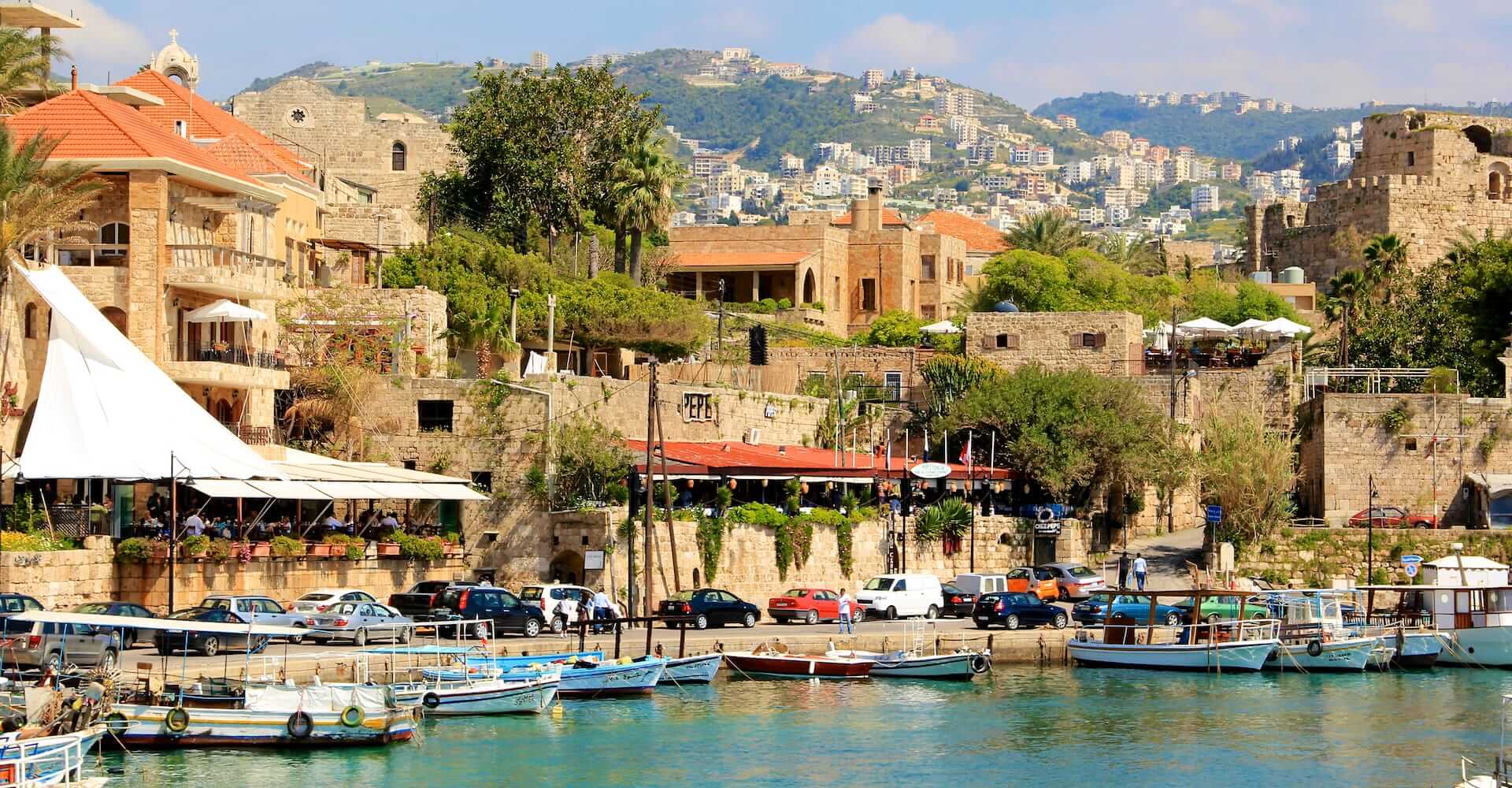
If you’d rather wake up by the sea in a smaller town, Byblos has boutique hotels and guesthouses near its old harbor. The trade-off is a drive of around 45 minutes each way on the days you spend in Beirut, so it works best if you’re happy to give the capital a little less time.
One practical point applies wherever you book. Lebanon still has frequent power cuts, so check that your hotel runs its own generator around the clock.
Your 5-Day Lebanon Itinerary at a Glance
This 5-day Lebanon itinerary spends two days in Beirut and three on day trips from the capital. Day 1 covers downtown Beirut, the Corniche, and Raouche, a light start that still works if you land that morning. Day 2 stays in the city for the National Museum of Beirut, the Sursock Museum, and an evening in Gemmayzeh or Mar Mikhael.
On Day 3 you head north to Jeita Grotto, take the cable car from Jounieh up to Our Lady of Lebanon at Harissa, and finish the afternoon in Byblos. Day 4 goes inland to the Chouf mountains for Beiteddine Palace and the old village of Deir el Qamar. Day 5 ends on the coast in Batroun, about an hour north of Beirut without traffic, and you’ll still be back in time for an evening flight.
The order isn’t fixed. If the news changes or the weather turns, swap the day trips around and keep a Beirut day in reserve as a buffer.
Day 1: Downtown Beirut, the Corniche, and Pigeon Rocks
Spend your first day on foot between downtown Beirut and the sea. It’s an easy introduction to the city, and you can shorten it if you land that morning.
Start at Martyrs’ Square, where the blue domes of the Mohammad Al-Amin Mosque rise beside the Maronite Cathedral of St. George, two of Beirut’s best-known places of worship standing a few steps apart. Nearby, the excavated Roman Baths sit on the slope below the Grand Serail and give you a glimpse of Berytus, the Roman city that lies under today’s downtown. Nejmeh Square and its clock tower are a short walk away, though access is sometimes closed off because the Lebanese Parliament stands on the square.
From there, head to Zaitunay Bay, the marina at the western edge of downtown, and follow the Corniche west. This seafront promenade is where Beirut goes to walk, jog, fish, and smoke a narghile, and it’s the best free people-watching in the city. At an easy pace, give yourself around an hour to reach Raouche.
Try to get there before sunset. Raouche is known for Pigeon Rocks, two limestone sea stacks just off the cliffs, and the cafés along the edge are the classic spot to watch the light fade behind them over coffee or an early dinner. Afterward, a short taxi or ride-hailing trip gets you back to Hamra or anywhere else in central Beirut.
Day 2: National Museum of Beirut, Sursock Museum, and Gemmayzeh
Day 2 covers Beirut’s history and art in the morning and its liveliest streets in the evening. Get to the National Museum of Beirut, the country’s main archaeological museum, close to opening time, when the galleries are quiet.
The museum sits on the former Green Line, the front line that divided the city during the 1975–1990 civil war, and its staff protected the collection by encasing large pieces in concrete. A short film near the entrance shows how they did it, and it’s worth the ten minutes. Look for the sarcophagus of King Ahiram of Byblos, whose inscription is one of the earliest known examples of the Phoenician alphabet, and the painted Roman-era tombs in the basement. Two hours covers the collection comfortably.
Next, take a short taxi ride to Achrafieh for the Sursock Museum, a 1912 mansion that now shows modern and contemporary Lebanese art. The 2020 port explosion badly damaged it, and it reopened in 2023. The building alone, with its white facade and stained-glass windows, makes the trip worthwhile.
From the museum, walk downhill to Gemmayzeh by the St. Nicholas Stairs, a long public staircase between old houses. Gouraud Street in Gemmayzeh and Armenia Street in neighboring Mar Mikhael are packed with restaurants and bars. Beirut eats late, so you’ll have time for a coffee and a slow walk before dinner.
Day 3: Jeita Grotto, Harissa, and Byblos
Day 3 is the classic day trip north of Beirut. Start early at Jeita Grotto, a limestone cave system about 20 kilometers from the city in the Nahr al-Kalb valley. You walk through the upper gallery, with its huge stalactites, and the lower cave is visited by boat on an underground river. Photography isn’t allowed inside, and the lower cave can close in winter when the water runs high.
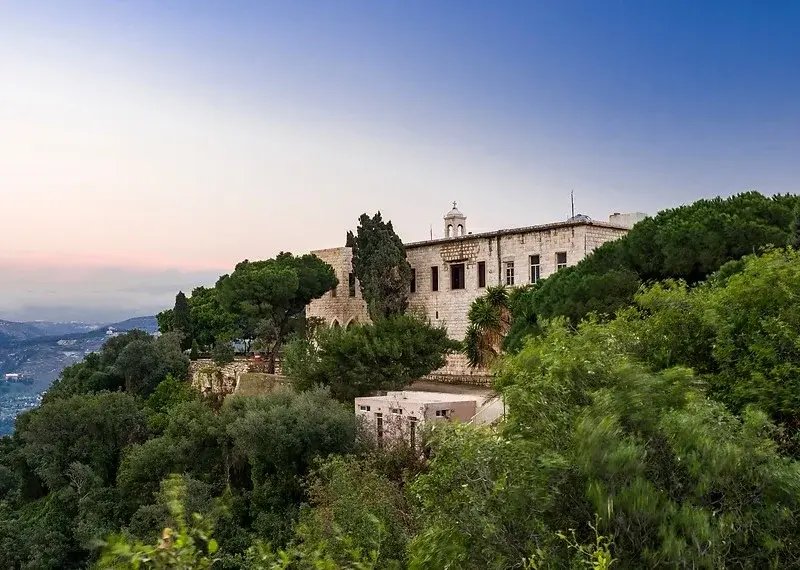
From Jeita, drive down to Jounieh and take the cable car up to Harissa, where the white statue of Our Lady of Lebanon looks over the bay. The ride takes around ten minutes, and the views of the coast are the main draw.
Spend the afternoon in Byblos, a UNESCO World Heritage Site and one of the oldest continuously inhabited towns in the world. Walk through the archaeological site and its 12th-century Crusader castle, then the old souk. End at the small harbor, where the restaurants face the sunset.
Day 4: Beiteddine Palace and Deir el Qamar in the Chouf
Day 4 takes you about an hour southeast of Beirut into the Chouf mountains, a quieter and greener side of Lebanon. Stop first in Deir el Qamar, a village of stone houses and red-tiled roofs that served as the seat of Lebanon’s emirs in the 17th and 18th centuries.
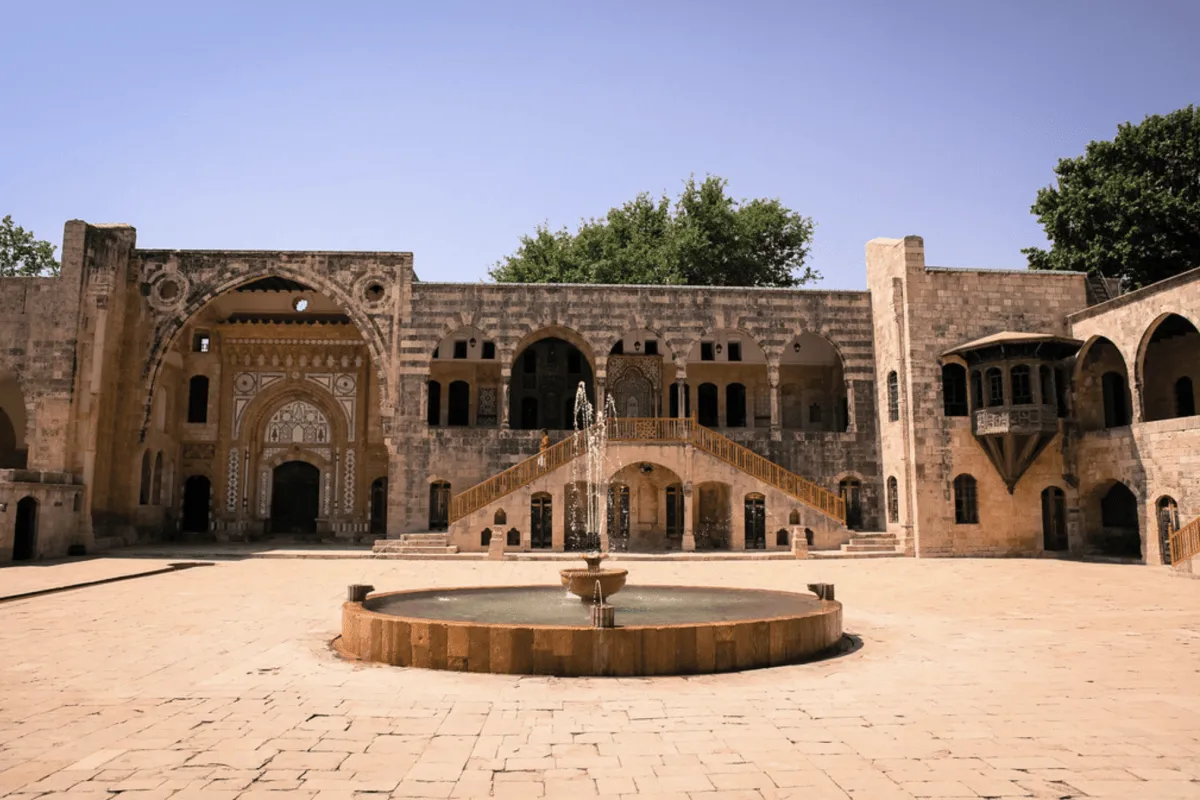
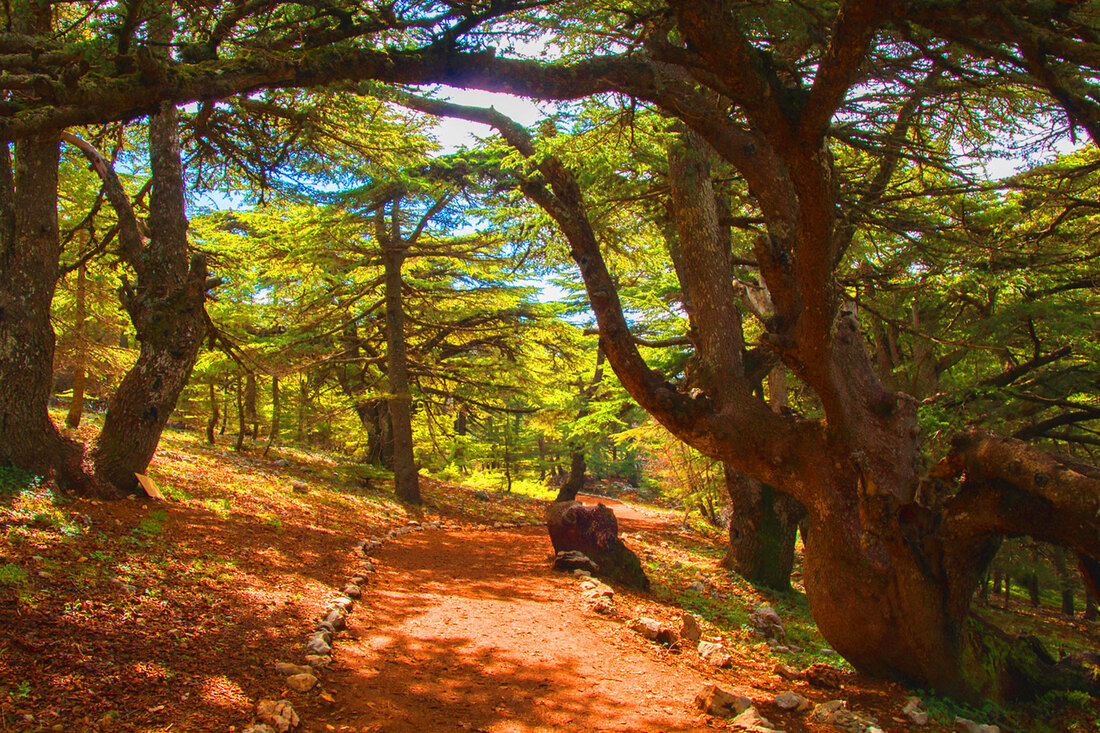
A few minutes up the road, Beiteddine Palace was built in the early 19th century by Emir Bashir Shihab II. Its courtyards, carved wooden ceilings and large collection of Byzantine mosaics need about two hours. Have lunch in one of the villages before heading back. If you enjoy hiking, the Chouf Cedar Reserve, Lebanon’s largest cedar reserve, is close enough for a short walk instead.
Day 5: Batroun and the North Coast
Your last day is an easy one on the coast, about an hour north of Beirut. Batroun is a small seaside town with an old souk, the fishermen’s church of St. Stephen on the harbor, and the remains of a Phoenician sea wall. Try a glass of its fresh lemonade, which the town is known for.
In summer, spend the afternoon at one of the beach clubs nearby. Leave Batroun by late afternoon if you’re flying out that evening, since the airport is on the far side of Beirut and the coastal highway is often slow.
Baalbek, Tyre, and Sidon: When to Add Them to Your Trip
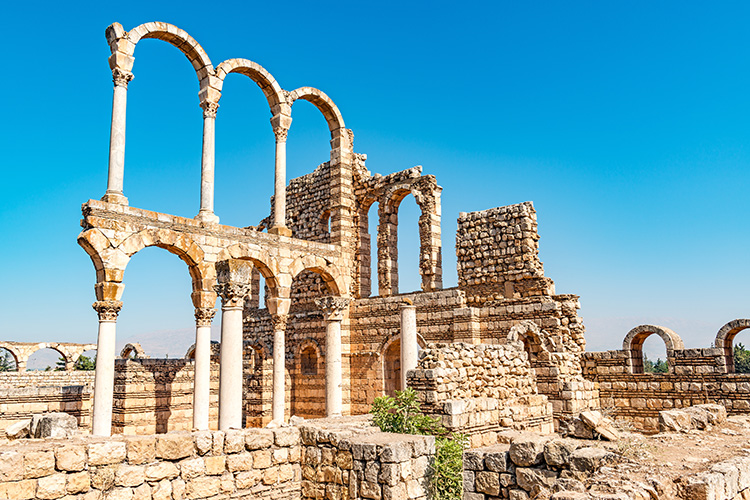
Baalbek, in the Bekaa Valley, is the Roman city of Heliopolis and a UNESCO World Heritage Site. Its Temple of Bacchus is one of the best-preserved Roman temples anywhere, and six columns still stand from the Temple of Jupiter. The drive over the mountains takes around two hours each way, so Baalbek needs a full day, often paired with the Umayyad ruins of Anjar or a winery in the valley.
Tyre and Sidon, two of the great Phoenician port cities, fit together in one day on the southern coast. Sidon, about 45 kilometers south of Beirut, has a Crusader sea castle and an old souk. Tyre, another UNESCO site further south, is known for its Roman hippodrome and colonnaded streets running down to the sea.
When conditions allow, a seven-day trip can include both: one day for Baalbek and one for the south.
Practical Tips for Your First Trip to Lebanon
Once the itinerary is set, a few practical details will shape how smoothly you plan a trip to Lebanon. These are the ones first-time visitors ask about most.
Visa and Entry Requirements
Citizens of the United States, the UK, Canada, Australia, and most EU countries can get a free one-month tourist visa on arrival at Beirut–Rafic Hariri International Airport, and it can be extended up to three months at no extra cost. Carry a return ticket and your hotel booking, and make sure your passport has at least six months of validity.
Money: US Dollars, Lebanese Pounds, and Cards
Since the 2019 financial crisis, much of Lebanon runs on US dollars. Hotels, many restaurants, and drivers quote prices in dollars, and you’ll often get change in Lebanese pounds. Bring clean, undamaged dollar bills in small denominations, and treat cards as a backup: hotels and upscale restaurants accept them, but cash is still the norm almost everywhere else.
Getting Around: Private Drivers, Ride-Hailing and Taxis
Lebanon has no train network, and public minibuses are hard to use if you don’t speak Arabic. In Beirut, ride-hailing apps such as Uber and Bolt are the simplest option. Regular taxis don’t use meters, so agree on the fare before you get in. For the day trips, a private driver is the most practical choice, since one car can link Jeita, Harissa and Byblos in a single day without transfers.
Best Time to Visit Lebanon
The best months are April to June and September to October, when the coast is warm and the mountains are green. July and August are hot and humid on the coast and busier, especially with Lebanese visiting from abroad. Winter brings rain to Beirut and snow to the mountains, and the lower cave at Jeita may be closed.