Where to Stay in Lebanon: Beirut or Beyond?
Where should you stay in Lebanon?
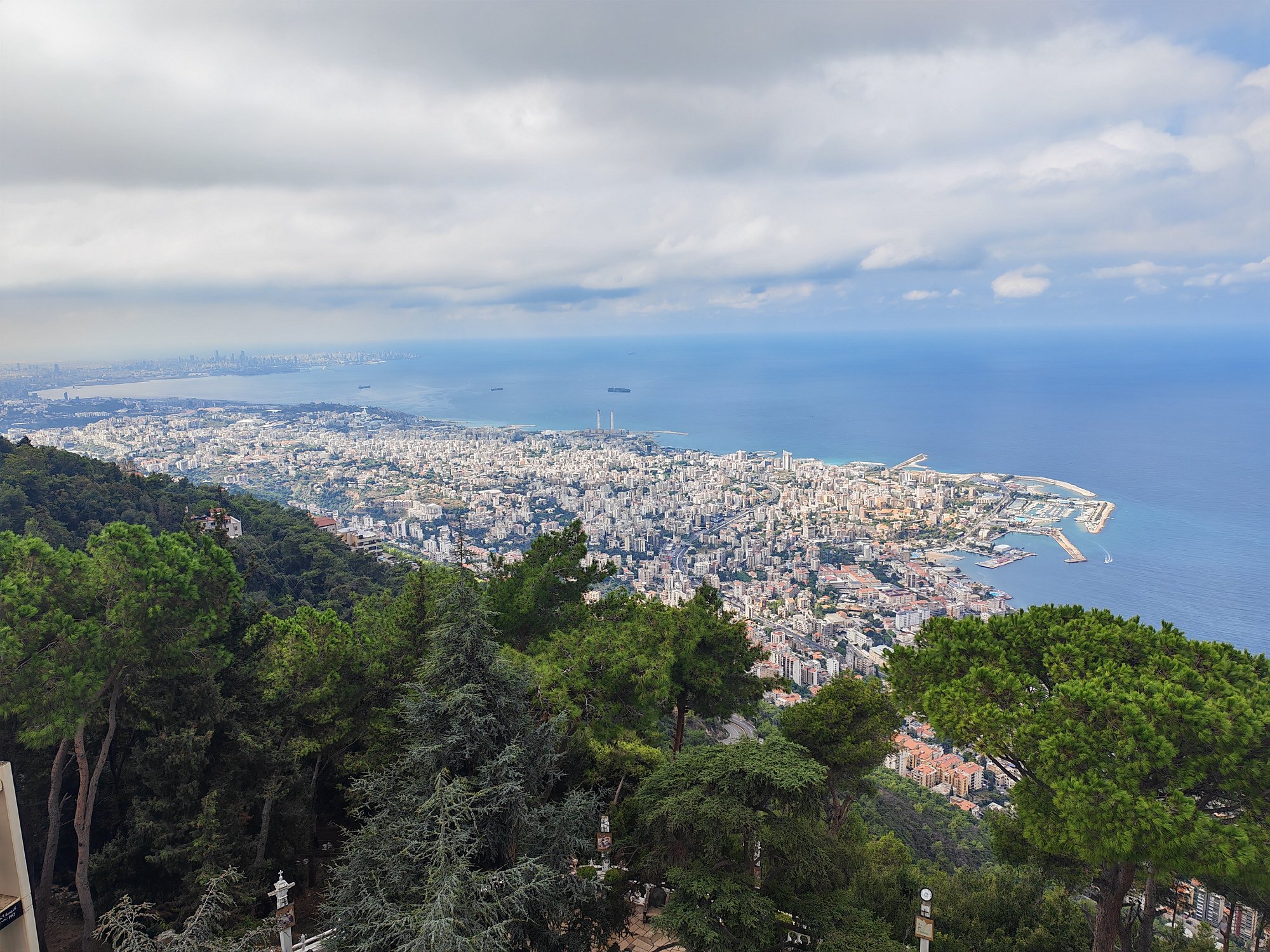
Beirut, unless you've got a reason not to. It has the most hotels and restaurants, and it's where you'll want to collapse after a long day out. What matters more is the neighborhood. Beirut can feel like three different cities depending on where you drop your bag.
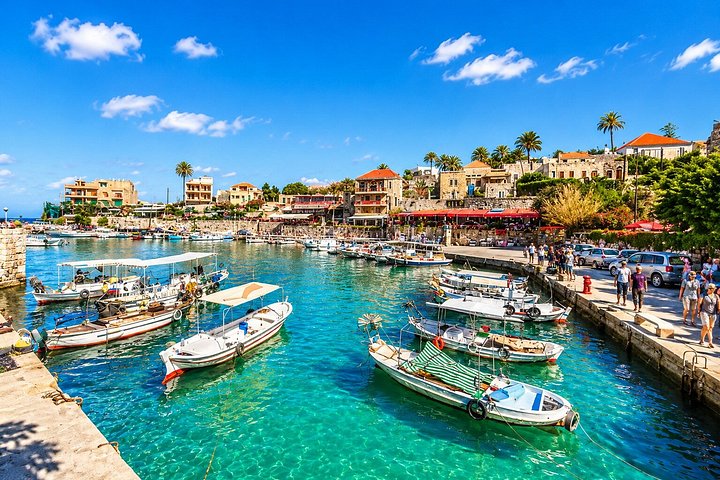
Outside the capital you've got smaller choices: a coastal town like Byblos or Batroun, or a guesthouse up in the mountains. They make a nice change of pace, and a few people prefer them as their main base.
Beirut, neighborhood by neighborhood
The city sprawls and the traffic is slow, so somewhere that looks close on the map can feel far. Six areas come up again and again.
- Achrafieh has leafy boulevards, calm streets, hidden cafés and a few museums, and it's easy to walk around. Gemmayze and Mar Mikhael are part of it, which is where the bars are.
- Geitawi sits right next to Achrafieh. It's residential and laid-back, with neighborhood shops, cafés and vintage stores. Don't expect big luxury hotels.
- Hamra, in West Beirut, is the restaurant and shopping hub. It's central and lively, and the traffic and noise barely stop.
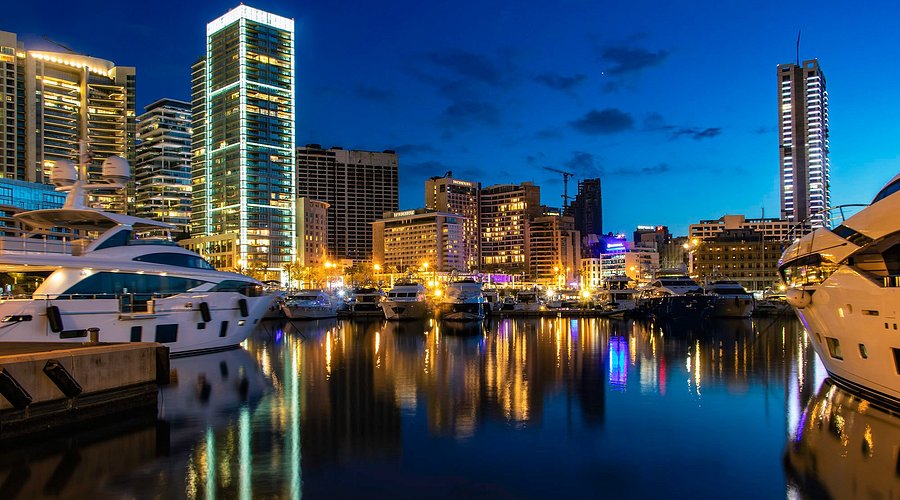
- Ain El Mreisseh is on the seafront next to Hamra. Rooms are modern, many have sea views, and you can walk the Corniche to Raouche.
- Downtown has broad tree-lined avenues, high-end shops and five-star hotels. It was redeveloped for visitors, so it's polished, if a little less like everyday Beirut.
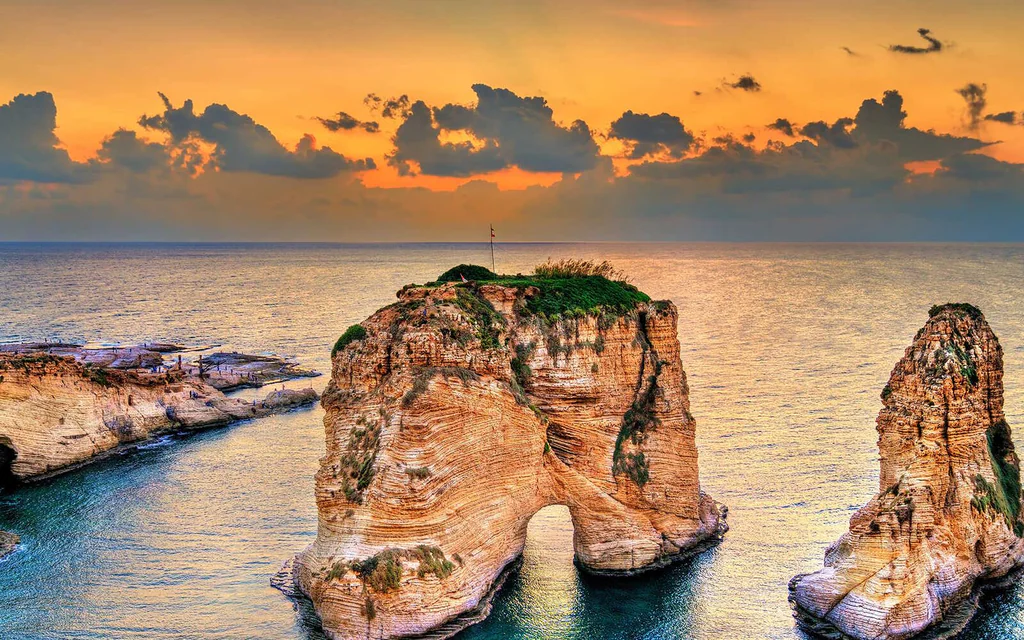
- Verdun and Raouche are calmer and leafy, with modern apartment blocks, a mall, and a short walk to the sea and the Pigeon Rocks.
Can't pick? Go with Achrafieh on a first visit. If you sleep lightly, look at Verdun or Geitawi.
Hotel or guesthouse?
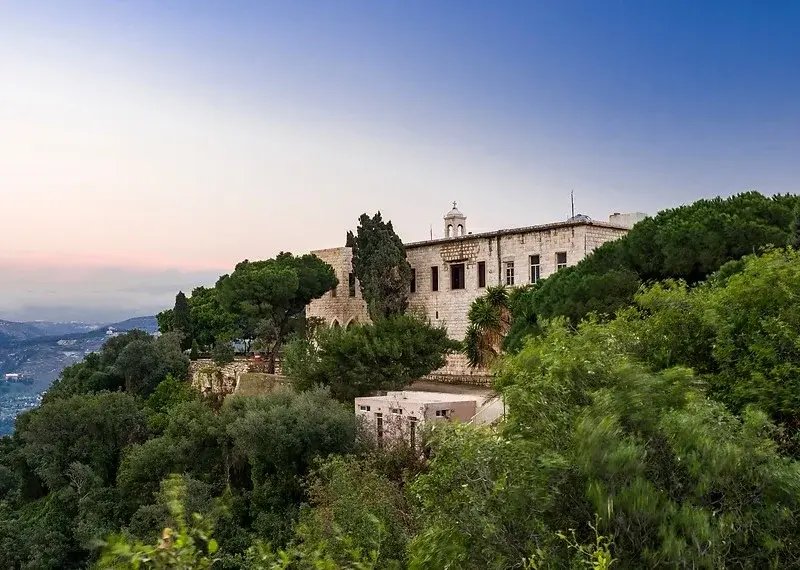
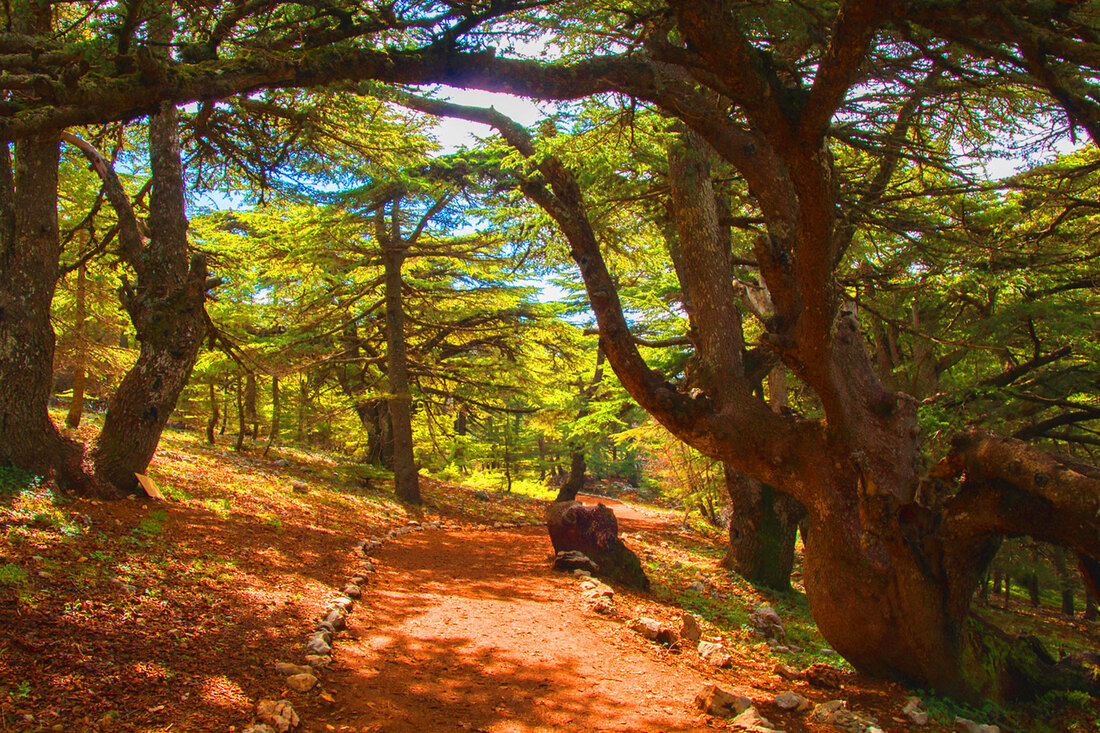
In Beirut it's mostly hotels, and you'll have plenty to choose from. The mountains work differently. Guesthouses are the norm up there, and honestly they're often the nicer stay. Most are family-run, in restored stone houses, with a garden, breakfast on the table and walking trails nearby.
The catch is that they only have a handful of rooms. Book early, and check they're open outside summer, because some aren't.
Staying on the coast: Byblos and Batroun
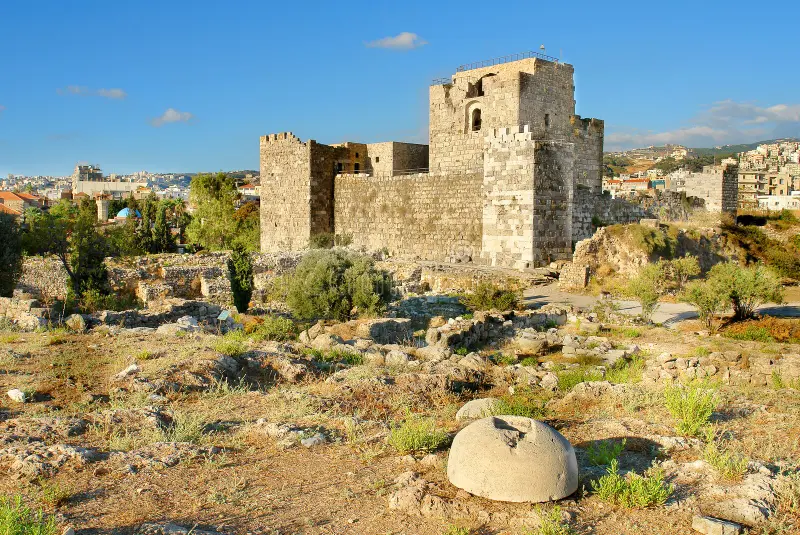
Byblos is small, so the old port is a short walk from wherever you sleep. Stay the night and you can wander it once the day-trippers have gone home. Batroun is further up the coast: a seaside town with an old harbour and a souk, and a lot busier in summer.
A coastal base works well for couples, return visitors, and anyone who'd rather be by the water than in a city. The trade-off is quiet nights, fewer restaurants, and a drive whenever you want Beirut's museums.
Which base suits you?
Here's how I'd match it up. Sightseeing on a first visit: Achrafieh or Downtown. Nightlife: Gemmayze, Mar Mikhael or Hamra. Families and light sleepers usually do better in Verdun, Raouche or Geitawi, while sea views mean Ain El Mreisseh. Traveling solo or on a budget? Geitawi or Hamra. And if you want a slow trip with few plans, pick Byblos, Batroun or a mountain guesthouse.
Before you book
Ask which side of the building your room is on. In Gemmayze, Mar Mikhael and Hamra, a room over the street can mean music until late. Think about where your days will start, too, because Beirut traffic can turn a short distance into a long one. If you have a driver, the exact spot matters less, since nobody's hunting for a taxi or a parking space. If you'd rather walk, Achrafieh and Hamra put the most within reach.