Karnak Temple Complex
Take a walk through the magnificent Great Hypostyle Hall
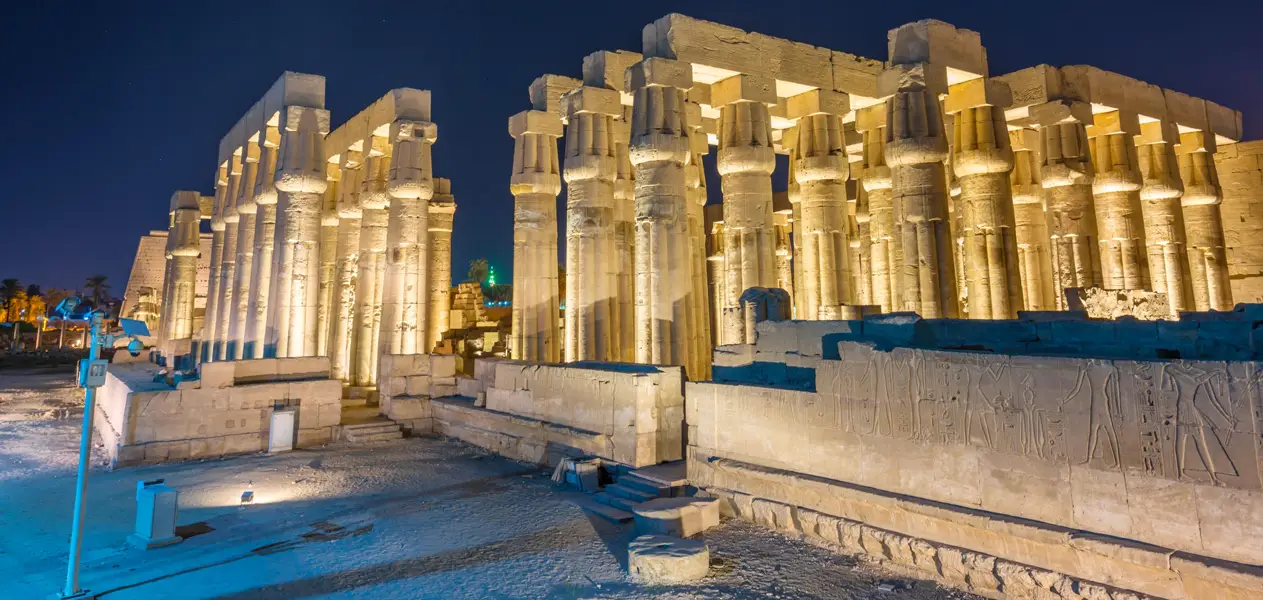
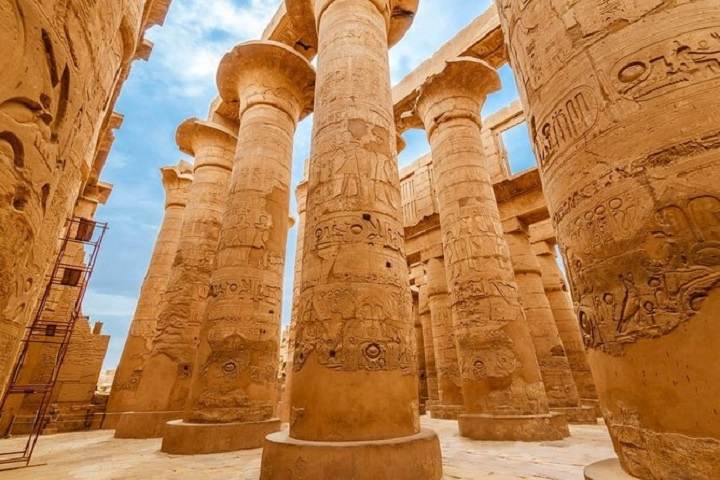
Nothing prepares you for the Great Hypostyle Hall. Not the photos, not the descriptions, not the floor plan. 134 columns. Over 50,000 square feet. Some pillars pushing past 21 meters. Built by hand. Still standing. and are covered in hieroglyphics and carvings that have lasted for millennia.
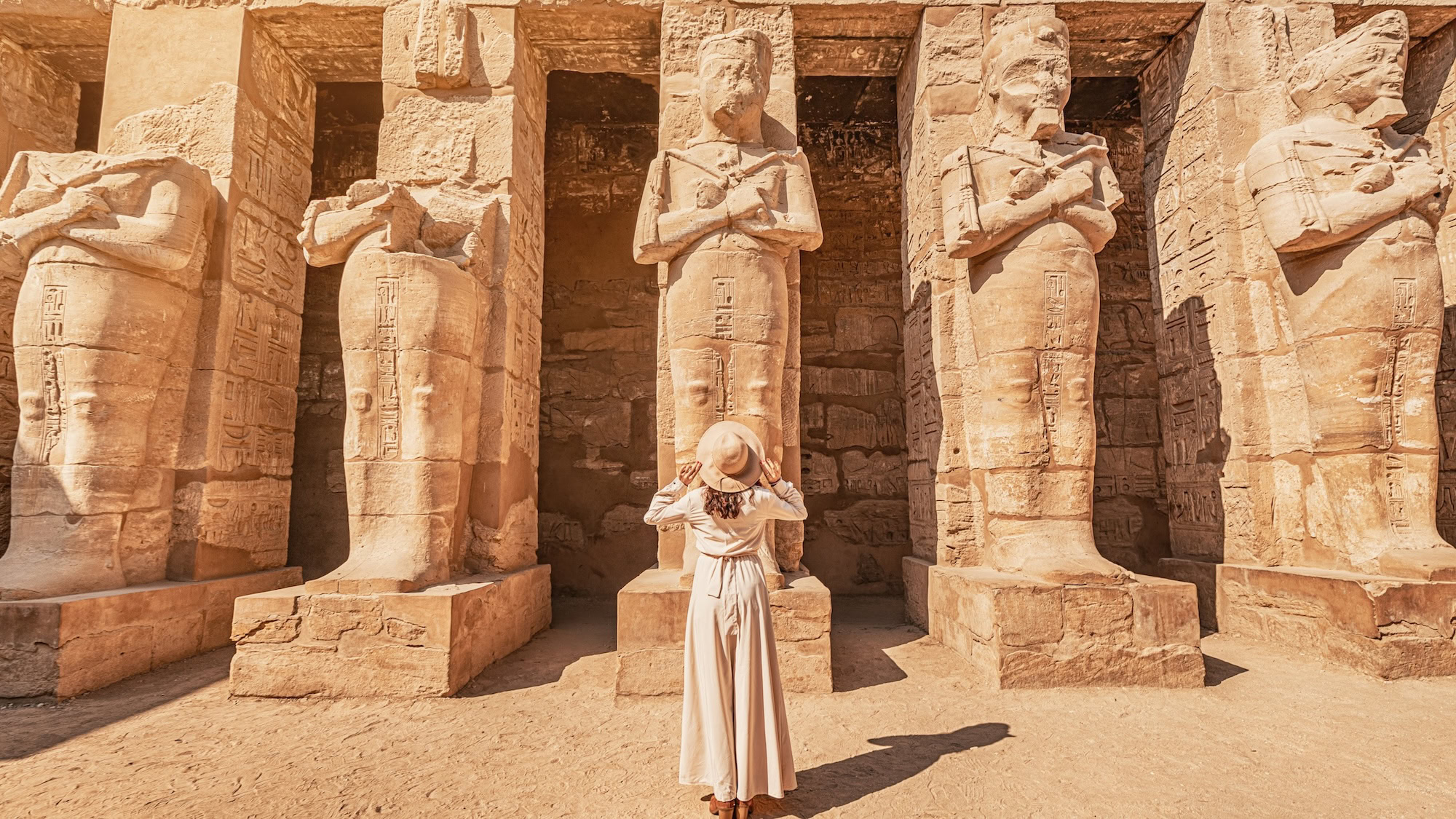
Seti I started it. Ramses II finished it – his name is everywhere to prove it. Every wall tells something: battles won, gods appeased, ceremonies performed. Walk slowly and the walls do the talking. When the light comes through the columns and hits the floor, the shadows move with it. It's the kind of thing a photo never quite captures. No cranes. No computers. No modern tools of any kind. Just human hands, stone and a level of precision that engineers still can't fully explain today.
Photographers come for the columns. Historians come for the inscriptions. Everyone else comes and stands there, not quite sure what to say. That reaction – that silence – is the point.
Discover the sacred history and importance of Karnak Temple
Karnak was never just a temple. For thousands of years it was the religious heart of an entire civilization – the place where gods were honored, kings were legitimized and the world was kept in order. Amun-Ra sat at the center of all of it. It played a significant part in religious, political and royal events held within the region. Different pharaohs each added parts to the temple complex such as temples, chapels, statues, pylons and obelisks, in devotion to the gods and as monuments of their own achievements.
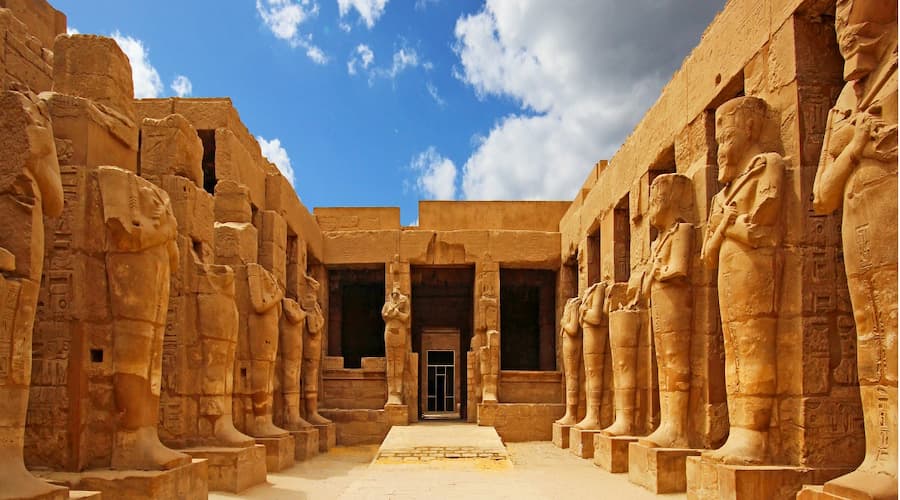
One of the most significant parts of the complex is the Avenue of Sphinxes. This is a grand ceremonial walkway with rows of sphinxes standing sentry at either side, connecting Karnak Temple to Luxor Temple. The Sphinx Avenue was used as part of a processional walk to connect the two temples during the sacred Opet Festival (one of the most important religious festivals of the year in Ancient Egypt). Statues of the Gods were taken along the avenue during the celebrations in grand processions between Karnak Temple and Luxor Temple.
Visitors can also admire the Sacred Lake where priests used to perform ritual cleansing and bathing. Alongside the Sacred Lake stands the mighty Obelisk of Hatshepsut; the tallest obelisk in Egypt. There is a secret within every inch of this impressive temple, with everything from royal insignias and battle scenes to religious symbols and stories of worship etched into the temple's walls and structure.
The temple walls essentially became historical records where important aspects of Ancient Egyptian life were permanently preserved forever. Hiring a guide to walk through Karnak will be an invaluable opportunity, as they will be able to inform you about the meaning behind all of the hieroglyphics and stories of legendary pharaohs and powerful gods.
Witness the enchanting Karnak sound and light show
Although breathtaking in the day time, Karnak Temple becomes even more magical after nightfall when the spectacular Sound and Light Show brings this ancient wonder to life. The impressive nighttime event uses a combination of light, music and narrative to tell the tale of Karnak Temple and the powerful civilization it represents.
As guests take a wander through the ruins after dark they will hear about the achievements of pharaohs, how the temple was built and the role it played in Ancient Egyptian culture. The dazzling colored lights showcase the majestic pillars, columns and carvings, creating an atmosphere that is impossible to describe. Reflected across the Sacred Lake the colors are given a spectral glow which adds to the mystery and beauty of the experience. The Karnak Sound and Light Show is an incredibly unique night time attraction in Luxor. For people looking to experience a wonder of Ancient Egypt, families, couples, and history buffs will be delighted with this enthralling, moving and informative show.
Why the Karnak Temple Complex is one of the best places to visit in Egypt
Karnak Temple Complex is more than just an archaeological site, it is one of the ultimate displays of Ancient Egyptian greatness, architectural genius and spiritual might. This outstanding feat of engineering and construction covers thousands of square feet and the sheer scale of it is enough to take your breath away. Historians and architects have studied it since its discovery; it is now one of the most popular tourist attractions in Egypt and the site attracts travelers from all corners of the globe to see the ingenuity of one of history’s most compelling civilizations.
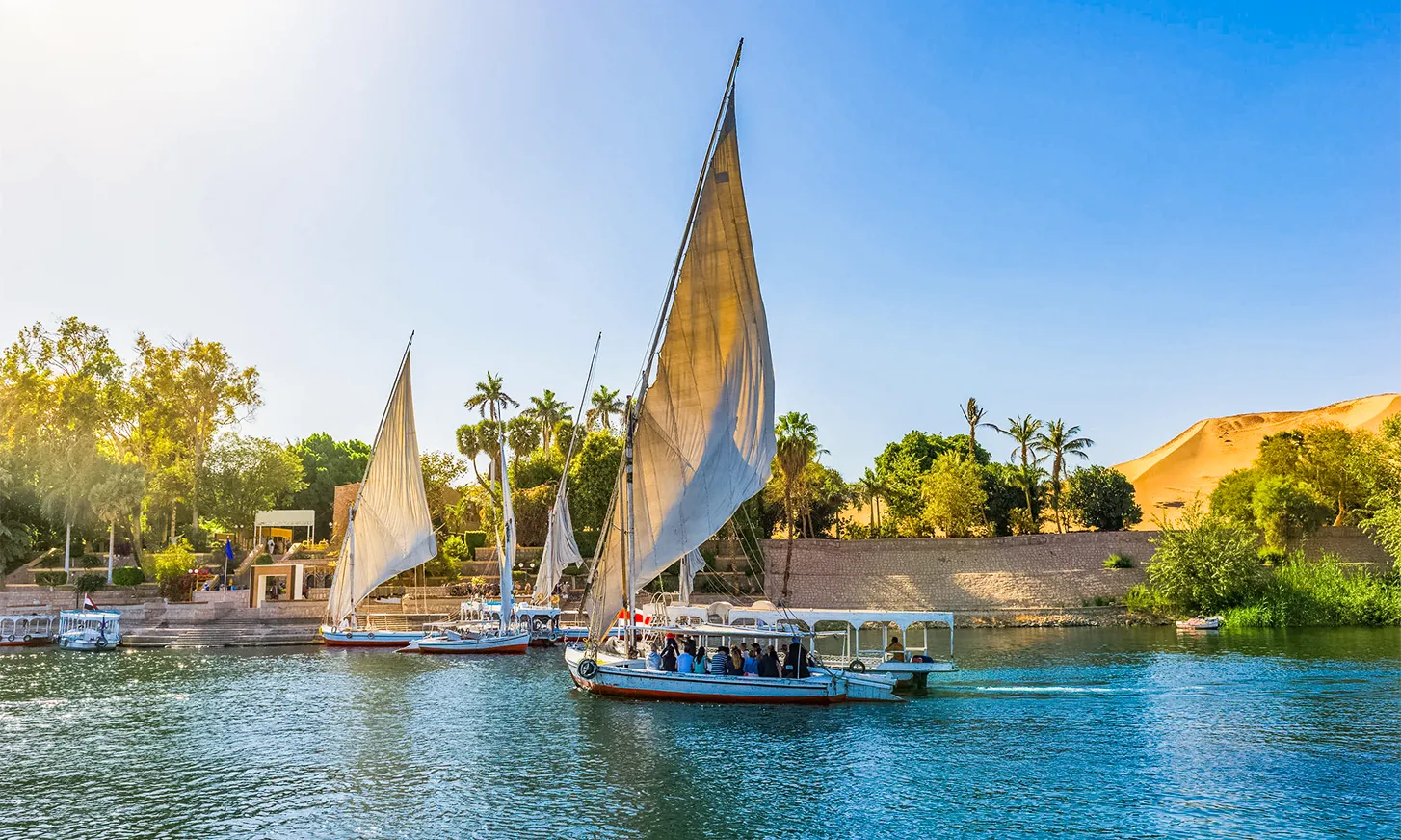
Many tourists also combine their visit to Karnak with other key attractions in Luxor including the Valley of the Kings, Temple of Hatshepsut, the Colossi of Memnon, and Nile River Cruises to provide them with the ultimate tour of Ancient Egypt. From visiting tombs to sailing on the Nile, a trip to Luxor is a step back in time at every point, and the Karnak Temple Complex epitomizes this more than any other attraction. For people who Google "best temples in Egypt", "top Luxor attractions", "Ancient Egyptian landmarks" and "historical sites to visit in Egypt", the Karnak Temple Complex should always be at the top of their lists.
This temple really captures what Ancient Egypt was all about; a civilization, which for millennia continued to innovate, create and worship. A walk through Karnak is one that you will never forget; from the majestic pillars to the solemn sanctuaries and of course the enthralling Son and Light Show.