East Bank Luxor
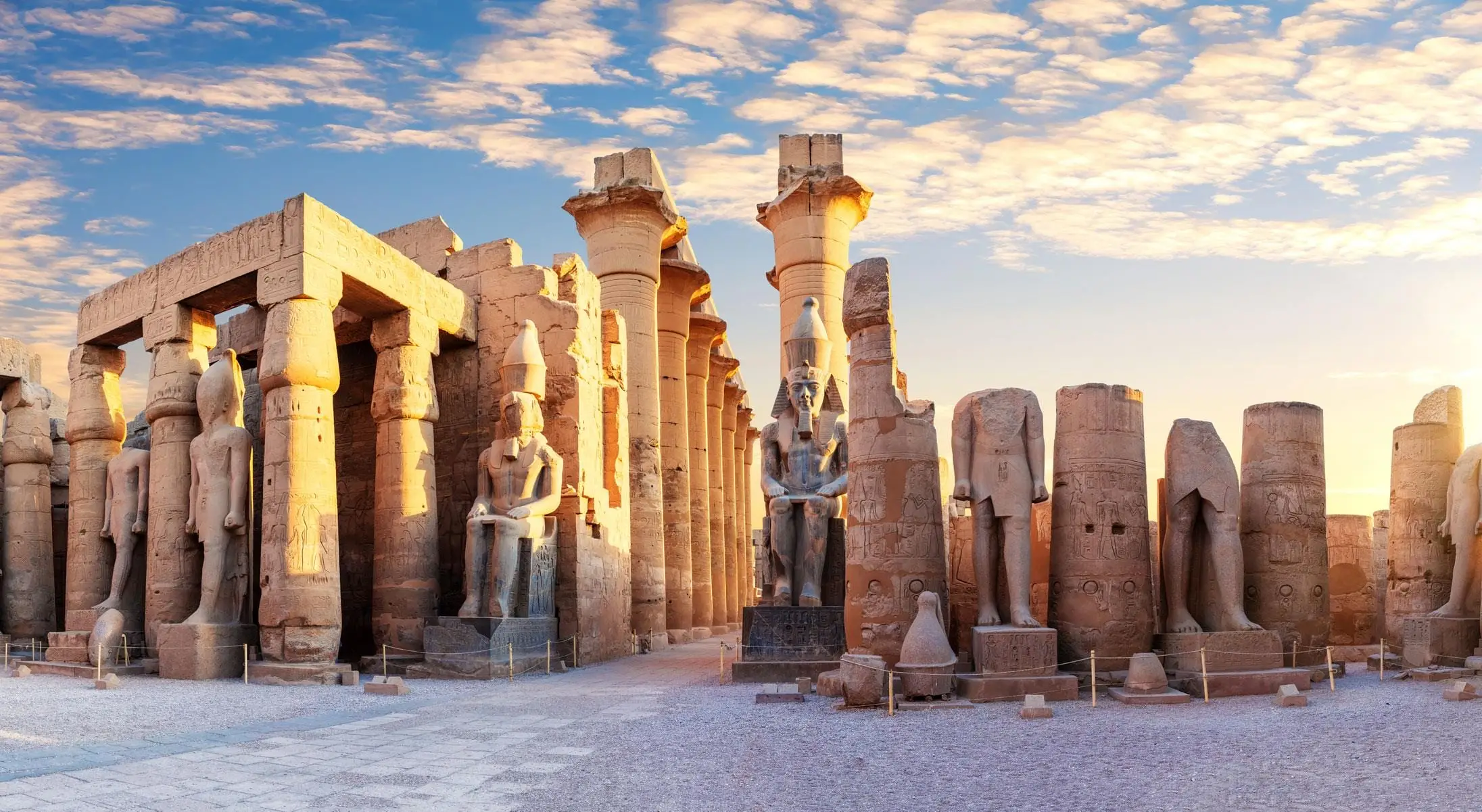
Luxor is often talked about as the world's best open-air museum, and nowhere is that feeling more real than on the East Bank of Luxor. Like, NOWHERE. Here, where the Nile flows steadily and brightly, you can really see why people say it's like walking inside history. Except... you're not walking inside a building. You're walking inside actual history. thousands of years of it. just... there. in front of you. wild.
The East Bank is home to some of Egypt's most well-known monuments, and it gives visitors this kind of winding, almost hard-to-stop journey through history, culture and architecture. From huge temples to lively streets hugging the River Nile, this side of the city seems to be the heartbeat both for ancient times AND for modern Luxor right now. It's alive. Like, genuinely alive. not some dusty museum where everything's behind glass.
If you're considering an Egypt day tour or maybe a longer stay in Upper Egypt, exploring the East Bank should be right at the top of your plan. Like, immediately. This area once belonged to Ancient Thebes—the capital of Egypt in the New Kingdom—and even now it still counts as one of the most visited places in the country. People don't just come here to check a box. They come here because it hits different. because standing in front of Karnak Temple at sunrise? That moment changes you. i'm not being dramatic. okay maybe a little. but it's TRUE.
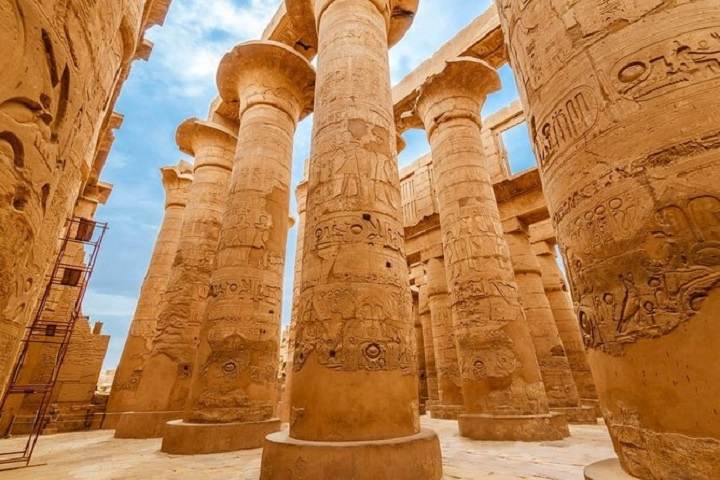
Look. I've been to a lot of historical sites. A LOT. And most of them? you walk around, you read a plaque, you take a photo, you leave. The East Bank is NOT that. You stand under those massive columns at Karnak and you feel tiny. Genuinely tiny. Those pillars are so huge you could fit like, three cars stacked on top of each other inside one of them. (i made that up but you get the point.) And the hieroglyphs? They're not just pretty pictures. They're stories. Actual stories carved into stone thousands of years ago. and you're standing there reading them. well, trying to. unless you actually read hieroglyphs. in which case, respect.
Now. if you're the type who usually books Egypt travel packages that pack in pyramids, temples, and museums... i get it. Those are incredible. But after a few days of ancient ruins under the Egyptian sun? your feet are screaming. Your brain is full of pharaohs. You need something that feels different. The East Bank gives you that. It's not just "another temple." It's THE temple complex. Karnak is the largest religious site ever built. EVER. Let that sink in. people built this thing over 2,000 years. multiple pharaohs. generations of workers. and it just... keeps going. you turn a corner and there's MORE. always more.
And then there's Luxor Temple. which is completely different vibe. Built by Amenhotep III and Ramesses II, this thing sits right in the middle of the city. Like, you could be buying a juice from a street vendor and BAM—there's a 3,000-year-old temple. no big deal. just ancient Egypt chilling next to your mango smoothie. The avenue of sphinxes connecting it to Karnak? unreal. especially at night. when they light it up? forget about it. you will take approximately 400 photos and none of them will do it justice. trust me.
If you're building out a tailor-made trip or browsing Egypt culture tours, do NOT sleep on the East Bank. Pair it with a Luxor day tour if you want the full guided experience, or just wander on your own if you're feeling brave. Either way, this area works for everyone. Families on an Egypt family tour. Couples on a luxury Egypt holiday. Solo travelers who just want to stand somewhere ancient and feel small for a while. everyone.
i've talked to people who've done the Nile cruises between Luxor and Aswan, the classic Egypt tours, the whole nine yards. And they loved those too. But the East Bank? it's different. It's for the people who want to feel the weight of history without hiking through a desert to do it. You can literally sit at a café by the Nile, drink some tea, and look across the river at the West Bank where the Valley of the Kings sits. and then turn around and there's Luxor Temple. like... how is this even a real city?
So. Bottom line? You want history. You want culture. You want to walk through streets where ancient Egyptians walked, where pharaohs celebrated festivals, where priests performed rituals that shaped an entire civilization. The East Bank delivers. ALL of it. Whether you're doing a quick 7-day culture tour or an 8-day luxury Nile cruise, don't rush this part. Take your time. Let it sink in. You won't regret taking a breather to just... stand there and absorb it. Seriously. you really won't.
Why Visit the East Bank of Luxor?
The East Bank Egypt experience offers this weird mix of history, culture, and convenience—all in one place. Compared with the West Bank, which people usually connect with royal tombs and funerary temples, the East Bank was more tied to everyday life and religious ceremonies. The ancient Egyptians, they believed the rising sun was a symbol of life and rebirth. So in Ancient Thebes, this side of the Nile became THE center of activity. Like, the actual center. everything happened here.
Right now, the East Bank is still the heartbeat of Luxor. Most hotels, restaurants, markets, basically all the tourist facilities are here. So it works really well as a starting point for visitors. You can reach the well-known monuments without much hassle and still enjoy the lively vibe of the city. Plus, there are stunning Nile views, little local cafés, traditional markets where you can get a real sense of Egyptian culture. Not the fake stuff. the real stuff.
If you're looking for a complete Luxor Travel Guide, the East Bank feels like a strong beginning. An easy first step into Egypt's ancient heritage. Whether you care about archaeology, you're into photography, or you just want to understand more about one of the world's greatest civilizations, this part of Luxor tends to deliver memories you don't easily forget. A lot of travelers start their Luxor day tour here, then go on to other nearby sights. So yeah, it becomes an essential stop on almost any Egypt day tour. Like, almost mandatory.
And honestly? After you've been walking through temples for days, having everything in one area is a blessing. Your feet will thank you. Trust me.
Top Attractions on Luxor's East Bank
The Luxor East Bank attractions are, honestly, some of the most remarkable historical sights in Egypt. Drawing visitors from all over. Since it was basically the heart of Ancient Thebes, the East Bank has a bunch of temples, monuments, small museums—it feels like you're walking straight through Egypt's past in a way that's hard to forget. Like, genuinely hard. your brain doesn't know what to do with this much history.
Karnak Temple
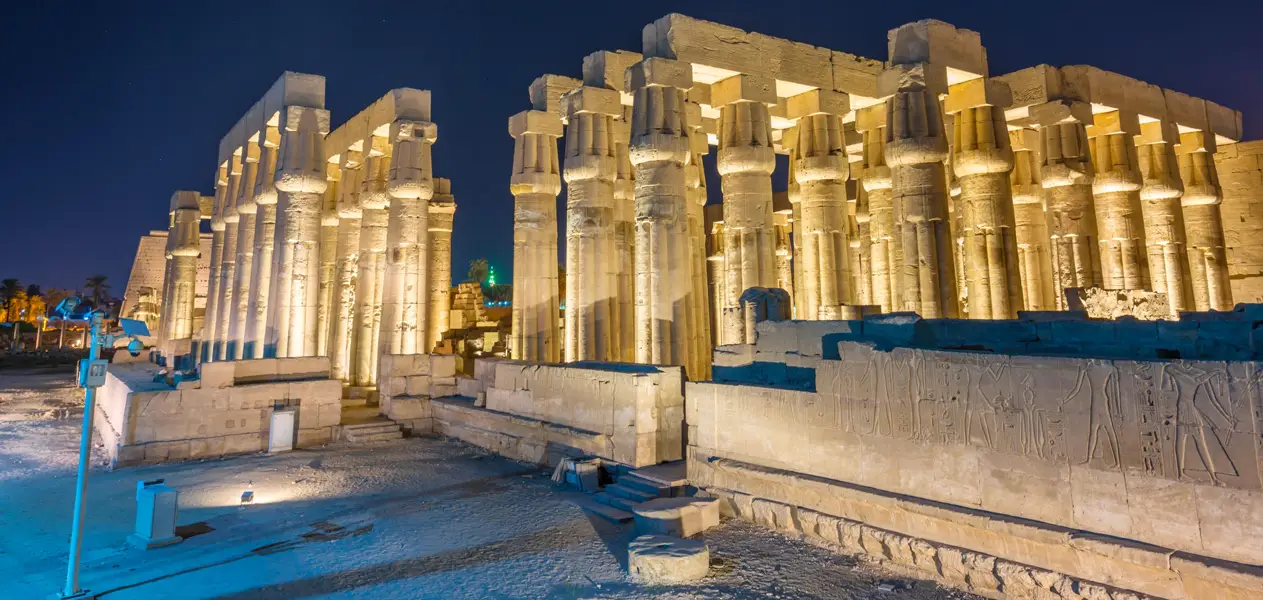
Karnak Temple is the legendary religious complex. The biggest one ever built in ancient Egypt. EVER. It was shaped over more than 2,000 years, and it still manages to look unreal. Huge columns. Massive obelisks. Sacred ponds. Detailed carvings that point to how powerfully the pharaohs influenced everything. Going through the Great Hypostyle Hall is one of those moments where you kind of stop. Just because it's too much to take in. Like, your brain literally can't process it all at once. Those 134 columns? Each one is massive. You feel tiny. Genuinely tiny.
If you're booking an Egypt culture tour, Karnak is usually the highlight. And for good reason. People built this thing over 2,000 years. Multiple pharaohs. Generations. And it just... keeps going. You turn a corner and there's MORE. Always more.
Luxor Temple
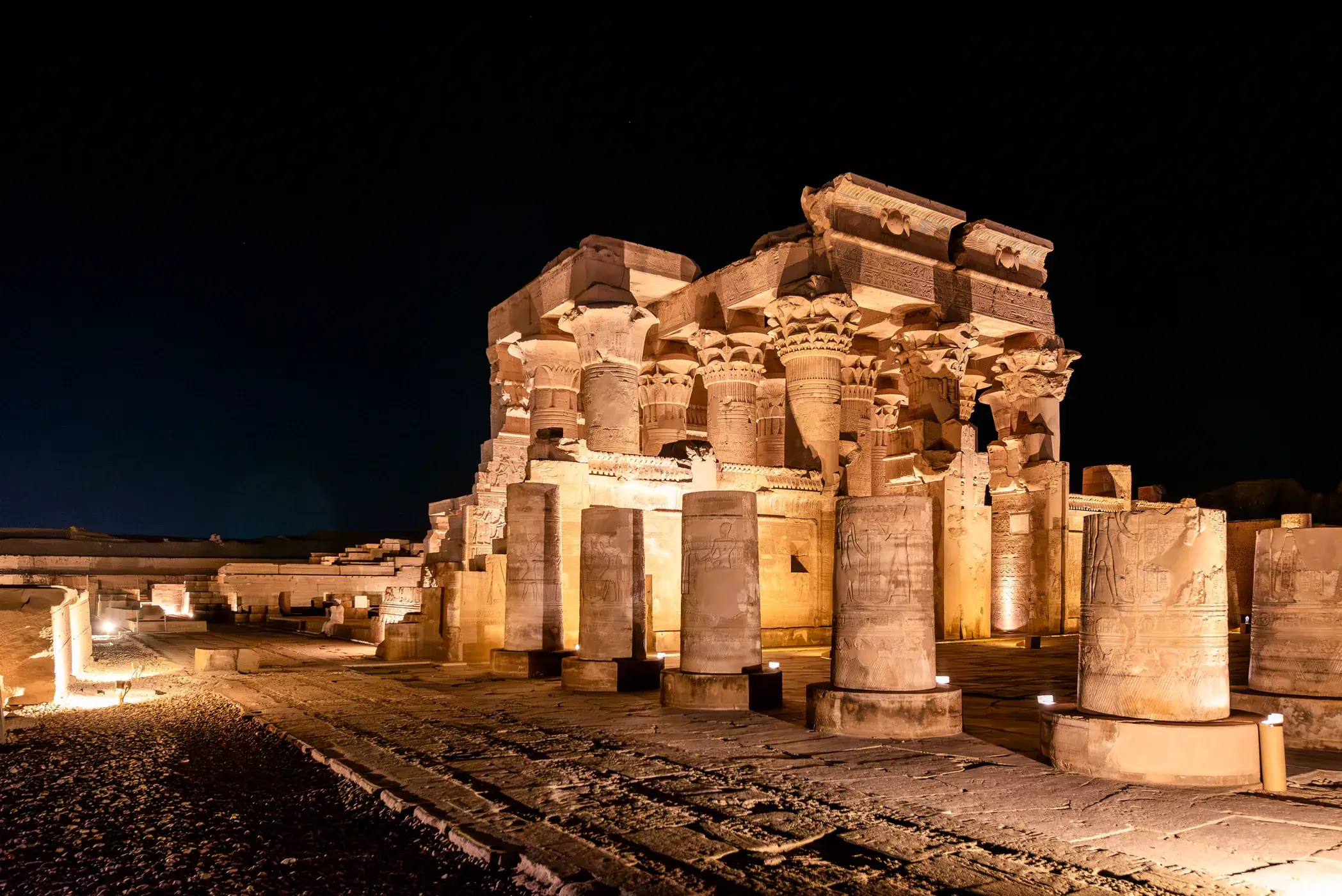
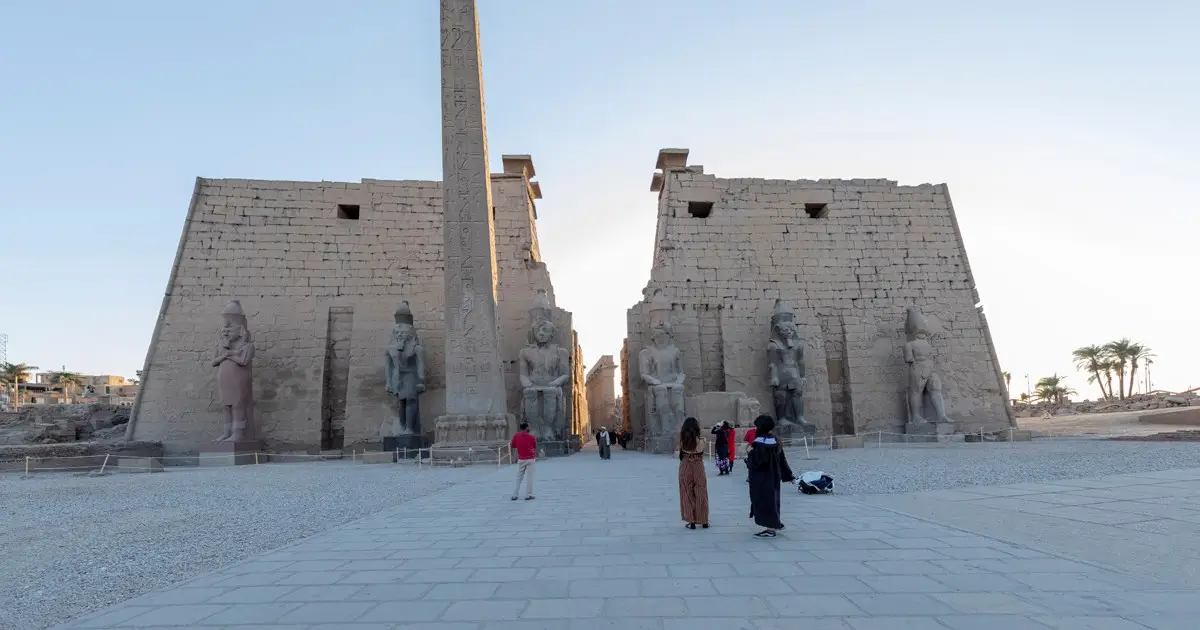
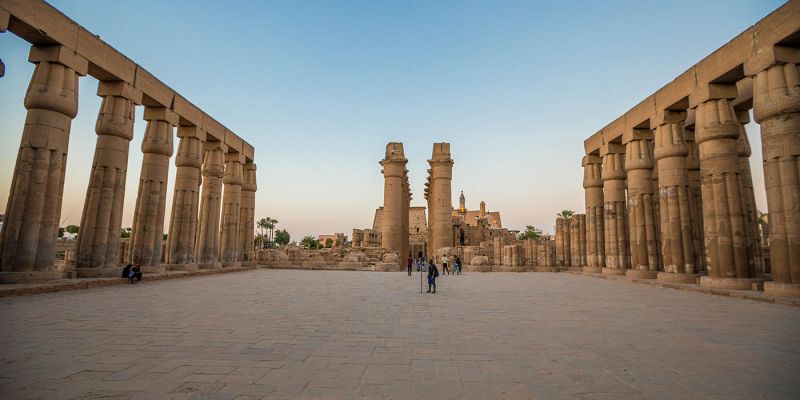
Luxor Temple sits right in the middle of the city. Widely known as one of Egypt's best-preserved temples. Instead of being only about one god, it also had this important function in royal rituals and the renewal of kingship. The bold entrance, colossal statues, that nighttime glow—it's one of the most photographed spots on the East Bank. Especially when the lights start coming on. You could be buying a juice from a street vendor and BAM—there's a 3,000-year-old temple. No big deal. Just ancient Egypt chilling next to your mango smoothie.
Avenue of Sphinxes
The Avenue of Sphinxes links Karnak Temple with Luxor Temple. Basically an ancient ceremonial pathway packed with hundreds of sphinxes. This route once supported major religious parades and festivals. So guests can walk along a road that ancient Egyptians used thousands of years ago. It's like following a timeline you can actually feel with your feet. Wild.
Luxor Museum
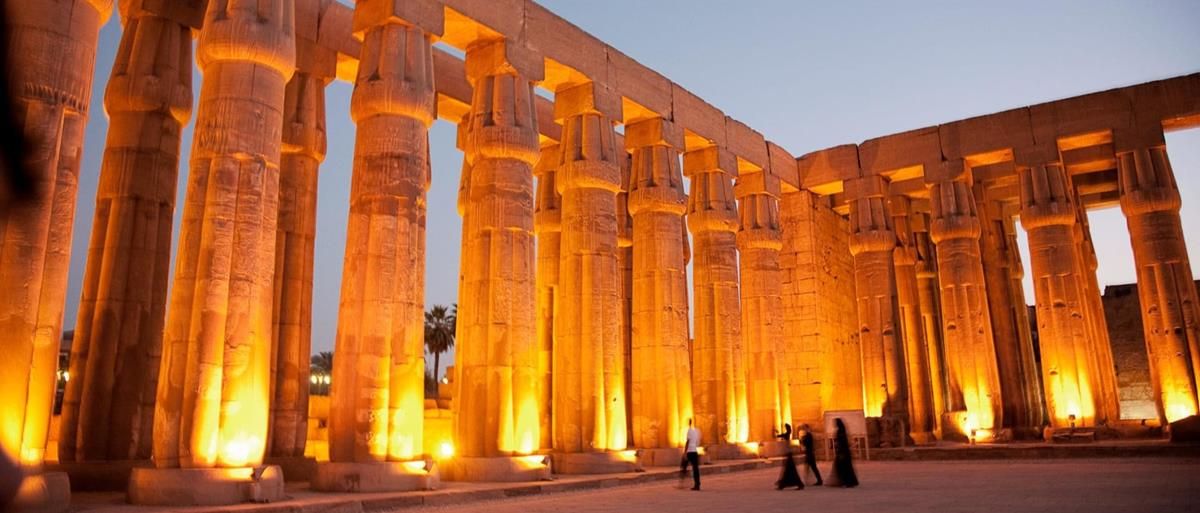
If you're into archaeology and you enjoy seeing artifacts up close, the Luxor Museum is a stop you should not skip. Holds an impressive lineup of statues, jewelry, royal belongings, discoveries from the Theban area. The exhibits are thoughtfully arranged, so you get a real perspective on the past. Rather than just random objects in rooms. Which, let's be honest, some museums feel like. Not this one.
Best Things to Do on the East Bank of Luxor
Beyond the well-known temples and big monuments, East Bank Luxor has this steady stream of activities that let you feel the city's culture, scenery, and kind of unique mood. If you are only there for a day, or you plan something longer, these are some of the top things to do in Luxor that people keep talking about.
Take a Felucca Ride on the Nile
A classic felucca trip is, honestly, one of the most calming ways to enjoy Luxor. Glide along the Nile, look at the wide river views, catch the sunset while the city and surrounding landscapes sort of wake up. It's peaceful. Like, genuinely peaceful. And if you're doing a Luxor to Aswan Nile cruise, this is a nice taste of what river life feels like. Before you commit to the full multi-day thing.
Try a Hot Air Balloon Ride
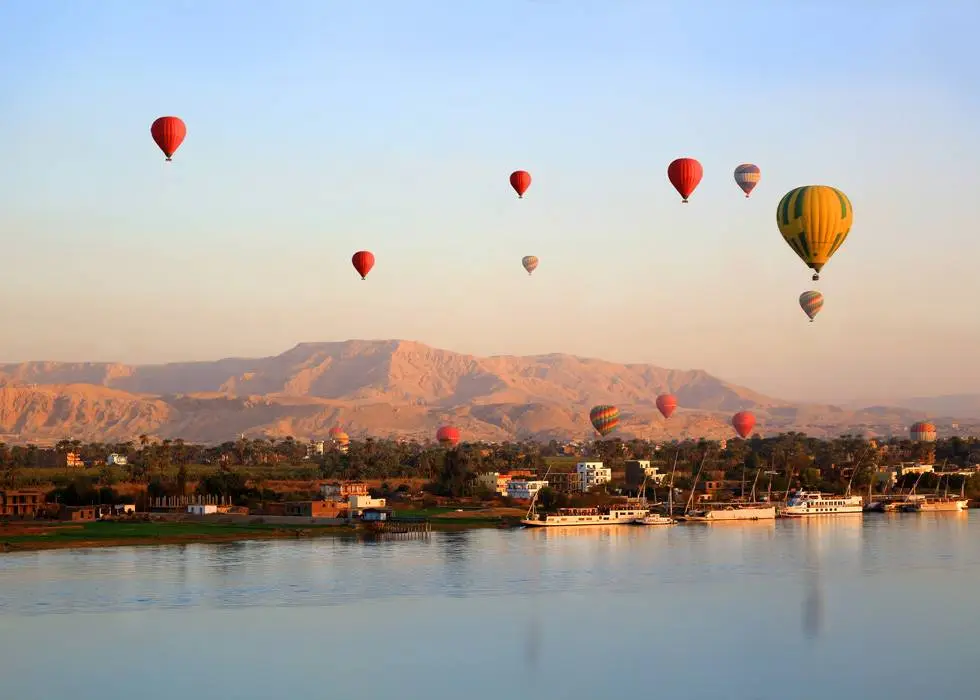
If you want something that feels unreal, go for a hot air balloon ride at sunrise. When you're floating above Luxor, you get mind-blowing views of the Nile Valley, ancient monuments, green farmland, that stretched desert horizon. It ends up being one of the most loved activities around here. I've talked to people who've done the classic Egypt tours, the luxury Nile cruises, the whole nine yards. And they all say the balloon ride was the thing they still dream about. Like, actually dream about.
Wander Through Luxor's Local Markets
Step into the lively energy of Luxor's traditional bazaars and everyday markets. Visitors usually browse handmade souvenirs, spices, jewelry, clothing, real Egyptian handicrafts while chatting with the vendors. It's a very simple but very engaging way to understand the city better. And honestly? The haggling is half the fun. Don't let them charge you tourist prices. Stand your ground. (But be nice about it.)
Ride a Horse Carriage Through the City
Horse-drawn carriage rides are a classic choice for exploring Luxor's streets. Pleasant activity that helps you notice local neighborhoods, historical spots, the city's lively rhythm from a different angle. Not just from a bus window or on foot. It's touristy, sure. But it's also genuinely charming. Especially at night when everything's lit up.
Watch the Sound and Light Show at Karnak Temple
You can see history in a different style with the Sound and Light Show at Karnak Temple. The dramatic storytelling, the music, the way the monuments light up—it feels like an evening you'll remember long after. Is it a little cheesy? Maybe. But it's the GOOD kind of cheesy. The kind that gives you chills when they illuminate those columns and tell the stories of pharaohs who built this place thousands of years ago.
Relax Along the Nile Corniche
Take your time with a walk on the Nile Corniche. Enjoy the river views, pause at nearby cafés, or just sit and unwind while watching traditional boats drift past. It's simple. But sometimes simple is exactly what you need after a day of temples. Grab some tea. Watch the sun go down. Let your brain rest. It's been through a lot.
How to plan your East Bank Luxor tour
So. Planning can really help you get the most out of East Bank Luxor, even if it's just a quick trip. Like, a little prep here and there can make the whole day feel smoother. And honestly? More memorable. You know, from picking the right season to building a sightseeing plan that doesn't waste time.
Pick the Best Time to Go
If you want the easiest weather for East Bank Egypt, try aiming for October through April. The temperatures stay cooler, and it feels way more comfortable for walking around outdoors. Going early in the morning is also a great move, because you can see the key spots before the crowds fully show up. And before the midday heat gets intense. Like, seriously intense. Luxor in August? No thank you.
Keep to a Simple Itinerary
Most Luxor day tours start with Karnak Temple, then you head to Luxor Temple, then the Avenue of Sphinxes, and after that, the Luxor Museum. This path pretty much covers the major landmarks on the East Bank, giving you a full picture of the history of Ancient Thebes. It's not just "where to go"; it also helps you understand how all the sites connect, step by step. Which, honestly? Makes the whole experience way richer.
Mix East and West Bank Attractions
If you're after a more complete Egypt day tour experience, blending East Bank locations with the well-known West Bank highlights is a smart idea. Many travelers add the Valley of the Kings, the Temple of Hatshepsut, and the Colossi of Memnon. That mix gives a richer view. Like, a deeper sense of Luxor's ancient heritage, and why the whole area matters historically. If you're doing an 8-day Cairo, Luxor & Aswan tour or a Dahabiya Nile cruise, this mix is usually built right in. Which is nice. Less thinking for you.
Helpful Travel Tips
For a comfortable visit, wear lightweight clothing, bring comfy walking shoes, and make sure you carry plenty of water. And yes, consider hiring an experienced local guide. Because the context they share adds a lot. Plus they usually have interesting little stories about the monuments that you won't find on a plaque. With East Bank Luxor being the cultural hub of the region, you'll find plenty to explore. And you can take home real memories from the legacy of Ancient Thebes.
If you're building out a tailor-made trip or browsing Egypt travel packages, do NOT sleep on this area. Whether you're dragging the family on an Egypt family tour, living large on a luxury Egypt holiday, or just doing a quick 7-day culture tour, the East Bank delivers. All of it. History, culture, convenience, and views that'll make your camera overheat. Seriously.