Byblos Lebanon Travel Guide
Why Is Byblos Lebanon Famous and Worth Visiting?
Byblos Lebanon is famous for its ancient Phoenician history, archaeological heritage, Crusader Castle, traditional Old Souk, and historic Mediterranean harbor. The city played an important role in ancient Mediterranean trade and maintained strong commercial connections with civilizations such as ancient Egypt.
One of its most significant historical contributions is its association with the development and spread of the Phoenician alphabet, which influenced the evolution of writing systems.
Today, Byblos offers visitors a rare opportunity to experience different historical periods within one destination.
Here is what makes the city worth visiting:
Ancient Phoenician heritage: Discover the history of one of the most important cities of ancient Phoenicia.
UNESCO recognition: Explore a destination internationally recognized for its outstanding cultural and historical importance.
Medieval architecture: Admire historic fortifications and the impressive Crusader Castle.
Traditional Lebanese culture: Experience local shops, cafés, and the charming atmosphere of the old town.
Mediterranean scenery: Enjoy coastal views and the relaxed atmosphere of the historic harbor.
For travelers looking beyond the usual attractions of Beirut, Byblos is an excellent destination to discover Lebanon's history and cultural identity.
What Are the Best Things to Do in Byblos Lebanon?
There are plenty of things to do in Byblos Lebanon whether you enjoy exploring ancient ruins, discovering traditional neighborhoods, or spending time beside the Mediterranean Sea.
The city's main attractions are relatively close to one another, making it easy to explore several landmarks during a half-day or full-day visit.
Explore the Byblos Archaeological Site
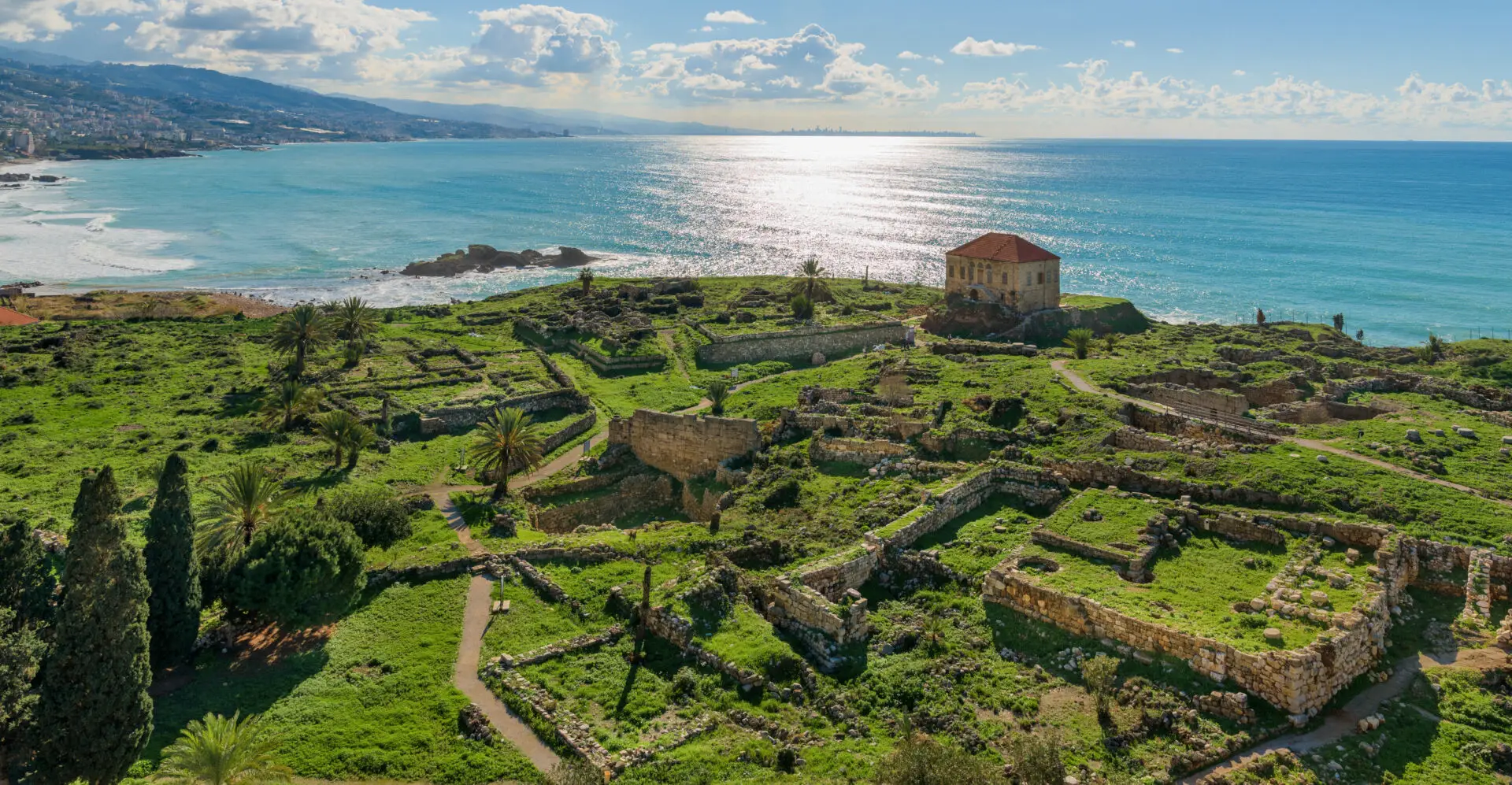
The Byblos Archaeological Site is the city's most important historical attraction and one of the essential stops for anyone interested in ancient civilizations.
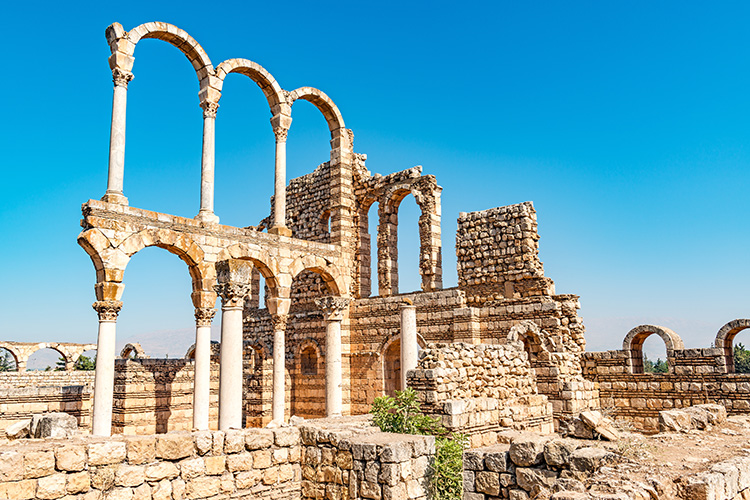
The archaeological area contains remains from different periods, including ancient temples, burial structures, residential foundations, and historical fortifications.
Walking through the site provides a fascinating look at how Byblos developed into an important Phoenician trading center and how different civilizations influenced its history.
Visitors interested in archaeology and ancient Mediterranean culture should make this landmark a priority during their visit.
Visit Byblos Castle Lebanon
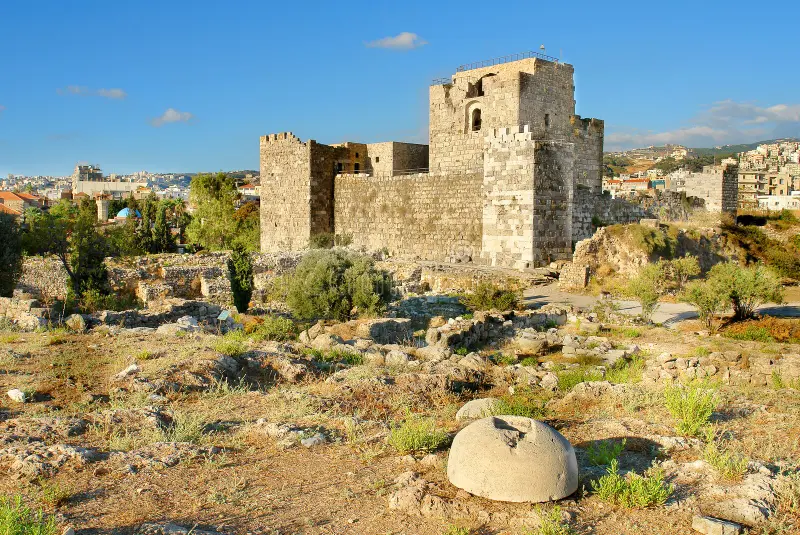
Byblos Castle Lebanon, also known as the Crusader Castle, is one of the most recognizable landmarks in the historic center.
Built during the medieval period, the castle reflects the city's strategic importance during the Crusader era.
Its impressive stone walls and historic architecture offer visitors an opportunity to discover another important chapter in Byblos's past.
Located beside the archaeological site, it is easy to combine both attractions during the same stop.
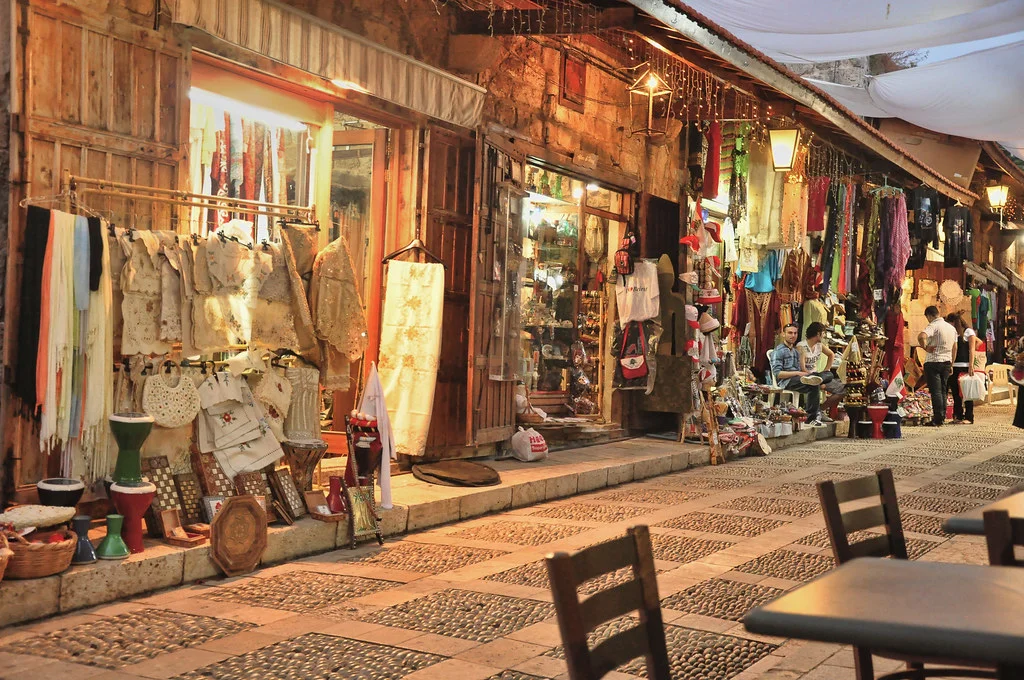
Discover Byblos Old Souk
Byblos Old Souk is one of the most charming places to experience the local atmosphere.
Its narrow stone-paved streets are lined with traditional buildings, small boutiques, souvenir shops, and welcoming cafés.
Visitors can browse local handicrafts, discover Lebanese products, enjoy a coffee, and take photographs of the historic surroundings.
The Old Souk is particularly enjoyable for travelers who want to experience the cultural character of Byblos beyond its archaeological landmarks.
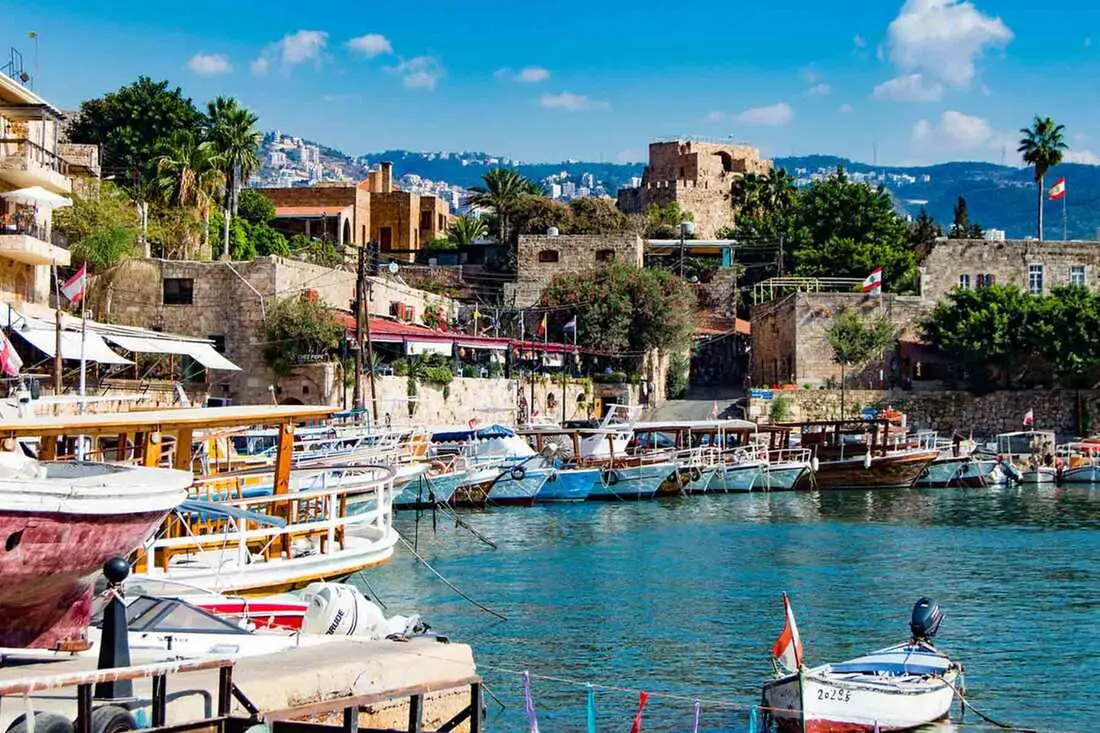
Enjoy the Scenery at Byblos Old Harbor
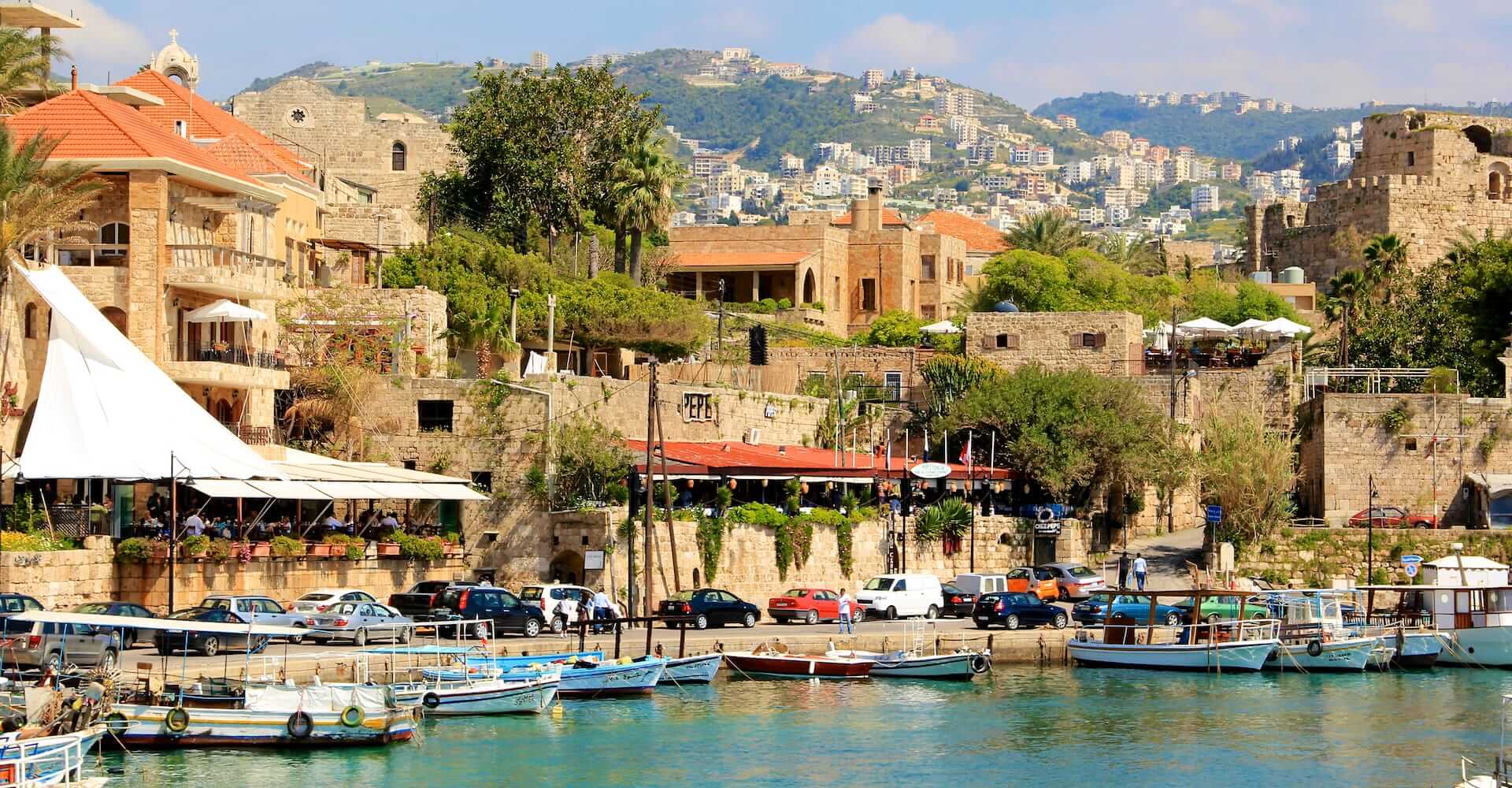
The Byblos Old Harbor is a beautiful waterfront area that reflects the city's long maritime history.
Byblos was historically an important Phoenician trading port, connecting the city with other destinations across the Mediterranean.
Today, the harbor offers a relaxing atmosphere with traditional boats, coastal views, and nearby cafés and restaurants.
It is an ideal place to enjoy the sea breeze, take photographs, and appreciate the city's Mediterranean character.
Visit Saint John-Marc Church
Saint John-Marc Church is another notable landmark in the historic center of Byblos.
The church reflects the city's religious and architectural heritage, with traditional stone construction and a peaceful atmosphere.
It is worth including in a walking tour, especially for visitors interested in the cultural diversity and historical architecture of Lebanon.
What Is the Best Time to Visit Byblos Lebanon?
The best time to visit Byblos Lebanon is generally during spring and autumn, when pleasant temperatures make it easier to explore the city's historical landmarks, traditional streets, and beautiful Mediterranean coastline. Located north of Beirut, Byblos (Jbeil) offers different experiences throughout the year, making it an attractive destination for cultural travelers and visitors exploring Lebanon.
During spring, from March to May, the weather is usually comfortable for walking around the Byblos Archaeological Site, discovering the historic Crusader Castle, and exploring the charming streets of Byblos Old Souk. Summer, from June to August, is popular among visitors who enjoy warm weather, outdoor dining, and relaxing along the coast. It is also a lively period for experiencing the city's restaurants and waterfront atmosphere.
Autumn, from September to November, offers another pleasant opportunity to discover the main Byblos tourist attractions without the warmer summer temperatures. Winter is generally quieter, making it suitable for travelers interested in history and cultural sightseeing, although rain and cooler conditions are possible.
Regardless of the season, visiting Byblos Lebanon allows you to combine ancient history, traditional Lebanese culture, and Mediterranean scenery. If you are planning a wider itinerary, including Byblos in your Lebanon Travel Guide is a great way to discover one of the country's most remarkable coastal destinations.
How Far Is Byblos from Beirut and How Can You Get There?
Byblos is approximately 40 km north of Beirut, making it an accessible destination for travelers staying in Lebanon's capital. The journey usually takes around 40–60 minutes by car, depending on traffic and road conditions. Its convenient location makes a Byblos day trip from Beirut an excellent option for visitors who want to explore Lebanon's history and northern coastline without changing hotels.
There are several ways to reach Byblos. Travelers can use private cars, taxis, or organized transportation. Private transportation is particularly convenient for visitors who want to explore several attractions during the same trip, including the archaeological site, Byblos Castle Lebanon, the Old Souk, and the historic harbor.
For a more complete sightseeing experience, you can also combine Byblos with nearby Batroun. Both destinations offer different experiences, from ancient Phoenician heritage and medieval architecture to charming coastal streets and Mediterranean views.
With Aten Tours, travelers can explore Byblos through organized Lebanon Day Tours designed to make discovering the country's historical and cultural destinations more convenient. A private excursion from Beirut can include time to explore the main landmarks and enjoy the local atmosphere at a comfortable pace.
Whether you are interested in history, architecture, or coastal scenery, adding Byblos Lebanon, to your travel itinerary is an excellent way to discover another side of Lebanon.