Explore Tripoli Citadel Lebanon: A Historic Landmark
Where Is Tripoli Citadel Located and Why Is It Worth Visiting?
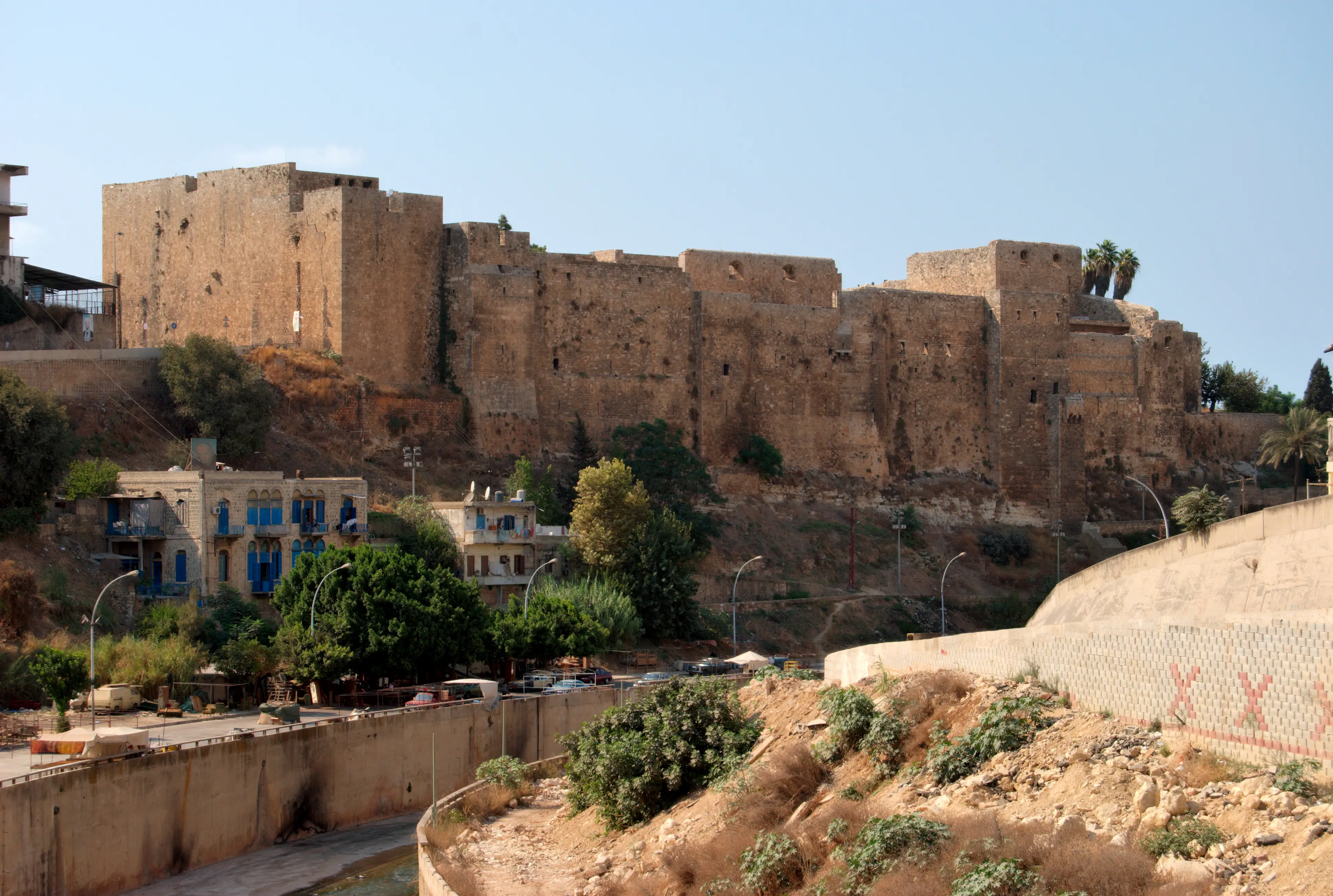
Tripoli Citadel Lebanon is situated on a hill that looks over the city of Tripoli in northern Lebanon. Also known as the Citadel of Raymond de Saint-Gilles Tripoli Citadel offers visitors a chance to learn about the region’s heritage and to see why the city is historically important. Tripoli Citadel’s high position lets visitors see the neighborhoods and the surrounding urban landscape.
Tripoli Citadel is worth visiting for travelers who enjoy architecture, military history and cultural attractions. Tripoli Citadel’s location also allows travelers to combine the visit with a walk through Tripoli’s streets, where traditional markets, old buildings and local landmarks show another side of the city.
For travelers using a Lebanon Travel Guide to plan their itinerary Tripoli Citadel is a starting point for discovering northern Lebanon. Tripoli Citadel offers more than a sightseeing stop letting visitors connect the city’s surviving architecture with its historical development. Exploring Tripoli Citadel also adds a dimension to Lebanon Day Tours especially for those who want destinations beyond Beirut.
The History of Tripoli Citadel and Its Medieval Heritage
The Tripoli Citadel History begins with the Crusader period, a time when control over Lebanon shifted frequently. The fortress is traditionally linked to Raymond de Saint-Gilles, a leader during the First Crusade. He built a military base on the site in the early 1100s as he fought to take control of Tripoli. The location on a hill made it ideal for defense and for watching the surrounding lands.
After the fall of Tripoli to the Mamluks in 1289 the citadel changed. The new rulers made improvements and adapted the structure to meet their needs. Later during the Ottoman era further changes were made. These rulers used the site differently. Added their own touches to the building. Each rule left behind marks in the form of walls, towers and other structures.
The Tripoli Citadel is not a monument from a single period. It shows how the city changed as different rulers were in power. The way it was built the stone walls and the way the inside was arranged show the political needs of each time. These parts of the castle help us see how important Tripoli was in the world.
Today the Tripoli Citadel remains a historical landmark. It offers a window into the past. For anyone studying the history of Tripoli or the wider history of Lebanon and the eastern Mediterranean the citadel tells a story of power, conflict and endurance.
Architecture and Highlights Inside the Citadel
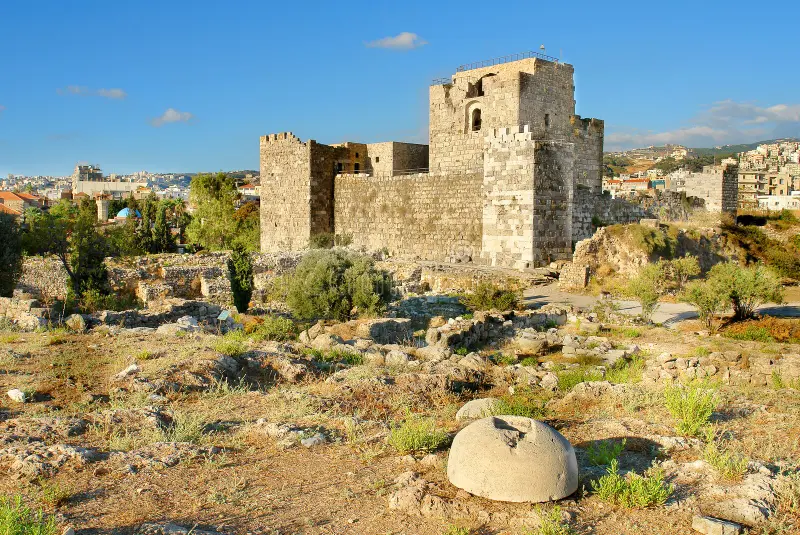
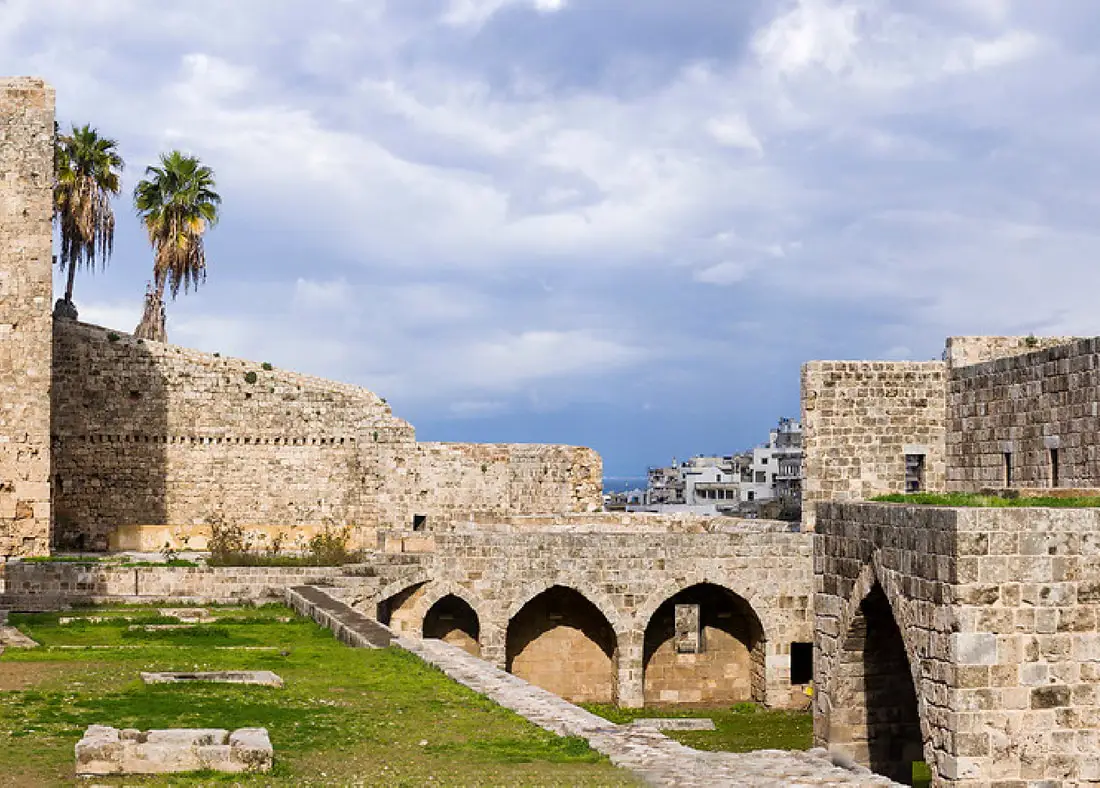
The Citadel of Raymond de Saint-Gilles is known for its stone construction and defensive design. The walls, towers, gateways and inside areas show the needs of a fortress built to protect a place that was very important. The building also shows how different rulers changed its look and shape over time.
As people walk through the site they can see how thick the walls are and how the different parts of the building are set up. These parts help explain how the fortress was built to offer safety and control over the land around it. The mix of parts and new changes makes the citadel very interesting for people who like old buildings and history.
Another thing that stands out is its position. From spots around the fortress people can see the city of Tripoli and the areas around it. These vantage points give a way to look at how the citadel connects with the old city below.
People who like taking pictures can also enjoy the difference between the stone walls and the city around them. Spending time looking at the details of the building makes the visit more worth it.
Planning Your Visit to Tripoli Citadel
Before going to the Tripoli Citadel check the times when it's open and how much it costs to get in. Wear shoes and give yourself enough time to walk around the fortress see the old buildings and take in the views of Tripoli from the top of the hill.
After you leave the citadel you can walk around more of the city. Go through the markets of Tripoli to look at shops selling traditional items and local crafts. You can also visit old mosques and old parts of the city to learn more about the citys buildings and daily life. These places make it easy to see more of Tripoli in the day.
Spring and autumn are times to come because the weather is more comfortable. If you visit in the summer try to get early in the morning to walk around before it gets too hot.
If you want to see places in Lebanon Aten Tours can help you find available Lebanon Day Tours and plan more stops during your trip.